US Product Recalls 2026: What Consumers Need to Know

Recent updates to US product recall procedures in early 2026 significantly enhance consumer safety by streamlining reporting, improving communication, and strengthening manufacturer accountability.
Understanding the latest changes to US product recall procedures is crucial for every consumer. In early 2026, significant adjustments have been implemented to better protect you and your family, making it essential to stay informed about these new guidelines and how they impact your daily purchasing decisions.
Understanding the New Landscape of Product Recalls
The landscape of product recalls in the United States is constantly evolving, driven by technological advancements, shifts in consumer behavior, and a proactive approach by regulatory bodies. The early 2026 updates represent a concerted effort to make the recall process more efficient, transparent, and responsive to emerging threats. These changes aim to close gaps that previously allowed unsafe products to remain in circulation longer than necessary, thereby enhancing overall public safety.
This new framework emphasizes quicker identification of hazardous products and clearer communication channels to reach affected consumers promptly. It also places a greater burden on manufacturers to ensure product safety from design to market, fostering a culture of preventative measures rather than reactive responses. Consumers are now empowered with more tools and information to identify and act upon recall notices.
Key Drivers Behind the 2026 Updates
- Technological Integration: Leveraging data analytics and AI to predict potential hazards and streamline recall data processing.
- Enhanced Regulatory Oversight: Granting agencies broader powers to mandate recalls and impose stricter penalties for non-compliance.
- Consumer Feedback Mechanisms: Integrating user-generated reports more effectively into the recall initiation process.
- Global Supply Chain Complexities: Addressing challenges posed by international manufacturing and distribution networks.
The goal is not just to react to product failures but to proactively identify and mitigate risks before they materialize into widespread hazards. This paradigm shift requires both industry and consumers to be more vigilant and informed. By understanding the motivations behind these updates, consumers can better appreciate the new responsibilities placed on manufacturers and the enhanced protections afforded to them.
In conclusion, the 2026 updates to product recall procedures are a comprehensive response to the complexities of modern commerce and consumer safety. They reflect a commitment to a safer marketplace through improved technology, stricter regulations, and better engagement with the public.
Enhanced Digital Notification Systems for Consumers
One of the most impactful changes in the US product recall updates for early 2026 is the significant enhancement of digital notification systems. Recognizing that traditional methods like mailers and television alerts often fall short in today’s digital age, regulatory bodies have pushed for more integrated and immediate ways to inform consumers about potentially hazardous products. This means a more connected and responsive system that leverages the platforms consumers use daily.
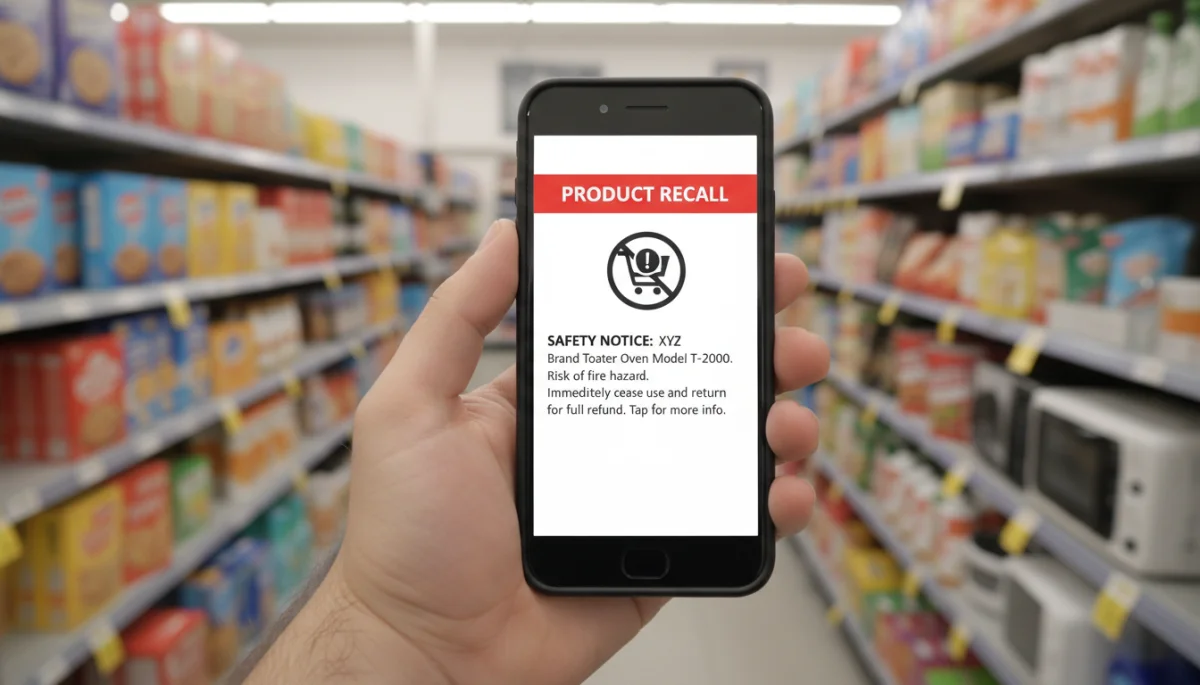
New regulations mandate that manufacturers and retailers utilize a broader array of digital channels to disseminate recall information. This includes not only email notifications but also direct alerts through popular consumer apps, social media platforms, and even smart home devices. The aim is to create a multi-channel approach, making it nearly impossible for consumers to miss critical safety warnings, regardless of their preferred digital interaction method.
How Digital Alerts Will Work
- Direct App Notifications: Many retailers and product brands will now be required to push recall alerts directly to their mobile applications.
- Social Media Integration: Official recall information will be more prominently featured and targeted on major social media platforms.
- Smart Device Integration: Certain smart home devices or connected appliances may receive direct recall notifications if they are part of a registered product ecosystem.
- Centralized Online Hubs: Enhanced government websites will serve as primary, user-friendly hubs for all recall information, offering personalized alert subscriptions.
These digital enhancements are designed to cut down the time it takes for recall information to reach the consumer, which is often a critical factor in preventing injuries or fatalities. The immediacy of digital communication allows for swift action, enabling consumers to remove recalled products from their homes or discontinue use almost instantaneously upon notification. This proactive dissemination strategy is a cornerstone of the new recall framework.
The emphasis on digital notifications marks a pivotal shift in how recalls are managed, moving towards a system that is both faster and more pervasive. Consumers are encouraged to register their products online and subscribe to recall alerts through official government and manufacturer channels to fully benefit from these enhanced systems.
Stricter Manufacturer Accountability and Penalties
The early 2026 US product recall updates introduce significantly stricter measures for manufacturer accountability, coupled with increased penalties for non-compliance. This is a direct response to past instances where manufacturers were perceived as slow to react or inadequately address product safety concerns. The new regulations aim to instill a greater sense of responsibility within companies, ensuring that product safety is prioritized from the initial design phase through to post-market surveillance.
Under the revised framework, regulatory agencies have been granted expanded powers to investigate product defects and enforce compliance. This includes the ability to conduct more frequent and unannounced inspections, demand more comprehensive data on product testing, and require detailed recall plans that demonstrate a clear commitment to consumer safety. The financial and reputational risks for manufacturers failing to meet these new standards are now substantially higher.
New Enforcement Powers and Sanctions
- Increased Fines: Monetary penalties for failing to report defects or initiate timely recalls have been significantly elevated.
- Expanded Liability: Manufacturers may face broader legal liabilities for damages resulting from recalled products, even if a recall was eventually issued.
- Public Shaming Mechanisms: Regulatory bodies will have clearer guidelines for publicly identifying and shaming companies that are negligent in their recall duties.
- Mandatory Corrective Actions: Agencies can now more easily mandate specific corrective actions, beyond just a simple recall, such as redesigns or enhanced quality control.
These stricter measures are intended to act as a powerful deterrent against negligence and to incentivize manufacturers to invest more heavily in robust quality assurance and safety protocols. The goal is to shift the burden of proof and responsibility firmly onto the producers, ensuring that they are held fully accountable for the safety of the products they bring to market. This also means that companies must be more transparent with regulatory bodies and with the public.
In essence, the 2026 updates create a more demanding environment for manufacturers, pushing them to adopt a ‘safety-first’ approach. Consumers can expect a higher standard of product safety as a direct result of these enhanced accountability measures and the looming threat of severe penalties.
Streamlined Reporting and Recall Initiation Processes
The early 2026 US product recall updates also focus heavily on streamlining the reporting and recall initiation processes, aiming to reduce the bureaucratic hurdles that often delayed critical safety actions. The intention is to create a more agile and responsive system where potential hazards can be identified, verified, and acted upon with unprecedented speed. This efficiency is vital when every moment counts in preventing consumer harm.
New protocols facilitate quicker information sharing between various regulatory agencies, as well as between agencies and manufacturers. This collaborative approach is designed to eliminate silos of information, allowing for a more holistic and rapid assessment of potential product dangers. The process from initial complaint to official recall notice is being compressed, ensuring that unsafe products are removed from shelves and homes much faster than before.
The integration of advanced data analytics tools plays a crucial role here. These tools can sift through vast amounts of consumer complaint data, sales figures, and manufacturing records to quickly identify patterns or anomalies that might indicate a widespread product defect. This proactive analysis helps regulatory bodies to intervene before individual incidents escalate into major public health crises.
Key Improvements in Reporting
- Centralized Complaint Portals: Easier and more intuitive online platforms for consumers to report product safety concerns, with streamlined data collection.
- Automated Data Analysis: AI-driven systems to rapidly analyze incoming reports and flag potential high-risk products for immediate review.
- Inter-Agency Collaboration: Mandated real-time data sharing agreements between federal and state regulatory bodies to ensure comprehensive oversight.
Furthermore, manufacturers are now required to submit more detailed and timely reports regarding product incidents, even minor ones, allowing agencies to track potential issues before they become severe. This proactive reporting requirement ensures that regulators have a clearer picture of product performance and potential risks in the market.
In summary, these streamlined processes are about speed and accuracy. By making it easier for consumers to report issues and for agencies to act on them, the new recall procedures are designed to offer a more robust and immediate protective shield for the public.
Consumer Rights and Recourse in 2026
With the early 2026 US product recall updates, consumers will find themselves with enhanced rights and clearer avenues for recourse when affected by a recalled product. The new framework not only focuses on preventing harm but also on ensuring that those who are impacted receive appropriate remedies. This includes clearer guidelines on what consumers can expect in terms of refunds, replacements, or repairs, and how to effectively claim these entitlements.
The updates emphasize transparency regarding consumer options post-recall. Manufacturers are now required to provide explicit and easily understandable instructions on how to return, exchange, or obtain a refund for a recalled item. This aims to reduce confusion and frustration that consumers often experienced when navigating previous recall processes, ensuring a smoother and more equitable resolution.
What Consumers Can Expect
- Clearer Remedy Options: Recall notices will explicitly state whether a refund, replacement, or repair is offered, along with instructions on how to obtain it.
- Extended Claim Periods: In some cases, the window for consumers to claim a remedy might be extended, acknowledging that not all consumers receive or act on recall notices immediately.
- Easier Proof of Purchase: New guidelines may relax strict proof of purchase requirements for certain types of recalls, making it easier for consumers to get recourse even without a receipt.
- Enhanced Legal Protections: The updates strengthen consumer protection laws, potentially making it easier to pursue legal action against manufacturers for significant damages.
Moreover, the new procedures encourage the development of consumer advocacy resources, providing support and guidance for individuals who feel their rights have not been adequately addressed. These resources can help consumers understand their options and navigate the process of seeking compensation or resolution. The intent is to empower consumers with knowledge and support.
Ultimately, these changes underscore a commitment to not just informing consumers about risks, but also ensuring they are fairly compensated and supported when those risks materialize. The expanded rights and recourse mechanisms are a vital component of the enhanced safety framework.
Preparing for Future Product Safety Challenges
Looking beyond the immediate implementation of the early 2026 US product recall updates, there is a clear focus on preparing for future product safety challenges. The rapid pace of innovation, the emergence of new technologies, and the increasing complexity of global supply chains mean that the regulatory landscape must remain adaptive and forward-thinking. This proactive stance is critical to maintaining high standards of consumer protection in an ever-changing world.
One key aspect of this forward-looking approach is continuous monitoring of emerging product categories and manufacturing techniques. Regulatory bodies are investing in research and expertise to understand the potential safety implications of products like advanced AI-powered devices, novel materials, and increasingly interconnected smart technologies. This foresight allows for the development of appropriate safety standards before these products become widely adopted.
Anticipating Future Trends
- AI and IoT Product Safety: Developing specific guidelines for the safety and data security of artificial intelligence and Internet of Things devices.
- Sustainable Material Scrutiny: Ensuring that new, environmentally friendly materials meet rigorous safety standards before widespread commercial use.
- Global Harmonization: Working towards greater international cooperation on product safety standards to address globalized production and distribution.
- Cybersecurity in Products: Integrating cybersecurity requirements into product safety regulations, especially for connected devices, to protect against digital vulnerabilities.
Furthermore, there is a strong emphasis on fostering a culture of safety innovation within the manufacturing sector. This includes encouraging companies to adopt ‘safety by design’ principles, where potential hazards are considered and mitigated at the earliest stages of product development. Incentives for companies that demonstrate exemplary safety records or invest in advanced safety technologies may also be introduced.
The goal is to build a resilient product safety system that can anticipate and respond to unforeseen challenges effectively. By continuously evaluating and adapting, the US product recall framework aims to safeguard consumers not just against current threats but also against those that have yet to emerge, ensuring long-term protection in a dynamic marketplace.
Actionable Steps for Consumers in 2026
Navigating the new landscape of US product recall updates requires proactive engagement from consumers. While the updated procedures offer enhanced protections, your vigilance remains a critical component in ensuring your own safety and that of your household. Taking a few simple, actionable steps can significantly reduce your risk and empower you to respond effectively to any product recall notice. Being informed and prepared is your best defense.
One of the most important actions is to actively register your products. Many manufacturers offer online registration, which can be a direct pipeline for recall notifications. Beyond manufacturer channels, subscribing to official government recall alerts ensures you receive broad notifications across various product categories. Regularly checking these resources can provide peace of mind and timely information.
Essential Consumer Actions
- Register Your Products: Whenever possible, register new purchases with the manufacturer to receive direct safety notifications.
- Subscribe to Official Alerts: Sign up for email or app alerts from government agencies like the CPSC (Consumer Product Safety Commission) and FDA (Food and Drug Administration).
- Regularly Check Recall Databases: Periodically visit official recall websites to proactively search for any products you own.
- Retain Receipts and Packaging: Keep proof of purchase for high-value items, as it can simplify the process of claiming a remedy during a recall.
- Inspect Products Regularly: Develop a habit of inspecting products for wear, tear, or unusual functionality that might indicate a defect.
It’s also beneficial to stay informed about general product safety news and trends. Understanding common types of recalls or emerging product hazards can help you make more informed purchasing decisions. Engage with consumer advocacy groups and communities online to share information and learn from others’ experiences.
By integrating these actionable steps into your routine, you can leverage the enhanced recall procedures to your full advantage. Your active participation in product safety is not just about protecting yourself; it contributes to a safer marketplace for everyone by signaling consumer demand for high standards.
| Key Update Area | Brief Description |
|---|---|
| Digital Notifications | Enhanced multi-channel alerts via apps, social media, and smart devices for faster consumer reach. |
| Manufacturer Accountability | Stricter oversight, higher fines, and expanded liability for non-compliance with safety standards. |
| Streamlined Processes | Quicker reporting and recall initiation through improved inter-agency data sharing and analytics. |
| Consumer Rights | Clearer remedy options and extended claim periods for affected consumers. |
Frequently Asked Questions About 2026 Product Recalls
The primary goals are to enhance consumer safety through faster hazard identification, improve communication of recall information, and strengthen manufacturer accountability by imposing stricter penalties and oversight.
Notification will be multi-channel, including direct alerts via mobile apps, social media platforms, smart home devices, and enhanced government websites, ensuring wider and faster dissemination of information.
Manufacturers face stricter accountability, including increased fines for non-compliance, expanded liability, and mandatory detailed reporting of product incidents, emphasizing a ‘safety-first’ approach from design to market.
Immediately stop using the product. Follow the instructions in the recall notice for returning the item, seeking a refund, replacement, or repair. Registering products and subscribing to alerts helps ensure you receive timely instructions.
Yes, the updates include clearer guidelines for consumer recourse. Official government websites and consumer advocacy groups provide support and guidance on your options for refunds, replacements, or repairs, ensuring fair treatment.
Conclusion
The US product recall updates implemented in early 2026 mark a significant leap forward in consumer protection. By integrating advanced digital notification systems, imposing stricter accountability on manufacturers, streamlining reporting processes, and enhancing consumer rights, the new framework aims to create a safer and more responsive marketplace. For consumers, staying informed and adopting proactive habits such as product registration and subscribing to official alerts will be crucial to fully benefit from these advancements. These changes underscore a collective commitment to ensuring that product safety remains a paramount concern, fostering greater trust and confidence in the goods we purchase and use every day.
