Smart Personal Spending: Cut Unnecessary Expenses by 20%

Implementing effective strategies for smart personal spending can significantly reduce your unnecessary expenses by 20% within six months, leading to substantial financial improvements and greater control over your money.
Embarking on a journey towards smart personal spending is not just about cutting back; it’s about making conscious choices that align with your financial goals. This guide will show you how to identify and eliminate unnecessary expenses, aiming for a significant 20% reduction in the next six months, empowering you to achieve greater financial stability and peace of mind.
understanding your current spending habits
Before you can cut unnecessary expenses, you must first understand where your money is actually going. Many individuals are surprised to discover how much they spend on non-essentials once they track their expenditures diligently. This initial step is foundational to any successful financial overhaul, providing a clear picture of your current financial landscape.
tracking every dollar
The most effective way to understand your spending is to track every dollar for at least a month. This can be done through various methods, from simple notebooks to sophisticated budgeting apps. The goal is to capture all transactions, no matter how small, to reveal your true spending patterns.
- Manual tracking: Use a small notebook or a spreadsheet to log all purchases daily. This hands-on approach can increase awareness.
- Budgeting apps: Apps like Mint, YNAB (You Need A Budget), or Personal Capital link directly to your bank accounts and credit cards, automating the tracking process.
- Bank statements: Reviewing your monthly bank and credit card statements provides a historical overview of your spending.
Once you have a clear record of your spending, categorize each expense. This helps identify areas where you might be overspending or where expenses are not aligned with your values or priorities. Common categories include housing, transportation, food, entertainment, and personal care.
Analyzing your spending data allows you to see patterns and identify “leaks” in your budget. Are you spending too much on dining out? Are subscriptions accumulating without you realizing their cost? This detailed insight is crucial for making informed decisions about where to cut back without feeling deprived.
Understanding your current spending habits is the cornerstone of effective budgeting. Without this clear picture, any attempts to cut expenses will be based on guesswork rather than data, making it difficult to achieve your 20% reduction goal confidently.
setting realistic financial goals and a budget
Once you understand your spending, the next critical step in smart personal spending is to set realistic financial goals and create a budget that supports them. A budget isn’t a restrictive tool; it’s a roadmap that guides your money towards your aspirations, whether that’s saving for a down payment, paying off debt, or simply building an emergency fund.
defining your savings targets
Your goal to cut unnecessary expenses by 20% in six months is a great starting point. Break this down into monthly targets. For example, if your current unnecessary spending is $500 per month, a 20% reduction means aiming to cut $100 from that figure each month. This makes the goal more manageable and less daunting.
- Short-term goals: Focus on immediate savings and expense reduction.
- Mid-term goals: Plan for larger purchases or debt reduction within 1-3 years.
- Long-term goals: Consider retirement planning and significant investments.
When setting goals, ensure they are SMART: Specific, Measurable, Achievable, Relevant, and Time-bound. This framework helps you stay focused and motivated. For instance, instead of “save more money,” aim for “save $600 by reducing dining out by $100 per month for the next six months.”
creating your budget framework
There are several popular budgeting methods you can adopt. The 50/30/20 rule is a great starting point: 50% of your income for needs, 30% for wants, and 20% for savings and debt repayment. This simple framework can help you categorize your expenses and allocate your income effectively.
Another method is zero-based budgeting, where every dollar of your income is assigned a job, whether it’s an expense, a saving, or a debt payment. This ensures no money is left unaccounted for and forces you to be intentional with your spending. Whichever method you choose, consistency is key.
Regularly review and adjust your budget. Life changes, and so should your financial plan. A budget is a living document, not a static one. By setting clear goals and maintaining a flexible budget, you can effectively manage your money and make significant strides towards reducing unnecessary spending.
identifying and eliminating unnecessary expenses
With a clear understanding of your spending and a budget in place, the next step in achieving smart personal spending is actively identifying and eliminating expenses that don’t serve your financial goals. This requires a critical look at your “wants” versus your “needs” and a willingness to make adjustments.
the wants vs. needs distinction
Distinguishing between wants and needs is fundamental to cutting unnecessary expenses. Needs are essential for survival and basic functioning, such as housing, utilities, food, and transportation to work. Wants are everything else – dining out, entertainment, designer clothes, and subscription services, to name a few.
- Review subscriptions: Cancel unused streaming services, gym memberships, or apps.
- Evaluate dining out: Reduce frequency or choose more affordable options.
- Impulse purchases: Implement a “24-hour rule” before buying non-essential items.
Often, wants become habits that feel like needs. By consciously questioning each expense, you can break free from these habits. For example, do you really need five streaming services, or would two suffice? Are daily coffee shop visits a true need, or a convenient want that adds up significantly?
strategic cuts and alternatives
Eliminating unnecessary expenses doesn’t always mean complete deprivation; it often involves finding more cost-effective alternatives. Instead of canceling all entertainment, look for free or low-cost options like public parks, free community events, or library resources. Cooking at home more often can drastically reduce food expenses.
Consider consolidating or negotiating bills. Call your internet, cable, or insurance providers to see if you can get a better rate or bundle services. Even small savings on recurring bills can contribute significantly to your 20% reduction goal over six months. Be proactive in seeking out these opportunities.
The process of identifying and eliminating unnecessary expenses is ongoing. It requires regular review of your budget and spending habits. By consistently making conscious choices and seeking alternatives, you can effectively trim your expenditures and redirect those savings towards your financial future.
optimizing recurring expenses and bills
Beyond the obvious discretionary spending, a significant portion of unnecessary expenses can often be found hidden within recurring bills and services. Optimizing these regular outlays is a powerful strategy for smart personal spending, as even small monthly reductions can compound into substantial savings over time, directly contributing to your 20% goal.
negotiate and compare services
Many service providers are willing to negotiate rates, especially for loyal customers or if you threaten to switch to a competitor. This applies to various services, including internet, cable, mobile phone plans, and even insurance. Dedicate some time to call these providers and inquire about lower rates or special promotions.
- Internet and cable: Research competitor prices and leverage them in negotiations.
- Mobile phone plans: Evaluate if your current data plan matches your usage; consider switching to a more affordable carrier or plan.
- Insurance: Obtain quotes from multiple providers for auto, home, and health insurance to ensure you’re getting the best rates for comparable coverage.
Don’t be afraid to switch providers if your current one isn’t offering competitive rates. The market is dynamic, and new deals emerge regularly. A little research and a phone call can often lead to significant long-term savings without sacrificing quality of service.
evaluate utility consumption
Utility bills, while necessary, often contain hidden inefficiencies. Simple changes in habits and minor home improvements can lead to noticeable reductions. Think about your energy and water consumption. Are there ways to be more mindful?
For electricity, consider unplugging electronics when not in use, switching to energy-efficient LED bulbs, and adjusting your thermostat to conserve heating and cooling. For water, fix leaky faucets, take shorter showers, and run full loads of laundry and dishes. These small actions collectively make a big difference in your monthly bills and contribute directly to your expense reduction targets.
Regularly reviewing and optimizing your recurring expenses is a continuous process. By actively seeking better deals, negotiating services, and being mindful of your consumption, you can unlock significant savings that might otherwise go unnoticed, accelerating your progress towards your financial goals.
smart grocery shopping and meal planning
Food expenses are often one of the largest variable costs in a household budget, presenting a prime opportunity for smart personal spending. By adopting strategic grocery shopping and meal planning habits, you can significantly reduce your food bill, contributing effectively to your goal of cutting unnecessary expenses by 20%.
planning your meals ahead
Meal planning is the cornerstone of reducing food waste and impulse purchases. Before heading to the grocery store, plan out your meals for the week. This allows you to create a precise shopping list, ensuring you only buy what you need and will use. It also helps prevent last-minute, expensive takeout orders.
- Weekly menu: Decide on breakfast, lunch, and dinner for each day.
- Ingredient list: Compile a detailed list of all necessary ingredients.
- Check pantry: Cross-reference your list with existing pantry items to avoid duplication.
Consider meal prepping, where you dedicate a few hours on a weekend to prepare components or entire meals for the week ahead. This can save time during busy weekdays and prevent the temptation to eat out due to lack of time or energy to cook.
savvy grocery store tactics
Once you have your meal plan and shopping list, employ smart strategies at the grocery store. Never shop on an empty stomach, as hunger can lead to impulse buys. Stick strictly to your list and avoid browsing aisles with tempting but unnecessary items. Look for sales, use coupons, and consider store brands, which often offer comparable quality at a lower price.
Buying in bulk for non-perishable items can also lead to savings, but only if you have the storage space and will genuinely use the items before they expire. Be mindful of unit prices to determine the true cost-effectiveness of bulk purchases. Reducing food waste by properly storing food and using leftovers creatively further enhances your savings.
By integrating thoughtful meal planning and strategic grocery shopping into your routine, you can gain significant control over your food budget. These habits not only reduce your expenses but also promote healthier eating and less waste, making them a win-win for your finances and well-being.
leveraging technology and automation for savings
In today’s digital age, technology offers powerful tools to enhance smart personal spending and automate your savings efforts. Leveraging these resources can make the process of cutting unnecessary expenses by 20% smoother and more consistent, ensuring you stay on track without constant manual effort.
budgeting and expense tracking apps
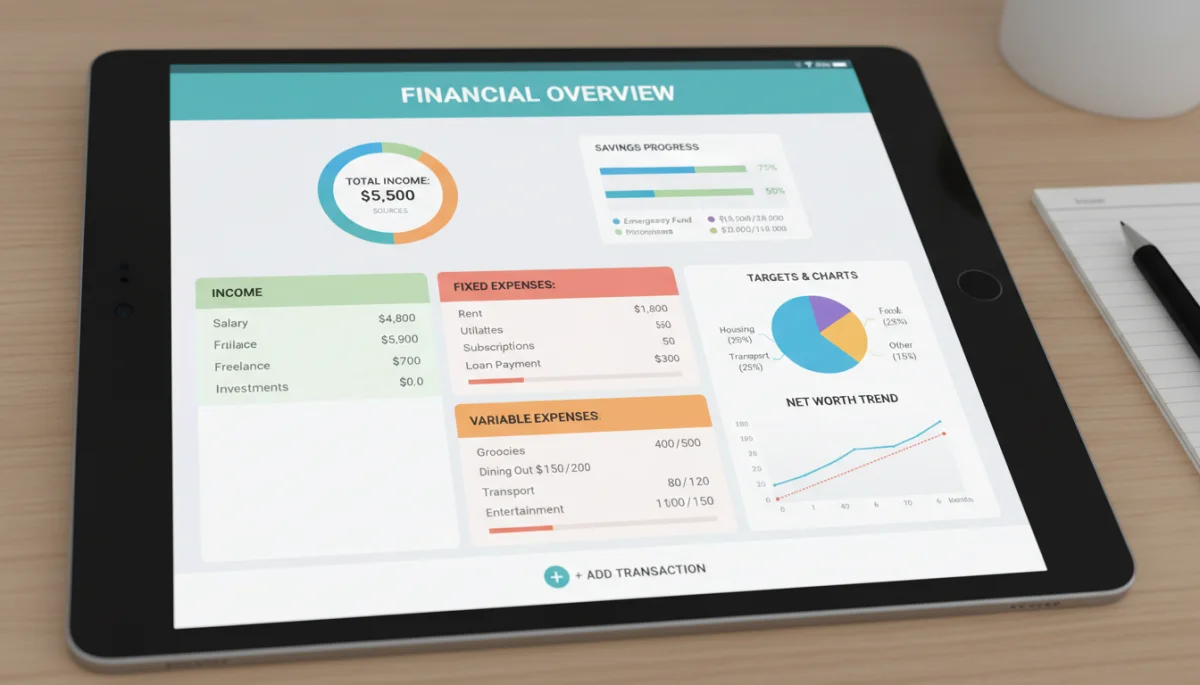
As mentioned earlier, budgeting apps can revolutionize how you manage your money. They provide real-time insights into your spending, categorize transactions automatically, and send alerts if you’re nearing your budget limits. This immediate feedback loop is invaluable for course correction and maintaining discipline.
- Automatic categorization: Apps learn your spending habits and classify transactions.
- Spending alerts: Receive notifications when you exceed budget categories.
- Financial reports: Visualize your financial health with charts and graphs.
Many apps also offer features like net worth tracking, investment monitoring, and bill reminders, consolidating all your financial data in one place. This holistic view empowers you to make more informed decisions and identify areas for further optimization.
automating your savings and payments
The most effective way to save money is to make it automatic. Set up automatic transfers from your checking account to your savings account immediately after you get paid. Even small, consistent transfers add up significantly over six months. Treat your savings as a non-negotiable expense, just like rent or utilities.
Similarly, automate your bill payments. This ensures you never miss a due date, avoiding late fees and potential negative impacts on your credit score. Many banks and credit card companies offer auto-pay options, or you can use third-party bill payment services. Automation removes the mental burden of remembering due dates and frees up your time.
By embracing technology and automation, you create a robust system that supports your financial goals. These tools not only simplify money management but also reinforce good financial habits, making your journey towards smart personal spending more efficient and ultimately more successful in achieving your 20% expense reduction.
maintaining momentum and staying motivated
Achieving a 20% reduction in unnecessary expenses over six months requires sustained effort and motivation. Smart personal spending is a journey, not a destination, and staying committed to your financial goals can be challenging. However, by implementing strategies to maintain momentum, you can ensure long-term success.
regularly review and adjust
Your budget is not set in stone. Life circumstances change, and so should your financial plan. Schedule regular check-ins, perhaps weekly or bi-weekly, to review your spending, assess your progress, and make necessary adjustments. This allows you to adapt to unexpected expenses or new financial opportunities.
- Monthly budget review: Analyze actual spending against budgeted amounts.
- Goal re-evaluation: Adjust your savings goals if your income or expenses change.
- Celebrate small wins: Acknowledge and reward yourself for meeting milestones.
If you find yourself consistently overspending in a particular category, don’t view it as a failure. Instead, see it as an opportunity to learn and refine your budget. Perhaps your initial allocation was unrealistic, or you need to find more creative ways to cut back in that area. Flexibility is key to sustainable budgeting.
find accountability and support
Sharing your financial goals with a trusted friend, family member, or financial advisor can provide a valuable layer of accountability. Knowing someone else is aware of your objectives can motivate you to stick to your plan. You might even find a budgeting buddy who is also working on similar goals, providing mutual support and encouragement.
Educate yourself continuously about personal finance. Read books, listen to podcasts, and follow reputable financial blogs. The more you learn, the more empowered you become to make informed decisions and discover new strategies for saving and managing your money effectively. Staying engaged with financial literacy keeps your motivation high.
By consistently reviewing your progress, adapting your strategies, and seeking support, you can maintain the momentum needed to not only reach your 20% expense reduction goal but also build lasting habits of smart personal spending that will benefit you for years to come.
| Key Strategy | Brief Description |
|---|---|
| Track Spending | Monitor all expenditures to identify where money is truly going. |
| Set Budget Goals | Establish realistic financial targets and create a supportive budget. |
| Optimize Bills | Negotiate recurring service costs and reduce utility consumption. |
| Automate Savings | Set up automatic transfers to savings to ensure consistent progress. |
frequently asked questions about smart personal spending
▼
The crucial first step is to meticulously track all your spending for at least one month. This provides a clear picture of where your money is going, helping you identify specific areas for potential cuts and inform your budgeting decisions effectively.
▼
Needs are essential for survival and basic living, like housing and food. Wants are discretionary items that enhance your life but aren’t strictly necessary, such as entertainment or dining out. Critically evaluating each expense helps make this distinction.
▼
Yes, by focusing on strategic cuts and finding cost-effective alternatives rather than complete elimination. Optimizing recurring bills, smart grocery shopping, and canceling unused subscriptions are ways to save significantly without major lifestyle changes.
▼
Technology, through budgeting apps and automation, simplifies expense tracking, categorizes spending, and automates savings transfers. This streamlines the budgeting process, provides real-time insights, and helps maintain consistency in your financial plan.
▼
It’s advisable to review your budget at least monthly to compare actual spending against your plan. This regular check-in allows you to make necessary adjustments, adapt to changing circumstances, and stay on track with your financial goals effectively.
conclusion
Achieving smart personal spending and successfully cutting unnecessary expenses by 20% in the next six months is an attainable goal that can significantly transform your financial landscape. By diligently tracking your spending, setting clear goals, optimizing recurring bills, adopting savvy shopping habits, and leveraging technology, you gain unparalleled control over your money. This journey is not just about saving; it’s about building sustainable financial habits that lead to greater security and freedom. Embrace these strategies, stay persistent, and watch your financial well-being flourish.
