Product Recalls US 2026: Your 3-Month Action Guide
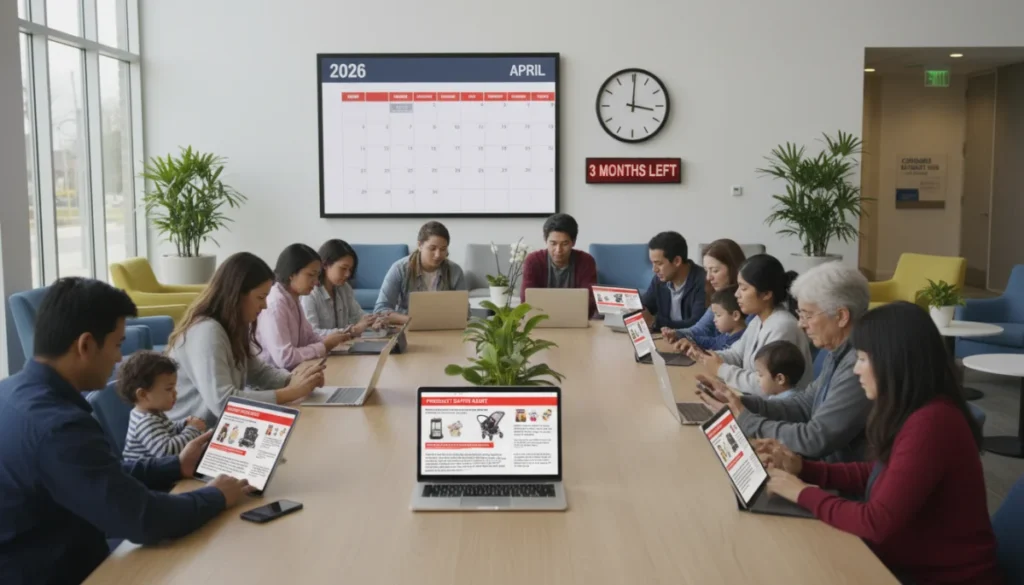
Understanding your rights and taking swift action within three months of a product recall notification in the US for 2026 is crucial for ensuring safety, securing compensation, and preventing potential hazards.
Receiving a product recall notification can be unsettling, but knowing your rights and the steps to take is crucial. This guide focuses on product recalls US 2026, detailing what consumers need to do within three months of receiving such a notice to protect their safety and interests.
Understanding product recalls in the US: 2026 overview
Product recalls in the United States are a critical mechanism designed to protect consumers from unsafe or defective products. These recalls can range from everyday household items to complex electronics and vehicles, impacting millions of Americans annually. In 2026, the regulatory landscape continues to evolve, with agencies like the Consumer Product Safety Commission (CPSC), the National Highway Traffic Safety Administration (NHTSA), and the Food and Drug Administration (FDA) playing pivotal roles in identifying hazards and issuing recalls.
The primary goal of a recall is to remove potentially dangerous products from the market and inform consumers about the risks. Companies, often in cooperation with regulatory bodies, initiate recalls when a product is found to pose a safety risk, fails to meet safety standards, or has a significant defect. Understanding which agency oversees a particular product type is the first step in comprehending the recall process.
Key regulatory bodies for product recalls
Different products fall under the jurisdiction of various federal agencies, each with specific responsibilities for consumer safety and recall enforcement. Knowing these agencies helps consumers navigate the recall process more effectively.
- Consumer Product Safety Commission (CPSC): Oversees a vast array of consumer products, from toys and furniture to household appliances, excluding food, drugs, cosmetics, and vehicles.
- National Highway Traffic Safety Administration (NHTSA): Responsible for motor vehicles, tires, car seats, and related equipment. NHTSA recalls address safety defects and non-compliance with federal motor vehicle safety standards.
- Food and Drug Administration (FDA): Regulates food, drugs (both prescription and over-the-counter), medical devices, cosmetics, and tobacco products. FDA recalls are often prompted by contamination, mislabeling, or adverse health effects.
- Environmental Protection Agency (EPA): Manages recalls for pesticides and certain other chemical products that pose environmental or health risks.
Each agency maintains public databases and notification systems, which are vital resources for consumers to stay informed about recent recalls. Familiarizing yourself with these resources is a proactive measure against potential hazards.
In conclusion, the 2026 landscape for product recalls in the US is characterized by robust regulatory oversight aimed at consumer protection. Being aware of the different agencies and their respective purviews is fundamental for any consumer to effectively respond to a recall notification.
Receiving a recall notification: What to expect
When a product recall is issued, companies and regulatory agencies make concerted efforts to inform affected consumers. Notifications can arrive through various channels, and understanding these methods is key to not missing vital information. The goal is to reach as many purchasers as possible within a reasonable timeframe, often within the initial weeks of the recall announcement.
Typical notification methods include direct mail, email alerts, public announcements through media, and warnings posted on company or agency websites. For registered products, direct communication is most common, highlighting the importance of product registration. However, even for unregistered items, broad public advisories aim to capture widespread attention.
Common notification channels
Manufacturers and regulatory bodies utilize a multi-channel approach to ensure consumers are adequately informed about a recall. This strategy maximizes the chances of reaching the affected population.
- Direct mail and email: If you registered your product or purchased it directly from the manufacturer, you are likely to receive a letter or email detailing the recall.
- Public service announcements: News outlets, radio, and television often broadcast information about significant recalls, particularly those affecting a large number of people or posing severe risks.
- Website postings: Regulatory agency websites (CPSC, NHTSA, FDA) and manufacturer websites are primary sources for recall information, often providing detailed instructions and FAQs.
- Social media alerts: Many agencies and companies use social media platforms to disseminate urgent recall information, reaching a younger and digitally-savvy audience.
Upon receiving a notification, it is imperative to read it thoroughly and understand the specific details of the recall. This includes identifying the exact product, the nature of the defect or hazard, and the recommended course of action. Ignoring these notifications can have serious consequences for safety and potential legal recourse.
In summary, recall notifications are designed to be comprehensive and accessible. Consumers should remain vigilant across various communication channels to ensure they are promptly informed and can act swiftly in response to a defective product.
Your immediate actions after a recall: The first 30 days
The period immediately following a recall notification is critical. Taking prompt action within the first 30 days can significantly impact your safety and your ability to secure appropriate remedies. This initial phase involves verifying the recall, discontinuing use of the product, and understanding the available remedies.
Do not delay in addressing a recall. The longer a defective product remains in use, the higher the risk of injury, damage, or other adverse outcomes. Manufacturers and regulatory agencies typically provide clear instructions on what to do, and adherence to these guidelines is paramount.
Verifying the recall and stopping use
The first step is to confirm that your product is indeed part of the recall. This involves checking model numbers, serial numbers, and manufacturing dates against the information provided in the recall notice. Once confirmed, immediate cessation of product use is non-negotiable.
- Check product identifiers: Compare the UPC, model number, serial number, or other identifying marks on your product with those listed in the recall notice.
- Discontinue use immediately: Even if the product appears to be functioning normally, the identified defect poses a risk. Stop using the product as soon as the recall is confirmed.
- Isolate the product: Store the recalled item in a safe place where it cannot be accidentally used by others, especially children.
Understanding the nature of the hazard is also important. Is it a fire risk? A choking hazard? A chemical exposure? Knowing the specific danger helps you take appropriate precautions while the product is awaiting return or disposal. This initial period is about minimizing risk and preparing for the next steps.
In conclusion, the first 30 days post-notification are crucial for verifying the recall and immediately halting the use of the affected product. This proactive approach safeguards against potential harm and sets the stage for obtaining a remedy.
Navigating remedies and returns: Weeks 5-8
After the initial shock and immediate action, the next phase, typically spanning weeks 5 through 8, focuses on understanding and pursuing the remedies offered by the manufacturer. Manufacturers are legally obligated to provide a remedy, which can vary depending on the product and the nature of the defect. These remedies generally fall into three main categories: repair, replacement, or refund.
It’s important to carefully review the recall notice for specific instructions on how to claim your remedy. Each manufacturer will have a unique process, which might involve contacting customer service, visiting a specific website, or returning the product to a retailer.

Types of remedies available
The type of remedy offered depends largely on the severity of the defect, the cost of the product, and the feasibility of repair or replacement. Consumers have rights that entitle them to a resolution for defective products.
- Repair: The manufacturer may offer to repair the defective product free of charge. This is often the case for items where the defect is minor and can be safely fixed without compromising the product’s overall integrity.
- Replacement: A new, non-defective product of equal value may be offered as a replacement. This is a common remedy for products where repair is not practical or cost-effective, or if the defect is severe.
- Refund: In some cases, particularly for high-value items or when repair or replacement is not feasible, the manufacturer might offer a full or partial refund of the purchase price.
When pursuing a remedy, keep detailed records of all communications, shipping receipts, and any other relevant documentation. This includes dates, names of individuals spoken to, and summaries of conversations. This documentation can be invaluable if disputes arise or if further action is needed. Be patient but persistent in following up on your claim.
In conclusion, weeks 5-8 are dedicated to actively engaging with the manufacturer to secure your entitled remedy. Understanding the options and meticulously documenting your interactions will streamline the process and protect your consumer rights.
Beyond the initial period: Weeks 9-12 and legal considerations
As you approach the three-month mark, weeks 9 through 12, it’s essential to ensure your recall claim has been fully processed and to understand any potential legal avenues if issues persist. While most recalls are resolved amicably, some consumers may encounter difficulties in obtaining their remedies or may have suffered damages due to the defective product.
This period is also a good time to review the effectiveness of the remedy provided. Has the repair held up? Is the replacement product functioning correctly? Have you received your full refund? If not, further action may be required.
What if your claim is unresolved?
If you have not received a satisfactory resolution by the three-month deadline, or if the remedy itself is unsatisfactory, there are several steps you can take. Your consumer rights extend beyond simply making a claim; they include avenues for escalation.
- Contact the regulatory agency: If the manufacturer is unresponsive or uncooperative, report the issue to the relevant federal agency (CPSC, NHTSA, FDA). They can intervene on your behalf or provide further guidance.
- Consumer protection organizations: State and local consumer protection agencies, as well as non-profit organizations, can offer advice and assistance in resolving disputes with manufacturers.
- Legal counsel: For significant damages, injuries, or persistent refusal by the manufacturer to provide a remedy, consulting with an attorney specializing in product liability or consumer law may be necessary.
It’s crucial to understand that statutes of limitations may apply to product liability claims, so timely action is important. Documenting the harm caused by the defective product, including medical records or repair bills, will be vital if legal action is considered. Your prompt response to product recalls US 2026 is not just about getting a replacement, but about protecting your overall well-being.
In summary, weeks 9-12 are about confirming the successful resolution of your recall claim and exploring further options if satisfaction has not been achieved. Being informed about your legal rights provides a safety net when dealing with unresolved recall issues.
Preventing future recalls: Proactive consumer steps
While responding effectively to a product recall is critical, proactive measures can significantly reduce your exposure to defective products in the first place. Informed purchasing decisions and diligent product management are key aspects of modern consumer safety. By taking a few extra steps, you can minimize the chances of encountering a recalled item and simplify the process if one does occur.
Staying informed about product safety news and understanding the track record of manufacturers can empower you to make smarter choices. This proactive approach goes hand-in-hand with knowing your rights regarding product recalls US 2026.
Smart buying and product registration
Making informed choices before a purchase and properly managing products after buying them are two of the most effective ways to mitigate recall risks. These actions create a layer of defense for consumers.
- Research before buying: Before making a purchase, especially for significant items, check for known recalls on similar products from the same manufacturer. Read reviews and look for safety ratings.
- Register your products: Always register new products with the manufacturer. This ensures you receive direct recall notifications, which are often faster and more specific than general public announcements.
- Keep purchase records: Retain receipts, warranty cards, and packaging. These documents can be crucial for proving ownership and purchase date if a recall occurs and you need to claim a remedy.
Beyond individual actions, supporting consumer advocacy groups and staying educated on product safety regulations also contributes to a safer marketplace for everyone. Your voice as a consumer holds power in demanding higher safety standards from manufacturers and regulators alike.
In conclusion, preventing future recall issues involves a combination of informed purchasing, diligent product registration, and maintaining good records. These proactive steps reduce your risk and streamline the process should a recall affect you.
The role of consumer advocacy in recalls
Consumer advocacy plays a pivotal role in the landscape of product safety and recalls, extending far beyond individual actions. These organizations and movements serve as watchdogs, lobbyists, and educators, ensuring that consumer interests are represented and protected against potentially negligent manufacturers. Their work contributes significantly to the effectiveness of product recalls US 2026 and beyond.
Advocacy groups often conduct independent research, identify emerging hazards, and pressure regulatory bodies and manufacturers to take swift action when safety concerns arise. They provide a collective voice for consumers, which can be more impactful than individual complaints.
How advocacy shapes product safety
The influence of consumer advocacy is multifaceted, affecting policy, corporate behavior, and public awareness. Their efforts are crucial in maintaining a responsive and responsible product recall system.
- Lobbying for stronger regulations: Advocacy groups frequently lobby lawmakers for more stringent product safety standards and more robust enforcement mechanisms for recalls.
- Public awareness campaigns: They launch campaigns to educate consumers about specific product hazards, recall procedures, and their rights, complementing official government notifications.
- Holding companies accountable: By publicizing corporate non-compliance or slow responses to recalls, these groups can exert pressure on manufacturers to act responsibly and promptly.
Supporting these organizations, whether through donations, volunteering, or simply staying informed about their work, empowers the collective effort to ensure product safety. In a complex marketplace, the vigilance of consumer advocates is an invaluable asset for every individual consumer.
Ultimately, consumer advocacy is an indispensable component of a healthy product safety ecosystem. Their continuous work ensures that consumers remain protected and that recalls are handled efficiently and effectively, reinforcing the importance of being aware of your rights in product recalls US 2026.
| Key Point | Brief Description |
|---|---|
| Immediate Action (0-4 weeks) | Verify recall, stop using the product, and secure it safely to prevent further risk. |
| Claiming Remedy (5-8 weeks) | Contact manufacturer for repair, replacement, or refund; keep meticulous records of all interactions. |
| Resolving Issues (9-12 weeks) | Escalate unresolved claims to regulatory agencies or consumer protection groups, consider legal advice for damages. |
| Proactive Measures | Register products, research before buying, and retain purchase records to simplify future recall processes. |
Frequently asked questions about product recalls
As a consumer, you have the right to be notified of a recall and to receive a remedy for the defective product. This typically includes a repair, replacement, or refund, free of charge. These rights are enforced by federal agencies like the CPSC, NHTSA, and FDA, ensuring manufacturers adhere to safety standards and provide adequate solutions.
Immediately stop using the recalled product and verify that your specific item is included in the recall by checking model and serial numbers. Secure the product to prevent accidental use, especially by children. Then, follow the manufacturer’s instructions for returning or disposing of the item to claim your remedy promptly.
While there isn’t a strict legal deadline for all recalls, acting within three months of notification is strongly advised. This timeframe ensures you can easily access remedies, as manufacturer offers may change or become harder to claim over time. Prompt action also minimizes potential safety risks and preserves your legal options.
If a manufacturer is unresponsive or refuses to provide a remedy, you should report them to the relevant federal regulatory agency (e.g., CPSC, NHTSA, FDA). You can also seek assistance from state consumer protection offices or consider legal counsel, especially if you’ve suffered injury or significant financial loss due to the defective product.
Yes, if a defective and recalled product caused you injury, you may be entitled to compensation beyond the standard remedy. This typically involves pursuing a product liability claim. It is advisable to consult with an attorney to understand your legal options and gather necessary documentation, such as medical records and proof of purchase, to support your case.
Conclusion
Navigating product recalls in the US for 2026 requires promptness, awareness, and a clear understanding of your consumer rights. By taking immediate action within three months of a notification, verifying the recall, pursuing appropriate remedies, and engaging with regulatory bodies if necessary, consumers can effectively protect themselves from hazardous products and ensure their entitlements are met. Staying informed and proactive remains the best defense in an ever-evolving marketplace, reinforcing the importance of consumer vigilance and advocacy.
