Future-Proofing Your Resume: 8 Updates for the U.S. Job Market 2026
To successfully navigate the evolving U.S. job market in 2026, your resume must integrate digital competencies, AI familiarity, and demonstrate adaptable soft skills to capture recruiter attention effectively.
Are you ready to truly make your mark in the competitive U.S. job market of tomorrow? Preparing your application materials now is crucial, and that means understanding how to ensure your resume stands out. Let’s delve into the essential strategies for future-proofing your resume: 8 modern updates for the U.S. job market in 2026.
Emphasizing Digital Literacy and AI Competence
In 2026, the foundational expectation for nearly every role across industries is a robust understanding of digital tools and, increasingly, competence with artificial intelligence. Recruiters are no longer just looking for basic computer skills; they seek candidates who can leverage technology to drive efficiency and innovation.
This goes beyond simply listing software you’ve used. It’s about demonstrating how you’ve applied these tools to solve problems, streamline workflows, or enhance outcomes. The ability to interact with AI platforms, interpret data from AI-driven analytics, and even understand the ethical implications of AI in your field will be a significant differentiator.
Showcasing AI Tools and Applications
Merely stating ‘proficient in AI’ is insufficient. Instead, provide concrete examples of AI tools you’ve utilized and the tangible results achieved.
- Generative AI: Detail how you’ve used tools like ChatGPT or Bard for content creation, brainstorming, or code generation, specifying projects and impacts.
- AI-Powered Analytics: Highlight your experience with platforms that use AI for data analysis, predictive modeling, or customer insights, explaining how you translated data into actionable strategies.
- Automation and Robotics: If relevant to your industry, describe involvement with robotic process automation (RPA) or other automation technologies, focusing on efficiency gains.
The key is to move past buzzwords and illustrate genuine engagement with these technologies. Quantify your achievements whenever possible to provide a clear picture of your capabilities. This section should leave no doubt about your readiness for a technologically advanced workplace.
Highlighting Adaptability and Continuous Learning
The pace of change in the modern workplace is accelerating, making adaptability and a commitment to continuous learning paramount. Employers in 2026 will prioritize candidates who can not only navigate change but thrive within it. Your resume should reflect a proactive approach to skill development and intellectual curiosity.
This isn’t just about listing a few online courses. It’s about demonstrating a mindset that embraces new challenges and actively seeks out opportunities for growth. Recruiters want to see evidence that you can quickly acquire new knowledge and apply it effectively in dynamic environments.
Demonstrating a Growth Mindset
Show, don’t just tell, your commitment to learning. This can be woven into various sections of your resume.
- Professional Development: Create a dedicated section for certifications, workshops, and advanced training relevant to your field, especially those completed recently.
- Project Examples: Describe projects where you had to learn new technologies or methodologies on the fly, emphasizing your problem-solving skills and rapid assimilation of information.
- Volunteer Work/Personal Projects: If applicable, include examples of how you’ve taken initiative to learn new skills outside of formal employment, showcasing your intrinsic motivation.
Your resume should convey that you view challenges as opportunities to learn and that you are not afraid to step outside your comfort zone. This proactive stance towards skill acquisition is highly valued in an ever-evolving job market.
Showcasing Soft Skills with Concrete Examples
While technical prowess remains vital, the U.S. job market in 2026 places an even greater emphasis on soft skills. Communication, collaboration, critical thinking, and emotional intelligence are no longer ‘nice-to-haves’ but essential competencies. Recruiters are looking for candidates who can effectively interact with diverse teams, solve complex problems creatively, and maintain resilience under pressure.
Simply listing these skills under a ‘Skills’ section is often insufficient. Instead, integrate examples of how you’ve applied these soft skills to achieve positive outcomes in past roles. This provides tangible evidence of your interpersonal and cognitive abilities.
Integrating Soft Skills into Experience Descriptions
Rather than a generic list, embed your soft skills within your professional experience bullet points. For instance, instead of ‘Good communicator,’ try:
- Communication: ‘Led weekly cross-functional team meetings, facilitating clear communication between engineering and marketing departments, resulting in a 15% faster project completion.’
- Problem-Solving: ‘Identified and resolved a critical system bug, collaborating with IT and user departments to implement a permanent solution that reduced downtime by 20%.’
- Adaptability: ‘Successfully pivoted marketing strategy in response to changing market trends, maintaining target audience engagement and achieving quarterly goals despite unforeseen challenges.’
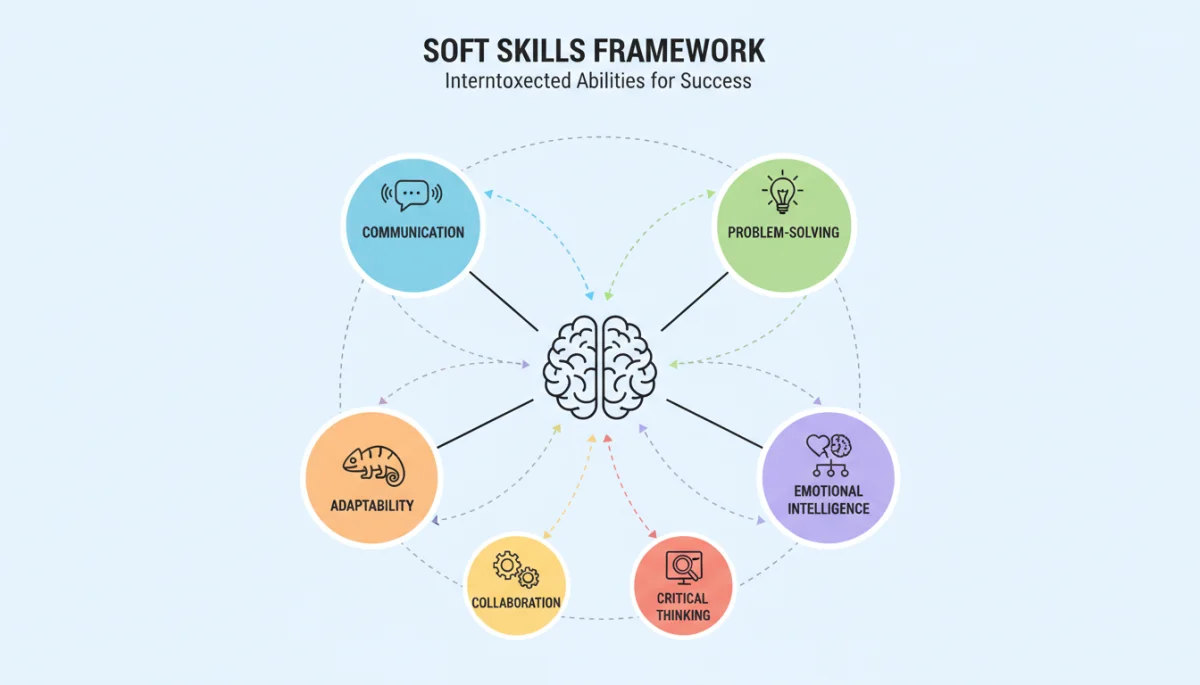
By providing context and outcomes, you demonstrate the real-world impact of your soft skills. This approach makes your resume more compelling and shows recruiters how you would contribute to their team beyond just technical tasks.
Personalizing Your Resume for Each Application
The era of the one-size-fits-all resume is long gone. In 2026, personalization is not just a recommendation; it’s a necessity. Applicant Tracking Systems (ATS) and human recruiters alike are looking for resumes that directly address the specific requirements and keywords outlined in the job description. Generic applications are quickly filtered out.
Tailoring your resume shows a genuine interest in the role and company, and it significantly increases your chances of passing initial screening stages. This involves more than just swapping out a few words; it requires a thoughtful analysis of each job posting.
Strategies for Effective Personalization
Make personalization a core part of your application strategy:
- Keyword Optimization: Identify key terms and phrases from the job description and strategically incorporate them into your resume, especially in your summary, skills, and experience sections.
- Quantifiable Achievements: Align your accomplishments with the desired outcomes mentioned in the job posting. If the role emphasizes sales growth, highlight your sales achievements.
- Company Culture Fit: Research the company’s values and mission. If appropriate, subtly weave in language that reflects an understanding of their culture, without being disingenuous.
Remember, personalization is about demonstrating relevance. It tells the employer that you’ve done your homework and that you genuinely believe you are the best fit for their specific needs. This small investment of time can yield significant returns.
Optimizing for Applicant Tracking Systems (ATS)
With the vast number of applications companies receive, Applicant Tracking Systems (ATS) are critical gatekeepers in the hiring process. In 2026, nearly all mid-to-large companies in the U.S. will rely heavily on ATS to filter and rank resumes. If your resume isn’t optimized for these systems, it may never reach a human recruiter.
Understanding how ATS works and structuring your resume accordingly is no longer optional. It’s a fundamental step in ensuring your application gets seen. This means focusing on clarity, standard formatting, and strategic keyword placement.
ATS-Friendly Resume Best Practices
To ensure your resume passes ATS screening:
- Standard File Formats: Always submit your resume as a PDF unless explicitly asked for a Word document. PDFs maintain formatting across different systems.
- Clear Headings: Use standard headings (e.g., “Experience,” “Education,” “Skills”) that ATS can easily recognize and parse. Avoid creative or obscure titles.
- Keyword Integration: As mentioned, incorporate keywords from the job description naturally throughout your resume. ATS scans for these terms to determine relevance.
- Simple Formatting: Avoid complex graphics, intricate tables, or unusual fonts that can confuse ATS. Stick to clean, readable layouts.
An ATS-optimized resume is not just about getting past a machine; it’s about presenting your information in a clear, logical, and accessible way that benefits both automated systems and human eyes.
Developing Your Personal Brand and Online Presence
In 2026, your resume is just one component of your overall professional narrative. Recruiters increasingly look beyond the document to assess your personal brand and online presence. A strong, consistent online identity reinforces your resume and provides a more holistic view of your skills, experience, and professional persona.
This includes platforms like LinkedIn, professional portfolios, and even contributions to industry-specific forums or blogs. Your online footprint should align with and enhance the story your resume tells, demonstrating your expertise and engagement within your field.
Cultivating a Professional Online Identity
Ensure your online presence supports your career goals:
- LinkedIn Profile: Keep your LinkedIn profile updated, mirroring your resume but expanding on achievements, recommendations, and thought leadership.
- Online Portfolio: For creative, technical, or project-based roles, a well-curated online portfolio showcasing your work is invaluable.
- Professional Social Media: Be mindful of your activity on all social media platforms. Ensure anything publicly accessible reflects positively on your professional image.
- Thought Leadership: Consider sharing insights, commenting on industry trends, or contributing articles to establish yourself as an expert.
Your personal brand is a powerful tool for differentiation. It allows recruiters to gain a deeper understanding of who you are as a professional, beyond the bullet points on a page, and can significantly boost your credibility.
Quantifying Achievements with Data
One of the most impactful ways to strengthen your resume for the 2026 job market is by quantifying your achievements with data. Vague statements like ‘responsible for increasing sales’ hold far less weight than ‘increased sales by 20% over 12 months, contributing an additional $500,000 in revenue.’ Numbers provide concrete evidence of your impact and value.
Employers are looking for results-driven candidates who can demonstrate a tangible return on investment. Quantifying your accomplishments helps recruiters quickly grasp the scope of your responsibilities and the significance of your contributions.
Making Your Impact Measurable
Review every bullet point on your resume and ask yourself: ‘Can I add a number here?’
- Financial Impact: Increased revenue, reduced costs, managed budgets of X amount.
- Efficiency Gains: Streamlined processes, reduced processing time by Y%, improved productivity.
- Growth Metrics: Grew team from X to Y, expanded customer base by Z%, increased user engagement.
- Project Scale: Managed projects with budgets up to $X, led teams of Y members, oversaw Z number of deliverables.
Even in roles that aren’t directly sales or finance-related, you can often find ways to quantify your work. Think about time saved, errors reduced, satisfaction scores improved, or the number of people trained. Data-backed achievements make your resume far more compelling and memorable.
Incorporating a Skills-Based Approach
As job roles evolve rapidly, a purely chronological resume can sometimes obscure your most relevant and in-demand skills. In 2026, a skills-based approach, especially for those with diverse career paths, career changers, or those re-entering the workforce, can be highly effective. This method emphasizes your capabilities and competencies first, followed by your work history.
This approach allows you to directly align your skills with the requirements of the target role, making it easier for both ATS and human reviewers to see your immediate fit. It helps bridge gaps in traditional work history by highlighting transferable skills.
Structuring a Skills-Based Resume
If a skills-based approach suits your situation, consider this structure:
- Professional Summary/Objective: A concise introduction highlighting your most relevant skills and career goals.
- Key Skills Section: A prominent section detailing your core competencies, grouped by categories (e.g., Technical Skills, Project Management, Communication).
- Relevant Experience: A chronological list of your work history, but with bullet points focused on how you applied the skills listed above.
- Education and Certifications: Standard sections for your academic background and any relevant professional training.
A skills-based resume is particularly powerful when you are targeting a new industry or role where your past job titles might not immediately convey your capabilities. It shifts the focus from ‘what you did’ to ‘what you can do,’ which is increasingly important in a dynamic job market.
| Key Update | Brief Description |
|---|---|
| Digital & AI Competence | Showcase specific AI tools and digital platforms used, with quantifiable results. |
| Soft Skills Integration | Embed examples of communication, problem-solving, and adaptability within job descriptions. |
| Quantifiable Achievements | Use numbers and data to demonstrate impact (e.g., ‘increased sales by 15%’). |
| Personalized Content | Tailor your resume for each application, using keywords from the job description. |
Frequently Asked Questions About Resume Updates for 2026
AI competence is crucial because many industries are integrating AI tools for efficiency and innovation. Demonstrating familiarity with AI shows you are future-ready, adaptable to new technologies, and can leverage advanced tools to drive results, making you a more valuable candidate.
Instead of merely listing soft skills, integrate them into your experience descriptions with concrete examples. For instance, describe how your communication skills led to a successful project outcome or how problem-solving resulted in quantifiable improvements.
Yes, customizing your resume is more important than ever. It helps bypass Applicant Tracking Systems (ATS) and shows recruiters your genuine interest and alignment with the specific role and company culture. Generic resumes often get overlooked.
An online professional presence, such as an updated LinkedIn profile or portfolio, acts as an extension of your resume. It allows recruiters to gain a deeper, more dynamic understanding of your skills, expertise, and personal brand, enhancing your overall candidacy.
Generally, focus on the most recent 10-15 years of relevant experience. For older roles, emphasize transferable skills and significant achievements that directly relate to your target job, or consider a skills-based resume format to highlight current competencies.
Conclusion
The U.S. job market in 2026 demands a forward-thinking approach to resume building. By integrating digital and AI competencies, showcasing soft skills with tangible examples, personalizing each application, and maintaining a strong online presence, you can significantly enhance your appeal to prospective employers. Future-proofing your resume isn’t just about adapting to change; it’s about proactively positioning yourself as a valuable, indispensable asset in an increasingly dynamic professional landscape. Start implementing these updates today to secure your career success tomorrow.
