Financial Resilience: 6-Month Personal Finance Safety Net
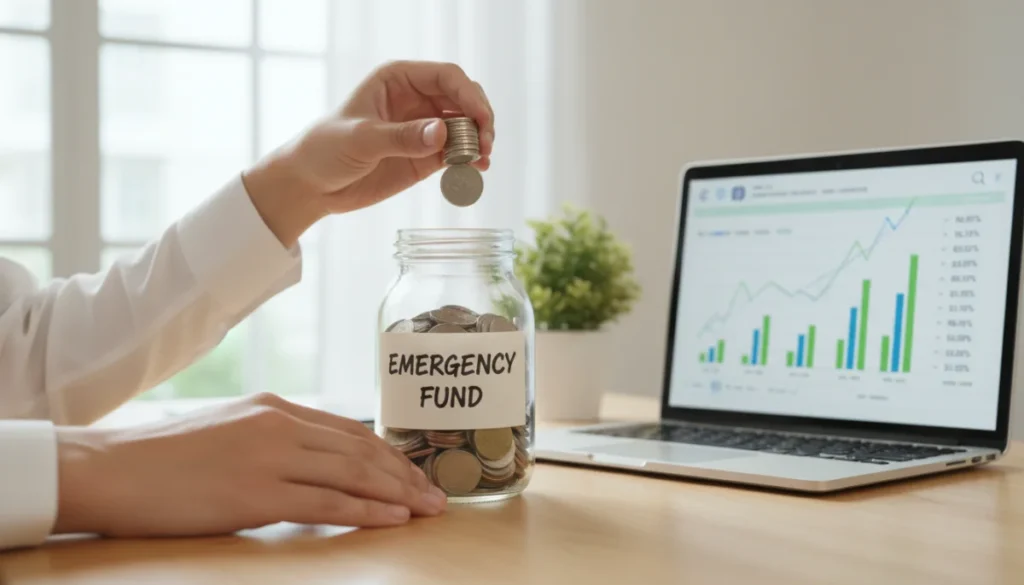
Building a robust 6-month financial safety net is crucial for navigating the shifting U.S. economy and achieving lasting personal financial resilience.
In today’s ever-changing economic landscape, establishing strong financial resilience safety net is not just a recommendation; it’s a necessity. The U.S. economy, with its periodic shifts and uncertainties, demands a proactive approach to personal finance, making a 6-month emergency fund a cornerstone of stability.
Understanding the Shifting U.S. Economic Landscape
The U.S. economy is a dynamic entity, constantly influenced by global events, technological advancements, and domestic policies. Understanding these shifts is the first step towards building a robust financial safety net. From inflation concerns to interest rate fluctuations, the economic environment directly impacts our purchasing power and financial security.
Recent years have highlighted the unpredictable nature of economic cycles. Job markets can shift rapidly, industries can transform, and unforeseen crises can emerge. Being aware of these trends allows individuals to anticipate potential challenges and prepare accordingly, rather than reacting in a state of panic.
Key Economic Indicators to Watch
Monitoring certain economic indicators can provide valuable insights into the health and direction of the U.S. economy. This knowledge empowers you to make informed financial decisions.
- Inflation Rates: High inflation erodes purchasing power, making your savings worth less over time.
- Unemployment Data: A rising unemployment rate signals potential job insecurity across various sectors.
- Interest Rates: Changes in interest rates affect borrowing costs and returns on savings accounts.
- GDP Growth: Gross Domestic Product (GDP) indicates the overall economic output; sustained low growth can signal stagnation.
By keeping an eye on these indicators, you can better gauge the economic climate and understand the urgency of strengthening your financial position. This informed perspective is vital for anyone aiming to build true financial resilience.
Navigating the complexities of the U.S. economy requires more than just passive observation; it demands active participation in your financial well-being. Recognizing the inherent volatility and preparing for it is the foundation upon which a secure financial future is built.
Defining Your 6-Month Emergency Fund Goal
A 6-month emergency fund is often cited as the gold standard for financial security. This means having enough liquid savings to cover your essential living expenses for half a year, should you lose your income or face an unexpected major expense. Defining this goal precisely is critical for success.
Many people underestimate the true cost of their essential living expenses. It’s not just about rent or mortgage payments; it includes utilities, groceries, transportation, insurance premiums, and any recurring debt payments. A thorough assessment is necessary to set an accurate target.
Calculating Your Monthly Essential Expenses
To determine your 6-month goal, you first need to meticulously calculate your monthly essential expenses. This isn’t about discretionary spending; it’s about the bare minimum you need to survive comfortably.
- Housing: Rent/mortgage, property taxes, home insurance.
- Utilities: Electricity, water, gas, internet (essential for modern life/job searching).
- Food: Groceries, not restaurant meals or takeout.
- Transportation: Car payments, insurance, gas, or public transport fares.
- Healthcare: Insurance premiums, essential medications.
- Minimum Debt Payments: Credit card minimums, student loan minimums (though paying more is ideal).
Once you have a clear figure for your essential monthly expenses, multiply it by six to establish your emergency fund target. This concrete number provides a powerful motivator and a clear roadmap for your savings efforts.
Setting a realistic and well-defined emergency fund goal transforms an abstract concept into an actionable plan. This clarity ensures that every dollar saved contributes directly to your overarching objective of financial security.
Strategies for Rapid Emergency Fund Accumulation
Building a substantial emergency fund requires discipline and strategic planning. While it may seem daunting, several effective strategies can accelerate your savings journey. The key is to be intentional and consistent.
One of the most impactful strategies is to automate your savings. By setting up automatic transfers from your checking account to your dedicated emergency fund savings account each payday, you remove the temptation to spend the money. This ‘pay yourself first’ approach ensures consistent progress.
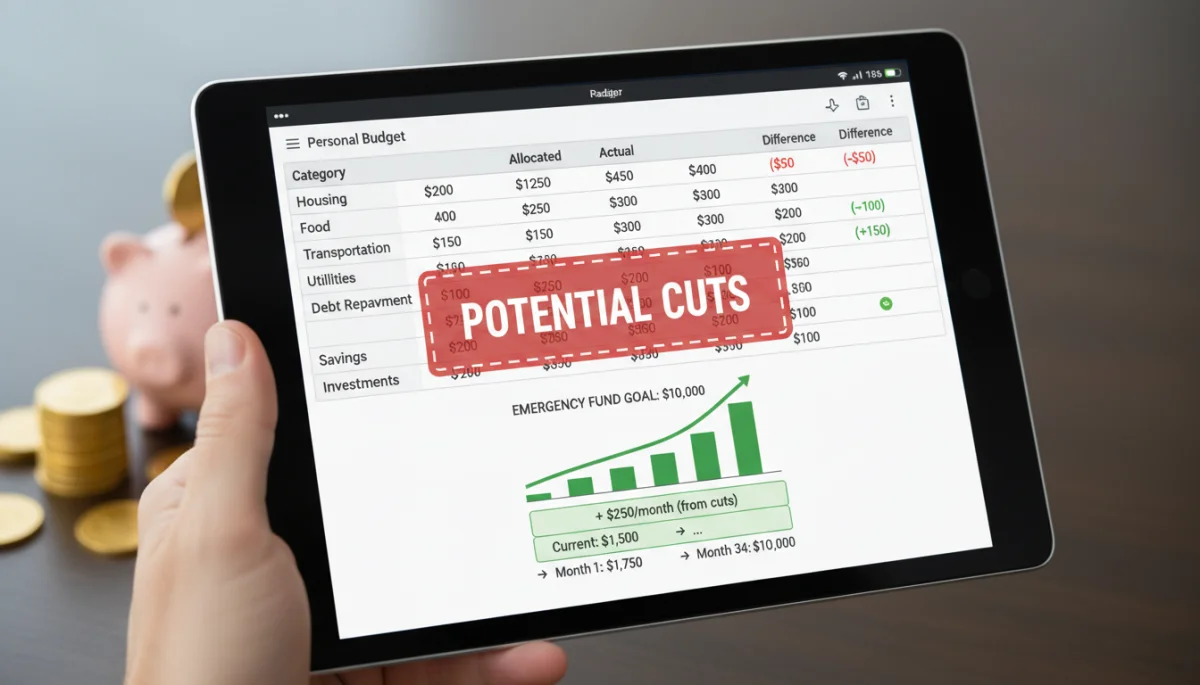
Cutting Non-Essential Expenses
A deep dive into your spending habits can reveal numerous opportunities to free up cash for your emergency fund. This often involves making temporary sacrifices for long-term gain.
- Review Subscriptions: Cancel unused streaming services, gym memberships, or app subscriptions.
- Reduce Dining Out: Prepare more meals at home, pack lunches, and limit coffee shop visits.
- Re-evaluate Entertainment: Look for free or low-cost entertainment options.
- Shop Smarter: Utilize sales, store brands, and meal planning to reduce grocery bills.
Every dollar saved from non-essential spending can be redirected straight into your emergency fund, significantly boosting your accumulation speed. This exercise also fosters a greater awareness of your spending patterns.
Boosting Your Income Streams
Beyond cutting expenses, finding ways to increase your income can dramatically shorten the time it takes to reach your 6-month goal. This could involve temporary side hustles or leveraging existing skills.
- Freelancing: Offer services in your area of expertise, such as writing, graphic design, or consulting.
- Gig Economy: Explore ride-sharing, food delivery, or task-based apps for flexible income.
- Sell Unused Items: Declutter your home and sell items you no longer need on online marketplaces.
- Overtime/Bonus: If available, direct any extra earnings directly to your emergency fund.
Combining expense reduction with income generation creates a powerful synergy, propelling you towards your emergency fund target much faster. Every extra dollar earned and saved brings you closer to financial peace of mind.
Aggressive saving and strategic income generation are the cornerstones of rapid emergency fund accumulation. By implementing these strategies, you’re not just saving money; you’re actively building a stronger, more resilient financial future.
Where to Store Your Emergency Fund
Once you start accumulating your emergency fund, the next crucial decision is where to store it. The primary goals for this money are safety, accessibility, and liquidity. Growth is a secondary concern, as the fund’s purpose is not investment but immediate availability.
Traditional checking accounts often offer low interest rates and can make it too easy to accidentally spend emergency funds. A dedicated, separate account is highly recommended to avoid commingling these vital savings with your everyday spending money.
High-Yield Savings Accounts (HYSAs)
High-Yield Savings Accounts are an excellent option for emergency funds. They offer significantly higher interest rates than traditional savings accounts, allowing your money to grow modestly while remaining liquid.
- Better Returns: Earn more interest on your savings compared to standard accounts.
- FDIC Insured: Accounts are typically FDIC insured up to $250,000 per depositor, ensuring safety.
- Easy Access: Funds can usually be transferred to your checking account within 1-3 business days.
- Separate Account: Keeps your emergency money distinct from daily spending.
Look for online banks that often offer the most competitive HYSA rates due to lower overhead costs. Ensure there are no monthly fees that could eat into your savings.
Money Market Accounts (MMAs)
Money Market Accounts are another viable option, offering a blend of savings and checking account features, often with competitive interest rates.
- Competitive Rates: Often similar to HYSAs, sometimes with tiered rates based on balance.
- Check-Writing Privileges: Some MMAs offer limited check-writing or debit card access, providing liquidity.
- FDIC Insured: Like HYSAs, MMAs are typically FDIC insured.
While MMAs offer more flexibility than HYSAs, always check for potential minimum balance requirements or transaction limits that could impact your access or incur fees. The key is to find a balance between earning potential and immediate availability.
Choosing the right vehicle for your emergency fund is crucial for maintaining its integrity and accessibility. Prioritize safety and liquidity, ensuring your funds are ready when you need them most, without unnecessary delays or risks.
Maintaining Your Emergency Fund in a Shifting Economy
Building a 6-month emergency fund is a significant achievement, but maintaining it, especially in a dynamic economic environment, requires ongoing vigilance. It’s not a ‘set it and forget it’ endeavor; rather, it’s a living, breathing component of your financial plan.
Economic shifts, such as inflation, can subtly erode the value of your emergency savings over time. What constitutes a 6-month safety net today might only cover 5.5 months of expenses next year if your costs increase and your fund doesn’t.
Regularly Review and Adjust
Periodically, ideally annually or whenever there’s a significant life change, review your emergency fund. This involves reassessing your essential living expenses and ensuring your fund still meets the 6-month target.
- Track Expenses: Monitor your spending to catch any increases in essential costs.
- Account for Inflation: Factor in the rising cost of goods and services when recalculating your target.
- Life Changes: Marriage, children, new home, or a job change can all alter your financial needs.
- Income Fluctuations: If your income changes, your emergency fund strategy might need adjustment.
Adjusting your emergency fund means topping it up if your expenses have risen or if you’ve had to dip into it for a true emergency. This proactive approach ensures its effectiveness.
Resisting the Urge to Dip In
The temptation to use your emergency fund for non-emergencies can be strong. However, maintaining its integrity is paramount. Clearly define what constitutes an ’emergency’ for yourself and stick to it.
- True Emergencies: Job loss, medical crisis, unexpected major home repair, car breakdown (if essential for work).
- Non-Emergencies: Vacation, new gadget, down payment on a luxury item, holiday shopping.
If you do need to use your emergency fund, prioritize replenishing it as quickly as possible. Treat it as a critical financial resource that must always be at its optimal level.
Maintaining your emergency fund is an ongoing commitment to your financial well-being. Regular reviews, adjustments, and disciplined adherence to its purpose will ensure it remains a reliable safety net through all economic conditions.
Integrating Your Safety Net into Broader Financial Planning
While an emergency fund is a standalone critical component, its true power is realized when it’s integrated into a comprehensive financial plan. It serves as the foundation, allowing other financial goals, such as investing for retirement or saving for a down payment, to proceed with less risk.
Without a solid safety net, unexpected life events can derail even the most carefully constructed financial plans, forcing individuals to tap into retirement savings or incur high-interest debt. The emergency fund acts as a buffer against these setbacks.
Prioritizing Financial Goals
Building your 6-month emergency fund should generally be one of your top financial priorities, often coming before aggressive investment in the stock market or significant debt repayment beyond the minimums (excluding high-interest debt).
- Emergency Fund First: Establish this foundation before focusing on other long-term goals.
- High-Interest Debt: Tackle credit card debt or payday loans simultaneously, as their cost can quickly negate savings.
- Retirement Savings: Contribute enough to employer-matched 401(k) plans, but prioritize emergency fund completion if not yet fully funded.
This tiered approach ensures that you protect your present and immediate future before aggressively pursuing distant goals. It creates a robust framework where each financial element supports the others.
Building on Your Foundation
Once your emergency fund is fully funded, you can confidently shift your focus to other financial objectives, knowing you have a secure base.
- Debt Reduction: Accelerate payments on student loans, car loans, and mortgages.
- Investment Growth: Increase contributions to retirement accounts (401k, IRA) and explore other investment vehicles.
- Long-Term Savings: Save for specific goals like a home purchase, child’s education, or starting a business.
The emergency fund empowers you to take calculated risks and pursue growth opportunities without the constant worry of financial collapse if something goes wrong. It transforms financial planning from a reactive process into a proactive, empowering journey.
Integrating your 6-month safety net into your broader financial planning provides a sense of security and freedom. It allows you to build wealth and pursue your aspirations with confidence, knowing you are prepared for whatever economic shifts may come.
The Psychological Benefits of Financial Resilience
Beyond the tangible monetary security, building a strong financial safety net offers profound psychological benefits. In an economy that often feels uncertain, having financial resilience can significantly reduce stress and improve overall well-being. This sense of control is invaluable.
The anxiety associated with financial instability can permeate every aspect of life, affecting relationships, work performance, and mental health. An emergency fund acts as a powerful antidote to this chronic stress, fostering a sense of peace and confidence.
Reduced Stress and Anxiety
Knowing that you have a financial buffer against unexpected events can dramatically lower stress levels. The fear of the unknown, particularly financial unknowns, is a major source of anxiety for many.
- Peace of Mind: Sleep better knowing you’re prepared for job loss or medical emergencies.
- Reduced Worry: Less time spent worrying about ‘what if’ scenarios.
- Improved Focus: More mental energy available for work, family, and personal growth.
- Better Decision-Making: Less likely to make impulsive, fear-driven financial choices.
This reduction in stress allows for clearer thinking and a more positive outlook, enabling individuals to engage with life’s challenges from a position of strength rather than vulnerability.
Increased Freedom and Opportunity
Financial resilience isn’t just about protection; it’s also about empowerment. An emergency fund can open doors to new opportunities and provide the freedom to make choices aligned with your values.
- Career Flexibility: The ability to leave a toxic job or pursue a passion project.
- Negotiating Power: Less pressure to accept unfavorable job offers.
- Risk-Taking: The capacity to take calculated risks, knowing you have a fallback.
- Financial Independence: A significant step towards true financial freedom.
The psychological benefits extend beyond individual well-being, fostering a more stable and resilient household. This allows families to navigate life’s ups and downs with greater equanimity and a shared sense of security.
Ultimately, building a 6-month financial safety net is an investment not just in your money, but in your mental and emotional health. It’s about creating a foundation of stability that empowers you to live a more fulfilling and less anxious life, even amidst economic shifts.
| Key Aspect | Brief Description |
|---|---|
| Emergency Fund Goal | Aims for 6 months of essential living expenses to cover unforeseen circumstances. |
| Accumulation Strategies | Focuses on expense reduction, income boosting, and automated savings to reach the goal faster. |
| Storage Options | Recommends high-yield savings accounts or money market accounts for safety and accessibility. |
| Psychological Benefits | Reduces stress and anxiety, fostering peace of mind and greater financial freedom. |
Frequently Asked Questions About Financial Resilience
A 6-month emergency fund provides a substantial buffer against most unforeseen financial setbacks, such as job loss, which can take several months to recover from. It offers peace of mind and prevents reliance on high-interest debt during crises.
Start small. Even saving $1,000 as a mini-emergency fund is a great first step. Then, gradually work towards 3 months, and eventually the full 6 months. Consistency and patience are key, not immediate perfection.
No, the primary purpose of an emergency fund is safety and immediate accessibility, not growth. Investing carries risk and can lock up your funds, making them unavailable when urgently needed. High-yield savings accounts are the best choice.
It’s advisable to review your emergency fund at least once a year, or whenever you experience a significant life event like a job change, marriage, or having children. This ensures it remains adequate for your current expenses.
An emergency fund covers unexpected crises, while a sinking fund saves for planned future expenses like a new car, vacation, or home repairs. Both are crucial for financial stability but serve different purposes.
Conclusion
Building a 6-month personal finance safety net is an indispensable strategy for achieving and maintaining financial resilience in the face of a shifting U.S. economy. This comprehensive approach, encompassing meticulous expense calculation, strategic savings accumulation, judicious fund storage, and ongoing maintenance, provides not only monetary security but also profound psychological benefits. By prioritizing this essential financial foundation, individuals can navigate economic uncertainties with confidence, reduce stress, and unlock greater freedom to pursue their long-term financial aspirations. It’s a proactive investment in your future well-being, ensuring you are prepared for whatever life and the economy may bring.
