Consumer Alert 2026: 5-Step Action Plan Against Online Scams

Understanding how to identify and report online shopping scams in 2026 is crucial for consumer safety, requiring vigilance and a clear action plan to protect personal and financial information effectively.
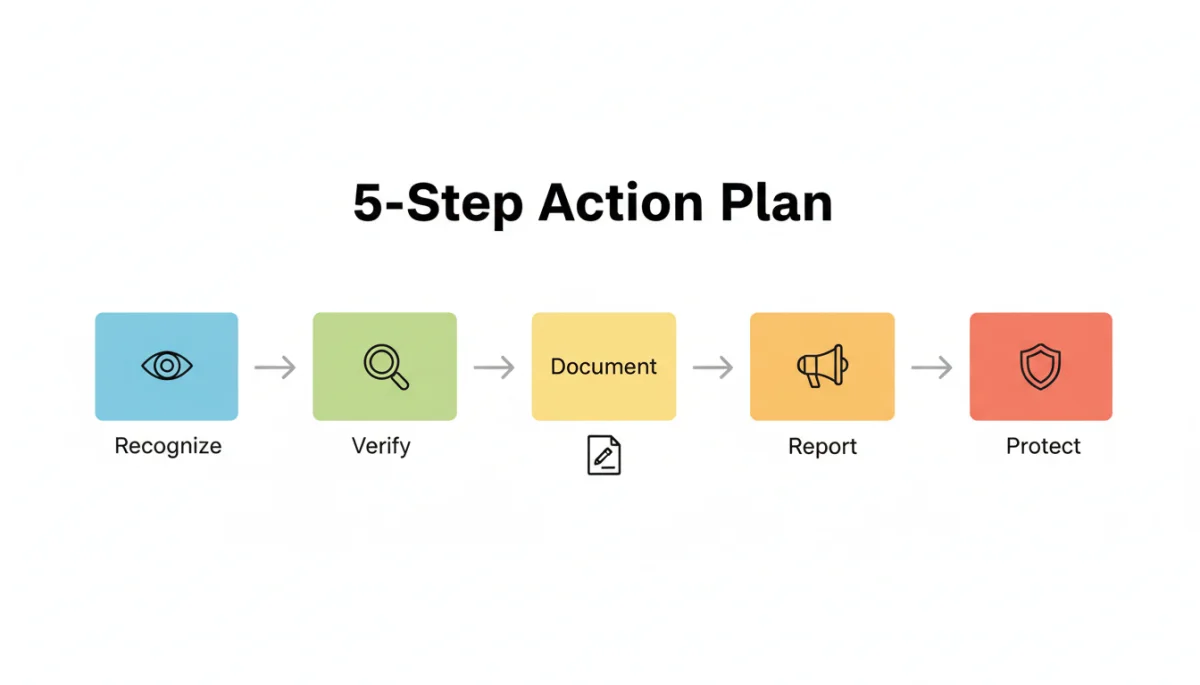
Navigating the digital marketplace in 2026 requires more than just a good internet connection; it demands an acute awareness of potential threats. This Consumer Alert 2026: Identifying and Reporting Online Shopping Scams – A 5-Step Action Plan will equip you with the essential knowledge and strategies to safeguard your online purchases and personal data from increasingly sophisticated fraudulent schemes.
The Evolving Landscape of Online Shopping Scams in 2026
The digital economy has brought unparalleled convenience, but with it, a surge in deceptive practices. As technology advances, so do the methods employed by scammers, making it harder for consumers to differentiate legitimate offers from fraudulent ones. The year 2026 sees a new wave of sophisticated online scams, often leveraging AI and deepfake technologies to create highly convincing fake websites, product reviews, and even customer service interactions.
These scams are no longer limited to simple phishing emails. They now encompass a broad spectrum of tactics, from elaborate fake storefronts mimicking popular brands to social media advertisements promoting non-existent or heavily misrepresented products. Understanding these evolving threats is the first step in building a robust defense against them. Consumers must be aware that scammers are constantly adapting, making continuous education on these issues paramount.
AI-Powered Deception
One of the most concerning developments in 2026 is the use of artificial intelligence to enhance scam effectiveness. AI can generate highly persuasive text for phishing emails, create realistic fake images and videos of products, and even power chatbots that mimic legitimate customer service agents. This makes it incredibly difficult for the average consumer to detect fraudulent activity through traditional means.
- Deepfake Product Videos: Scammers use AI to create convincing videos of products that don’t exist or are of inferior quality.
- Personalized Phishing: AI analyzes public data to craft highly personalized and believable phishing emails.
- Chatbot Impersonation: Fraudulent websites often feature AI-powered chatbots that appear helpful but are designed to extract personal information.
Social Media as a Scam Vector
Social media platforms continue to be fertile ground for scammers. Advertisements for unbelievably good deals, exclusive limited-time offers, or products that go viral are often fronts for fraudulent operations. These ads are designed to create a sense of urgency and bypass critical thinking, leading consumers to make impulsive purchases on fake websites.
The sheer volume of content on social media makes it challenging for platforms to police all fraudulent activity effectively. Scammers often create numerous fake accounts, making it a constant cat-and-mouse game for moderation teams. Therefore, users must exercise extreme caution when encountering enticing offers on their feeds, regardless of how many likes or shares they appear to have.
In conclusion, the online shopping environment in 2026 is more complex than ever. The integration of advanced technologies like AI into scamming tactics necessitates a proactive and informed approach from consumers. Staying updated on the latest scam trends is not just advisable; it’s essential for protecting your digital transactions.
Step 1: Recognize the Red Flags – Early Warning Signs
Identifying potential online shopping scams before they cause harm is critical. Scammers often rely on common psychological triggers and subtle inconsistencies that, once recognized, can save you from a costly mistake. Being vigilant about these red flags is your first line of defense in the digital marketplace of 2026.
Many fraudulent websites and offers share similar characteristics designed to deceive. These can range from unusually low prices to pressure tactics that rush you into a purchase. Developing a keen eye for these warning signs will significantly reduce your vulnerability to scams.
Unrealistic Deals and Pressure Tactics
One of the most common red flags is a deal that seems too good to be true. While legitimate sales exist, prices significantly below market value, especially for high-demand items, should immediately raise suspicion. Scammers often use these enticing offers to lure victims quickly.
- Extreme Discounts: Products offered at 70-90% off their retail price, particularly for luxury or popular electronics, are almost always fraudulent.
- Limited-Time Offers: Urgent messaging like ‘only 3 left!’ or ‘sale ends in 2 hours!’ without a clear, verifiable reason can be a tactic to rush your decision.
- Payment Demands: Requests for payment via unusual methods like cryptocurrency, gift cards, or wire transfers are major red flags.
Website and Communication Anomalies
Legitimate businesses invest heavily in their online presence and customer communication. Scammers, on the other hand, often overlook details that reveal their true nature. Pay close attention to the small print and the overall presentation of a website or communication.
Poor grammar, spelling errors, and awkward phrasing in website content or emails are strong indicators of a scam. Additionally, check the website’s URL carefully. Fraudulent sites often use addresses that are very similar to legitimate brands but with subtle differences, such as an extra letter or a different domain extension.
Furthermore, the absence of clear contact information, such as a physical address, phone number, or responsive customer service email, is a significant warning sign. Reputable businesses always provide multiple ways for customers to reach them, and they are typically transparent about their location and policies.
In summary, recognizing red flags is paramount in protecting yourself from online fraud. By critically evaluating deals, scrutinizing website details, and remaining wary of pressure tactics, you can proactively identify and avoid falling victim to online shopping scams.
Step 2: Verify Legitimacy – Research Before You Buy
Once you’ve identified potential red flags, the next crucial step in your online shopping scams 2026 defense is to verify the legitimacy of the seller and the offer. This involves a bit of research, but it’s a small investment of time that can save you significant financial losses and emotional distress. Trust but verify is a golden rule in online transactions.
Many consumers rush into purchases without performing due diligence, especially when faced with tempting deals. However, a few minutes of careful investigation can uncover fraudulent operations and protect your hard-earned money. This step empowers you to make informed decisions rather than impulsive ones.
Checking Company Information and Reviews
A legitimate company will have a verifiable online presence beyond just their shopping site. Start by searching for the company name, looking for official websites, social media profiles, and news articles. Pay close attention to customer reviews, but also be aware that reviews can be faked.
- Independent Review Sites: Check reputable review platforms (e.g., Better Business Bureau, Trustpilot) for customer feedback. Look for a consistent pattern of positive and negative reviews, not just overwhelmingly perfect scores.
- Social Media Presence: Verify if the company has active and professional social media pages. A lack of engagement or very recent creation dates can be suspicious.
- Contact Information: Ensure there’s a physical address, phone number, and email address readily available. Test the contact methods if you’re still unsure.
Website Security and Domain Analysis
The technical aspects of a website can reveal a lot about its trustworthiness. Reputable e-commerce sites prioritize security to protect customer data. Always look for signs that a website is secure before entering any personal or payment information.
Check for ‘HTTPS’ in the website’s URL and a padlock icon in your browser’s address bar. This indicates that the connection is encrypted. While not foolproof, its absence is a major red flag. Also, use online tools to check the domain registration details. Many scam sites are very new, registered recently, and have privacy protection that obscures the owner’s details, which can be a warning sign.
Furthermore, be wary of websites that only accept unusual payment methods. Legitimate online retailers typically offer secure options like major credit cards, PayPal, or other widely recognized payment processors. The absence of these, or insistence on gift cards or wire transfers, is a strong indicator of fraud.
By diligently verifying company details, scrutinizing reviews, and checking website security, you significantly strengthen your defense against online shopping scams. This proactive approach ensures that your money and personal information remain secure.
Step 3: Document Everything – Building Your Case
Should you suspect you’ve encountered or fallen victim to an online shopping scam, thorough documentation becomes your most powerful tool. This step is crucial for both reporting the incident effectively and potentially recovering any losses. Without proper records, your claims may lack the necessary evidence to be pursued by authorities or financial institutions.
Think of it as building a comprehensive case file. Every piece of information, no matter how small it seems, can contribute to painting a clear picture of the fraudulent activity. This meticulous approach ensures that when you report the scam, you provide all the necessary details for investigation.
What to Document
The more information you collect, the stronger your report will be. Start gathering evidence as soon as you suspect something is amiss. This includes screenshots, communication logs, and transactional records.
- Screenshots: Capture images of the website, product listings, advertisements, and any suspicious pop-ups. Ensure the URL and date are visible if possible.
- Communication: Save all emails, chat logs, and social media messages exchanged with the seller or customer service. This includes the initial offer, order confirmations, and any follow-up correspondence.
- Transaction Records: Keep detailed records of your payment, including bank statements, credit card statements, and any transaction IDs. Note the date, amount, and method of payment.
It’s also important to note down the specific dates and times of interactions. Even if you don’t have direct evidence for every single interaction, a chronological log can help investigators piece together the timeline of events. This level of detail can be particularly useful when dealing with sophisticated scams that involve multiple points of contact.
Organizing Your Evidence
Once you’ve collected your documentation, organize it in a clear and accessible manner. Create a dedicated folder on your computer or cloud storage for all related files. Label files clearly with dates and descriptions. This organization will make it much easier to retrieve specific information when you need to report the scam.
Consider creating a summary document that outlines the chronological sequence of events, referencing the evidence you’ve collected. This summary can serve as a quick guide for yourself and for anyone you report the scam to, ensuring that key details are not overlooked.
In conclusion, thorough documentation is an indispensable step in addressing online shopping scams. By systematically collecting and organizing all relevant information, you not only strengthen your ability to report the fraud but also maximize your chances of recovering any financial losses incurred.
Step 4: Report the Scam – Where and How to File a Complaint
Reporting an online shopping scam is a critical step, not only for your potential recovery but also for protecting other consumers. Your report contributes to a larger effort to identify and shut down fraudulent operations. Knowing where and how to file a complaint efficiently can make a significant difference in the outcome.
Many victims hesitate to report scams, either out of embarrassment or a belief that nothing can be done. However, every report, regardless of the amount of loss, provides valuable intelligence to law enforcement and consumer protection agencies, helping them to track patterns and apprehend perpetrators.
Key Agencies for Reporting Scams
In the United States, several organizations are dedicated to combating online fraud. Understanding their roles will help you direct your complaint to the most appropriate authority. It’s often beneficial to report to multiple agencies, as they each have different jurisdictions and investigatory powers.
- Federal Trade Commission (FTC): The FTC is the primary agency for collecting scam complaints. You can file a report at ReportFraud.ftc.gov. This data helps the FTC investigate and bring cases against fraudsters.
- Internet Crime Complaint Center (IC3): A partnership between the FBI and the National White Collar Crime Center, the IC3 is the go-to for reporting cyber crimes, including online shopping fraud. Their website is ic3.gov.
- State Attorney General’s Office: Your state’s Attorney General’s office may also have a consumer protection division that can assist with local complaints. Search for your state’s official website to find their consumer complaint portal.
Reporting to Financial Institutions and Platforms
Beyond government agencies, it’s crucial to inform your financial institutions and the platforms where the scam occurred. This includes your bank, credit card company, and the online marketplace or social media platform that hosted the fraudulent ad or seller.
Contact your bank or credit card company immediately to report unauthorized charges or fraudulent transactions. They can often reverse charges or initiate a chargeback process. Providing them with your detailed documentation (from Step 3) will expedite this process.
If the scam originated from a social media ad or an online marketplace (e.g., eBay, Amazon, Facebook Marketplace), report the seller or ad to the platform itself. These platforms have their own mechanisms for investigating and removing fraudulent accounts and content, which helps protect other users.
Reporting a scam might seem daunting, but it’s a vital step in taking action against fraudsters. By contacting the appropriate government agencies, financial institutions, and online platforms, you contribute to a safer online environment for everyone and increase your chances of recourse.
Step 5: Protect Yourself Moving Forward – Long-Term Security Measures
The final step in our Consumer Alert 2026: Identifying and Reporting Online Shopping Scams – A 5-Step Action Plan focuses on implementing long-term security measures to prevent future incidents. While immediate action is crucial after a scam, continuous vigilance and proactive protection are essential in the ever-evolving landscape of online threats. This step is about fortifying your digital defenses permanently.
Experiencing a scam can be a wake-up call, prompting you to re-evaluate your online habits. By adopting robust security practices, you can significantly reduce your risk of becoming a repeat victim. This involves a combination of technological safeguards and smart consumer behavior.
Enhancing Digital Security
Your digital security infrastructure plays a pivotal role in protecting you from online threats. Regularly updating your software and using strong, unique passwords are foundational elements of this defense.
- Strong, Unique Passwords: Use complex passwords for all online accounts and avoid reusing them. A password manager can help you manage these securely.
- Two-Factor Authentication (2FA): Enable 2FA wherever possible. This adds an extra layer of security, requiring a second verification step (e.g., a code sent to your phone) in addition to your password.
- Antivirus and Anti-Malware Software: Keep your security software updated to protect against malicious websites and downloads.
- Secure Network Usage: Avoid making online purchases or accessing sensitive information on public Wi-Fi networks, which are often unsecured.
Smart Shopping Habits and Continuous Education
Beyond technical safeguards, adopting smart shopping habits and staying informed about the latest scam trends are equally important. Consumer education is an ongoing process, given the dynamic nature of online fraud.
Always review your bank and credit card statements regularly for any suspicious activity. Small, unauthorized charges can be early indicators of compromised accounts. If you spot anything unusual, report it to your financial institution immediately, even if it seems minor.
Subscribe to consumer protection newsletters or follow reputable cybersecurity blogs to stay updated on new scam tactics. The more informed you are, the better equipped you’ll be to spot and avoid new threats. Be skeptical of unsolicited offers, especially those that arrive via email or social media, and always default to verifying legitimacy before engaging.
By implementing these long-term security measures and maintaining a proactive stance, you can significantly enhance your resilience against online shopping scams. Protecting yourself in the digital age is an ongoing commitment, but one that is well worth the effort for your peace of mind and financial security.
The Future of Online Consumer Protection in 2026
As we look ahead to the remainder of 2026 and beyond, the landscape of online consumer protection is continuously evolving. The increasing sophistication of online shopping scams necessitates a multi-faceted approach involving technological advancements, regulatory frameworks, and heightened consumer awareness. Future trends suggest a greater reliance on AI for both protection and deception, making the need for informed consumers more critical than ever.
Governments, tech companies, and consumer advocacy groups are working collaboratively to develop more robust safeguards. However, these efforts can only go so far without active participation from the public. Each consumer plays a vital role in the collective defense against online fraud.
Technological Advancements in Fraud Detection
Artificial intelligence and machine learning are increasingly being deployed to detect and prevent online scams. These technologies can analyze vast amounts of data to identify patterns indicative of fraudulent activity, often in real-time. This includes flagging suspicious transaction behaviors, identifying fake product reviews, and detecting anomalies in website code.
- Behavioral Analytics: AI systems monitor user behavior to identify deviations that might signal a compromised account or a fraudulent transaction.
- Predictive Modeling: Machine learning algorithms predict emerging scam trends based on historical data and current threat intelligence.
- Enhanced Authentication: Biometric authentication and advanced encryption techniques are becoming more commonplace, offering stronger protection than traditional passwords.
Regulatory Frameworks and Industry Standards
Governments worldwide are recognizing the urgent need for stronger regulations to combat online fraud. In 2026, we can expect to see more stringent laws regarding data privacy, platform accountability, and consumer recourse for financial losses due to scams. These regulations aim to create a safer digital environment by imposing greater responsibility on online businesses and service providers.
Industry standards are also evolving, with a greater emphasis on transparency and security. E-commerce platforms are implementing stricter vetting processes for sellers and advertisers, and payment processors are enhancing their fraud detection capabilities. However, these measures are often reactive, constantly playing catch-up with the rapid innovation of scammers.
Ultimately, the future of online consumer protection hinges on a dynamic interplay between advanced technology, effective regulation, and an educated populace. While the fight against online shopping scams will always be ongoing, continuous adaptation and collaboration are key to minimizing their impact and ensuring a safer digital shopping experience for everyone.
Empowering Your Online Shopping Experience
Empowering yourself in the digital marketplace means taking proactive steps to ensure your safety and security. It’s not just about avoiding scams, but about cultivating a confident and informed approach to online shopping. By embracing knowledge and vigilance, you transform from a potential victim into a resilient consumer, capable of navigating the complexities of 2026’s e-commerce landscape.
This empowerment comes from understanding the tools and strategies available to you, from recognizing subtle red flags to knowing exactly how and where to report fraudulent activity. It’s a continuous journey of learning and adaptation, ensuring that your online experiences remain positive and secure.
Building Consumer Resilience
Consumer resilience against online scams is built upon a foundation of critical thinking and healthy skepticism. Instead of automatically trusting every online offer, adopt a mindset of ‘verify before you buy.’ This doesn’t mean becoming overly paranoid, but rather exercising a sensible level of caution.
- Critical Evaluation: Always question unusually good deals or unsolicited communications. If something feels off, investigate further.
- Information Sharing: Share your knowledge about scams with friends and family. A community that is informed is a community that is protected.
- Staying Updated: Regularly consult reputable sources for updates on new scam tactics and consumer protection advice.
Advocacy and Collective Action
Beyond individual actions, collective advocacy plays a significant role in shaping a safer online environment. By reporting scams and supporting consumer protection initiatives, you contribute to a broader movement that pressures platforms and policymakers to implement more effective safeguards.
Engage with consumer advocacy groups and participate in public awareness campaigns. Your voice, combined with others, can drive meaningful change in how online fraud is addressed. Remember, the digital world is a shared space, and collective responsibility is key to making it secure for everyone.
In conclusion, empowering your online shopping experience is an ongoing commitment to being an informed, vigilant, and proactive consumer. By integrating the five-step action plan into your digital habits, you not only protect yourself but also contribute to a safer and more trustworthy online marketplace for all.
| Key Action | Brief Description |
|---|---|
| Recognize Red Flags | Identify common scam indicators like unrealistic deals or poor website quality. |
| Verify Legitimacy | Research sellers, check reviews, and scrutinize website security before purchasing. |
| Document Everything | Collect screenshots, communications, and transaction records as evidence. |
| Report the Scam | File complaints with FTC, IC3, and financial institutions promptly. |
Frequently Asked Questions About Online Scams
Common signs include unbelievably low prices, pressure tactics, poor grammar on websites, generic or missing contact information, and requests for payment via unconventional methods like gift cards or cryptocurrency. Always be skeptical of offers that seem too good to be true.
Verify by checking for ‘HTTPS’ in the URL, looking for consistent and varied customer reviews on independent sites, confirming clear contact details, and examining the domain registration date. Legitimate stores have a professional presence and transparent information.
Document everything: screenshots of the website, product listings, and ads; all communications with the seller (emails, chats); and detailed transaction records, including dates, amounts, and payment methods. This evidence is crucial for reporting and recovery efforts.
Report to the Federal Trade Commission (FTC) at ReportFraud.ftc.gov, the Internet Crime Complaint Center (IC3) at ic3.gov, and your state’s Attorney General’s office. Also, contact your bank or credit card company immediately for potential chargebacks.
Implement strong, unique passwords, enable two-factor authentication, keep antivirus software updated, and avoid public Wi-Fi for sensitive transactions. Regularly monitor bank statements and stay informed about new scam tactics to build lasting protection.
Conclusion
In the dynamic digital landscape of 2026, protecting yourself from online shopping scams is an ongoing necessity. This Consumer Alert 2026: Identifying and Reporting Online Shopping Scams – A 5-Step Action Plan provides a robust framework for safeguarding your online transactions and personal information. By diligently recognizing red flags, verifying legitimacy, meticulously documenting incidents, promptly reporting scams, and implementing long-term protective measures, consumers can navigate the e-commerce world with greater confidence and security. Staying informed and proactive is not just a recommendation; it’s a fundamental requirement for a safe and secure online shopping experience.
