Avoiding Common Scams in 2026: Protect Your Finances Annually

A comprehensive checklist for US consumers in 2026 is crucial for effectively identifying and avoiding common scams, safeguarding up to $5,000 annually.
In an increasingly digital world, the threat of financial fraud looms larger than ever. For US consumers, understanding and actively engaging in practices for avoiding common scams in 2026 is not just prudent, but essential for protecting hard-earned money. This comprehensive guide provides a vital checklist to help you safeguard your finances and potentially save up to $5,000 annually from the ever-evolving tactics of scammers.
Understanding the evolving scam landscape
The landscape of scams is constantly shifting, with criminals adopting sophisticated techniques to exploit vulnerabilities. What worked for them last year might be obsolete this year, but new, more cunning methods emerge. Staying informed about these changes is your first line of defense.
Scammers often leverage current events, technological advancements, and even seasonal trends to craft their schemes. From AI-generated deepfakes used in imposter scams to highly personalized phishing attacks, the sophistication is alarming. Understanding these evolving threats allows you to recognize red flags before you become a victim.
The rise of AI in scamming
Artificial intelligence is no longer a futuristic concept; it’s being actively weaponized by scammers. AI can generate convincing fake voices for grandparent scams, create hyper-realistic phishing emails, and even simulate video calls. This makes it harder to distinguish genuine communications from fraudulent ones.
- Voice cloning: Scammers use AI to mimic voices of loved ones, creating urgent pleas for money.
- Deepfake videos: Realistic but fake video calls can be used for imposter scams, especially in business contexts.
- Advanced phishing: AI helps craft grammatically perfect and contextually relevant emails, bypassing traditional spam filters.
Staying ahead means not just knowing what to look for, but also being skeptical of anything that seems too good to be true, or too urgent to verify. Always independently confirm requests for money or personal information, especially when received unexpectedly.
The key takeaway is that vigilance must be dynamic. Regularly updating your knowledge about new scam trends, subscribing to consumer protection alerts, and discussing potential threats with trusted individuals can significantly enhance your ability to navigate this complex environment safely.
Fortifying your digital defenses
In 2026, a significant portion of scams originates or propagates through digital channels. Strengthening your digital defenses is paramount to protecting your personal and financial information. This involves a multi-layered approach, from secure passwords to understanding privacy settings.
Many individuals overlook basic security measures, making them easy targets. Simple steps can drastically reduce your risk, turning you into a less appealing target for cybercriminals. It’s about creating a robust digital perimeter around your online life.
Password strength and multi-factor authentication
Weak or reused passwords are a hacker’s dream. Creating strong, unique passwords for each online account is fundamental. Even better, enable multi-factor authentication (MFA) wherever possible. MFA adds an extra layer of security, usually requiring a code from your phone in addition to your password.
- Use a password manager: These tools generate and store complex, unique passwords for you.
- Enable MFA: This significantly reduces the risk of account compromise, even if your password is stolen.
- Avoid public Wi-Fi for sensitive tasks: Public networks are often unsecured and vulnerable to eavesdropping.
Beyond passwords, be mindful of what you share online. Scammers often piece together information from social media profiles to make their attacks more convincing. Adjust your privacy settings to limit public access to personal details.
Regularly review your digital footprint. What information about you is easily accessible online? The less personal information a scammer can gather about you, the harder it is for them to craft a believable and effective scam. Proactive management of your digital presence is crucial for modern scam prevention.
Recognizing common imposter scams
Imposter scams remain one of the most prevalent and damaging forms of fraud. Scammers impersonate trusted entities—government officials, tech support, family members, or even romantic interests—to manipulate victims into sending money or divulging sensitive information. The emotional toll can be as devastating as the financial loss.
These scams thrive on urgency, fear, or emotional connection. They often create a high-pressure situation, making it difficult for the victim to think clearly or verify the claim. Learning to identify the tactics used in imposter scams is vital for your protection.
Government and tech support impersonations
Scammers frequently pretend to be from government agencies like the IRS or Social Security Administration, threatening arrest or legal action if immediate payment isn’t made. Similarly, fake tech support will claim your computer has a virus and demand remote access or payment for bogus repairs.
- IRS/SSA scams: These agencies will never demand immediate payment via gift cards or wire transfers.
- Tech support scams: Legitimate tech support will not unsolicitedly contact you to fix a non-existent problem.
- Utility scams: Threats of immediate utility cut-off unless paid instantly are almost always fraudulent.
Always verify the identity of anyone claiming to be from a reputable organization. Use official contact information, not the numbers or links provided by the suspicious caller or email. A legitimate organization will never pressure you into immediate action or demand payment in unusual forms.
Romance scams, where scammers build emotional relationships online only to request money for fabricated emergencies, are also on the rise. Be wary of anyone you haven’t met in person who asks for financial assistance. Emotional manipulation is a powerful tool for scammers, making critical thinking difficult.
Safeguarding against phishing and malware
Phishing and malware attacks are insidious threats designed to steal your data or compromise your devices. Phishing emails, texts, or calls attempt to trick you into revealing sensitive information, while malware secretly installs harmful software onto your computer or phone. Both can have severe financial consequences, from identity theft to direct monetary loss.
The sophistication of these attacks means that simply being aware isn’t enough; you need to develop a critical eye for suspicious communications and practice safe online habits. A moment of carelessness can lead to significant headaches and financial strain.
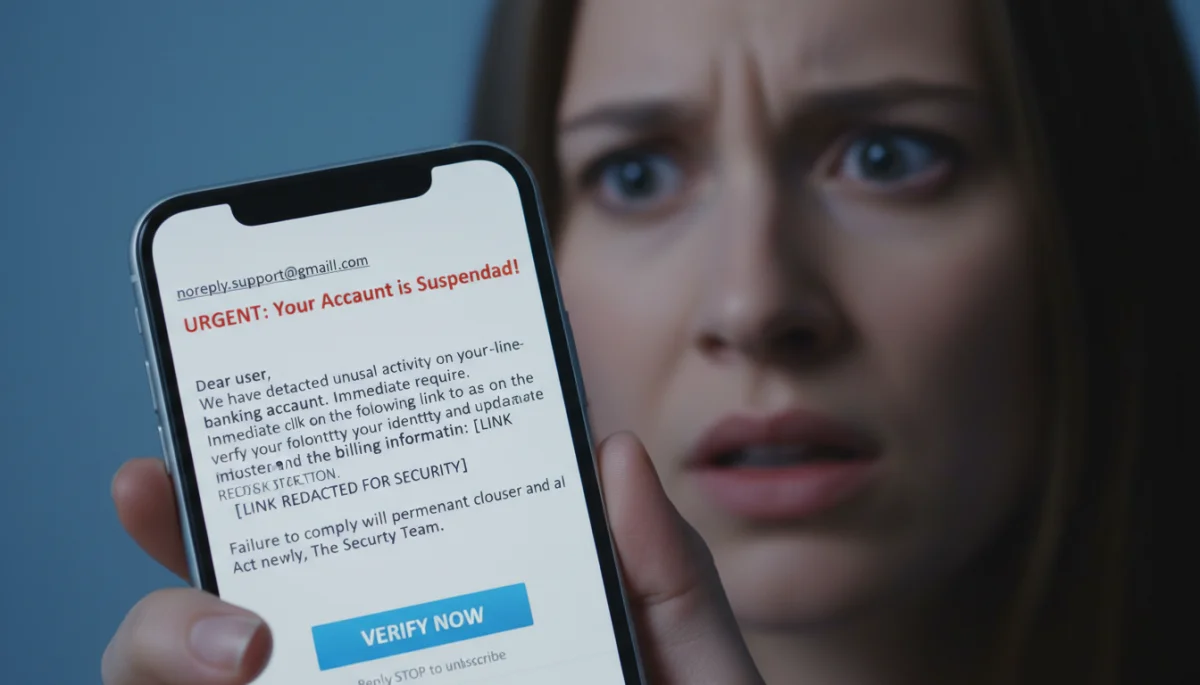
Identifying phishing attempts
Phishing messages often contain tell-tale signs: generic greetings, grammatical errors, urgent demands, suspicious links, or requests for personal information. They aim to create a sense of panic or curiosity that overrides your judgment.
- Check sender’s email address: Often slightly different from the legitimate domain.
- Hover over links: See the actual URL before clicking; if it looks suspicious, don’t click.
- Look for grammatical errors: Professional organizations rarely send out error-filled communications.
Malware can be hidden in seemingly innocent downloads, malicious websites, or even through infected USB drives. Always download software from official sources, keep your operating system and antivirus updated, and be cautious about opening email attachments from unknown senders.
Beyond individual actions, ensure your devices are protected with reputable antivirus and anti-malware software. Regular scans and prompt updates are essential. If you suspect your device is infected, disconnect it from the internet and seek professional help immediately to prevent further damage or data compromise.
Protecting your identity and personal data
Your personal data—Social Security number, bank account details, addresses, and even birthdates—is a goldmine for scammers. Identity theft can lead to fraudulent accounts being opened in your name, unauthorized purchases, and significant damage to your credit score. Proactive measures are essential to keep your identity secure.
Many individuals don’t realize their identity has been compromised until it’s too late, making prevention and early detection critical. Regularly monitoring your financial accounts and credit reports can provide early warnings.
Credit monitoring and fraud alerts
One of the most effective ways to protect your identity is to regularly monitor your credit reports and set up fraud alerts. The three major credit bureaus (Equifax, Experian, TransUnion) offer free annual credit reports, and you can also place fraud alerts or freezes on your credit.
- Review credit reports regularly: Look for unfamiliar accounts or inquiries.
- Set up fraud alerts: Notifies you when new credit is sought in your name.
- Consider a credit freeze: Prevents access to your credit report unless you unfreeze it.
Be extremely cautious about sharing personal information, especially over the phone or via email, unless you initiated the contact and are certain of the recipient’s legitimacy. Shred documents containing sensitive information before discarding them.
Also, be aware of data breaches. If a company you’ve done business with announces a data breach, take immediate steps to change your passwords and monitor your accounts even more closely. Prompt action can limit the damage from stolen information.
Smart financial habits for scam prevention
Beyond specific scam recognition, adopting smart financial habits forms a robust foundation for scam prevention. These practices not only protect you from fraud but also contribute to overall financial health. They involve being meticulous with your financial records, understanding banking security, and being skeptical of unusual financial requests.
Many scams succeed because they exploit a lack of financial literacy or an eagerness for quick returns. Cultivating a disciplined approach to your finances can make you less susceptible to these manipulations.
Regular account reconciliation and reporting
Regularly reviewing your bank statements, credit card bills, and investment accounts is crucial. Look for any unauthorized transactions, even small ones, as these can be early indicators of fraud. Report any suspicious activity immediately to your financial institution.
- Check statements frequently: Don’t wait for your monthly statement; review online accounts weekly.
- Set up transaction alerts: Receive notifications for activity on your accounts.
- Understand your bank’s fraud policies: Know how to report fraud and what your liability is.
Be wary of investment opportunities promising unusually high returns with little to no risk. These are classic red flags for investment scams. Always research investment firms and opportunities thoroughly before committing any funds, and consult with a trusted financial advisor.
Finally, never click on unsolicited links asking for financial details, and be cautious of emails or calls claiming to be from your bank requesting you to verify account information. Banks typically do not ask for sensitive details via email or phone. When in doubt, contact your bank directly using their official contact information.
| Key Protection Area | Brief Action to Take |
|---|---|
| Digital Security | Use strong, unique passwords and enable multi-factor authentication. |
| Scam Recognition | Learn common imposter tactics; verify unexpected requests independently. |
| Identity Protection | Monitor credit reports and consider credit freezes for vigilance. |
| Financial Vigilance | Regularly review bank statements and be wary of high-return investments. |
Frequently asked questions about scam prevention
While frequent password changes were once recommended, security experts now suggest focusing on strong, unique passwords for each account. Use a password manager to help, and enable multi-factor authentication. Change passwords immediately if a breach is suspected or an account is compromised.
MFA adds an extra layer of security beyond just a password. It typically requires a second verification step, like a code sent to your phone or a fingerprint scan. This makes it significantly harder for unauthorized users to access your accounts, even if they have your password.
Look for generic greetings, grammatical errors, urgent demands, suspicious links, or requests for personal information. Always check the sender’s email address for discrepancies and hover over links to see the actual URL before clicking. If it feels off, it probably is.
Immediately contact your bank or financial institution to report fraudulent transactions. Change all compromised passwords and place a fraud alert on your credit report. Report the scam to the Federal Trade Commission (FTC) and local law enforcement.
Absolutely. The average financial loss to scams can vary widely, but many individuals lose hundreds to thousands of dollars. By implementing the robust prevention strategies outlined in this guide, consumers can significantly reduce their vulnerability and protect substantial amounts of money annually.
Conclusion
Avoiding common scams in 2026 demands a proactive and informed approach. By understanding the evolving tactics of scammers, fortifying your digital defenses, recognizing imposter schemes, safeguarding your personal data, and adopting smart financial habits, you can significantly reduce your risk of becoming a victim. This comprehensive checklist empowers US consumers to navigate the complex landscape of modern fraud, protecting their financial well-being and potentially saving thousands of dollars each year. Stay vigilant, stay informed, and secure your financial future.
