Avoid Online Review Fraud in 2026: Spot Fake Testimonials
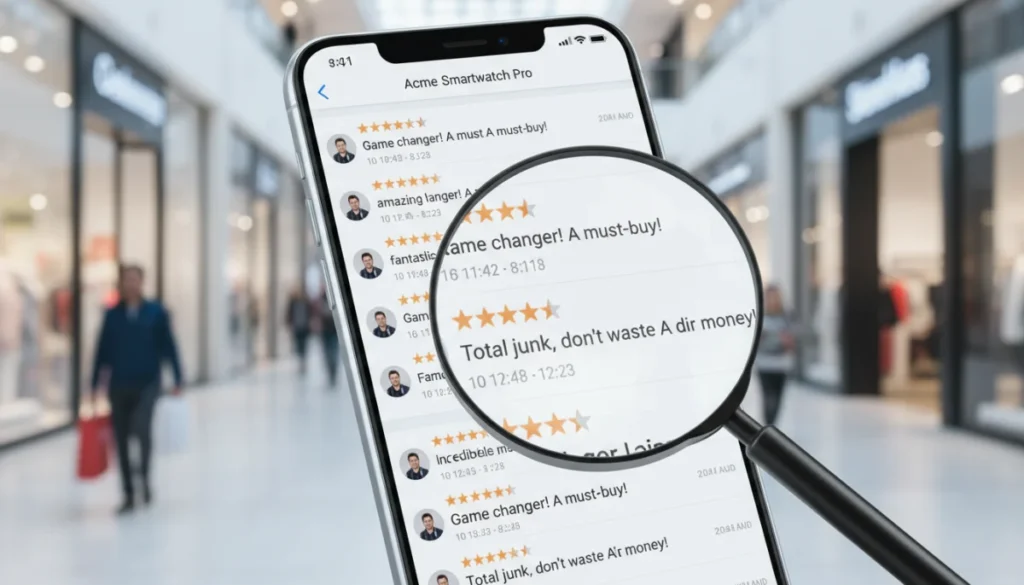
To effectively avoid online review fraud in 2026, consumers must develop a keen eye for six specific red flags that indicate fake testimonials, enabling them to make genuinely informed decisions in a saturated digital market.
In today’s digital landscape, online reviews are often the cornerstone of consumer trust, influencing purchasing decisions across virtually every industry. However, the pervasive issue of online review fraud has escalated, making it increasingly difficult for consumers to discern genuine feedback from fabricated endorsements. Understanding the evolving tactics of fraudsters and equipping yourself with the knowledge to identify fake testimonials is crucial for making informed choices in 2026.
The Evolving Landscape of Online Review Fraud
The digital marketplace has transformed how we shop and consume information, with online reviews serving as a primary source of social proof. Yet, this reliance has inadvertently created a fertile ground for deceptive practices. Fraudsters continuously refine their methods, making it harder for the average consumer to distinguish authentic experiences from strategically manufactured narratives.
As we move further into 2026, the sophistication of review fraud has reached new heights. It’s no longer just about poorly written, overly enthusiastic comments. We’re seeing more nuanced approaches, including AI-generated content, fake profiles with extensive but fabricated histories, and coordinated campaigns designed to artificially inflate or deflate product ratings. Recognizing this evolving threat is the first step toward protecting your purchasing power.
AI-Generated Reviews and Deepfakes
One of the most concerning developments is the use of artificial intelligence to generate reviews. AI can now produce text that is virtually indistinguishable from human writing, often incorporating subtle emotional cues and varied vocabulary. This makes it incredibly challenging to spot fakes based solely on linguistic analysis. Furthermore, deepfake technology is beginning to be employed in video testimonials, creating convincing but entirely fabricated endorsements.
- Sophisticated Language Models: AI tools can craft reviews that mimic human speech patterns, varied sentence structures, and emotional nuances.
- Fake Persona Development: AI can generate entire user profiles, including names, profile pictures, and even a history of activity, making the fake reviews seem more credible.
- Video Deepfakes: Advanced AI can create video testimonials featuring non-existent individuals or manipulating real people saying things they never did.
The rise of these advanced techniques necessitates a more critical and multi-faceted approach to evaluating online feedback. Consumers must look beyond surface-level indicators and delve deeper into the context and consistency of reviews.
Understanding the technological advancements driving review fraud is paramount. It allows consumers to anticipate new forms of deception and adapt their scrutiny accordingly. The digital world demands a constantly updated toolkit for critical evaluation.
Red Flag 1: Unnatural Volume and Timing of Reviews
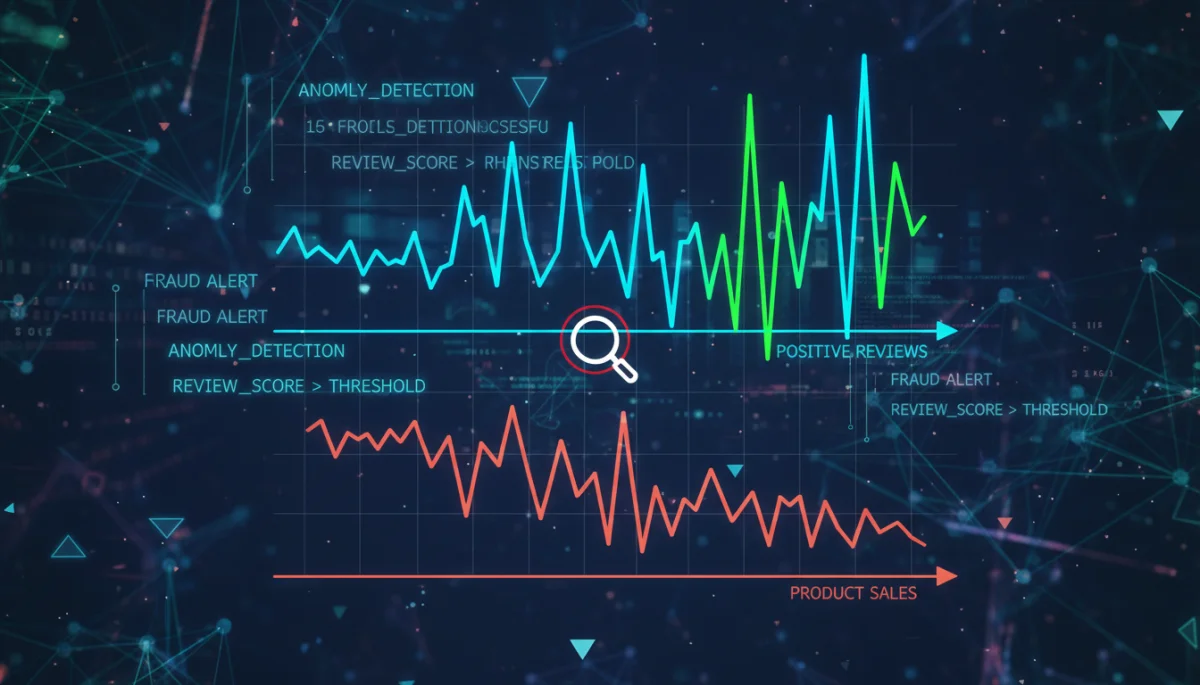
One of the clearest indicators of potential online review fraud in 2026 is an unusual pattern in the volume and timing of reviews. While a sudden surge in positive reviews might seem like a good sign, it often warrants a closer look, especially if it coincides with a product launch or a promotional push.
Authentic reviews tend to accumulate gradually over time, reflecting organic customer experiences. A sudden influx of reviews, particularly within a short period, can suggest a coordinated effort to boost a product’s rating artificially. This is a tactic often employed by sellers looking to quickly gain traction or recover from negative feedback.
Sudden Spikes in Positive Feedback
Keep an eye out for products that suddenly receive dozens or even hundreds of five-star reviews within a day or two, especially if prior reviews were sparse or mixed. This abrupt shift is highly suspicious and rarely indicative of genuine customer satisfaction.
- Product Launches: New products might see an initial rush, but sustained, rapid growth in positive reviews without corresponding sales growth is a red flag.
- Seasonal Promotions: While promotions can increase sales, an disproportionate increase in reviews compared to sales volume is suspicious.
- Competitor Attacks: Conversely, a sudden barrage of negative reviews targeting a competitor can also signal fraudulent activity.
Similarly, reviews that appear at odd hours, like late at night or very early in the morning, consistently, might point to review farms operating in different time zones. The natural rhythm of customer engagement usually follows typical waking hours.
Analyzing the timing and volume requires a historical perspective. Look at the product’s review history. Is this sudden surge an anomaly, or part of a consistent, organic growth pattern? Discrepancies here are strong indicators of potential manipulation.
Red Flag 2: Generic or Overly Enthusiastic Language
Another significant red flag when trying to avoid online review fraud in 2026 is the language used in the testimonials. While genuine enthusiasm exists, generic or excessively effusive language, especially when it lacks specific details, can be a major warning sign of fake reviews. Fraudsters often struggle to create nuanced, authentic-sounding feedback.
Real customers tend to describe specific aspects of a product or service, mentioning features they liked or disliked, their personal experience, and how the product solved a particular problem for them. Fake reviews, on the other hand, often resort to vague superlatives and broad statements that could apply to almost any product.
Lack of Specificity and Detail
A review that simply states, “This product is amazing! I love it!” without elaborating on what makes it amazing or how it was used should raise your suspicions. Genuine users typically offer concrete examples of their experience.
- Vague Praise: Phrases like “best product ever,” “highly recommend,” or “changed my life” without context.
- Repetitive Phrasing: Multiple reviews using very similar sentence structures or keywords, suggesting a template was used.
- Grammatical Errors (or lack thereof): While some fake reviews have obvious errors, increasingly, AI-generated content can be too perfect, lacking the minor imperfections of human writing.
Overly emotional language, either extremely positive or extremely negative, without a clear, detailed justification, can also be a red flag. Real emotions are usually tied to specific events or outcomes, which would be described in a genuine review.
When encountering such language, ask yourself if the review provides enough information for you to make an informed decision. If it doesn’t, and instead relies on generic praise or condemnation, it’s likely not from a real user.
Red Flag 3: Identical or Near-Identical Reviews Across Platforms
A strong indicator of organized online review fraud is the appearance of identical or strikingly similar reviews across different e-commerce platforms or even on various products from the same seller. This pattern suggests a coordinated effort rather than genuine, independent customer feedback.
While some dedicated customers might leave reviews on multiple sites, it’s rare for them to copy-paste the exact same text. Even if they do, the sheer volume of such occurrences across numerous reviews for a single product or brand should immediately trigger suspicion.
Copy-Paste Tactics and Template Use
Fraudsters often work with limited resources and may reuse content to maximize their output. This can involve directly copying reviews or using templates with slight variations in wording, making them identifiable upon closer inspection.
- Exact Duplicates: Finding the exact same review text, word for word, on Amazon, Yelp, Google, or the brand’s own website.
- Template Variations: Reviews with similar sentence structures, key phrases, and overall sentiment, but with minor changes in vocabulary.
- Cross-Product Duplication: The same review appearing for entirely different products from the same seller, indicating a lack of genuine experience with either item.
This red flag is particularly effective in combination with others. If you notice a product with an unnatural volume of reviews, and then discover that many of them are duplicates across platforms, the evidence for fraud becomes much stronger.
Take the time to cross-reference reviews, especially for high-value purchases. A quick search of suspicious phrases or entire sentences can often reveal widespread duplication, exposing a network of fake testimonials.
Red Flag 4: Reviewer Profile Inconsistencies
Examining the profiles of reviewers themselves can reveal significant red flags related to online review fraud in 2026. While a single review might be hard to judge, a pattern of inconsistencies within a reviewer’s profile often points to a fabricated identity or a review farm operation.
Genuine user profiles typically show a diverse range of purchases and interests, with reviews spread out over time. Fraudulent profiles, however, often exhibit highly suspicious patterns that betray their artificial nature.
Suspicious Reviewer History
Look for profiles that have only reviewed one specific product or brand, especially if all those reviews are overwhelmingly positive. A real consumer usually interacts with a variety of products and services.
- Single-Product Focus: A reviewer who has only ever reviewed one product or a very narrow range of products from the same seller.
- Rapid-Fire Reviews: A profile showing numerous reviews posted within minutes or hours of each other, often for unrelated items, indicating a bot or a paid reviewer.
- Unusual Purchase Patterns: Reviewers who have purchased a wide array of expensive or niche items in a short period, particularly if their profile information seems generic.
Another red flag is a profile with a generic or default avatar, an odd username, or a history of reviews that don’t seem to align with a consistent persona. These details are often overlooked by fraudsters trying to create many fake accounts quickly.
Always take a moment to click on the reviewer’s profile. A quick scan of their activity can often provide crucial insights into the authenticity of their feedback. Trust your instincts if something feels off.
Red Flag 5: Lack of “Verified Purchase” Badges
In 2026, many reputable e-commerce platforms have implemented features like “Verified Purchase” badges to help consumers identify reviews from actual buyers. The absence of this badge, especially for a large number of positive reviews, can be a significant red flag for online review fraud.
While not every genuine buyer will have a verified purchase badge (some platforms allow reviews from non-buyers, or the product might have been a gift), a disproportionate number of unverified positive reviews, particularly for a product with other suspicious indicators, warrants caution. Fraudulent reviewers often haven’t actually bought the product.
The Importance of Verification
A “Verified Purchase” badge typically means the platform has confirmed that the reviewer actually bought the item from their site. This adds a layer of credibility that unverified reviews lack.
- Platform Specifics: Understand how each platform (Amazon, Etsy, Best Buy, etc.) designates verified purchases, as their systems may vary.
- Suspicious Ratios: A product with hundreds of glowing reviews, but very few or no “Verified Purchase” tags, should be scrutinized heavily.
- Incentivized Reviews: Some platforms allow incentivized reviews to be marked, which, while not necessarily fake, should be considered differently than organic feedback.
It’s important to note that the absence of a verified badge alone doesn’t automatically mean a review is fake. However, when combined with other red flags, it significantly strengthens the case for fraudulent activity. Always prioritize reviews that have been verified by the platform.
This verification system is a tool designed to help you, the consumer. Use it to your advantage to filter out potentially unreliable information and focus on feedback from confirmed buyers.
Red Flag 6: Overly Critical Reviews Targeting Competitors
While negative reviews are a natural part of the consumer landscape, an unusual pattern of overly critical reviews specifically targeting competitors, often from new or suspicious profiles, can be a red flag for online review fraud. This tactic is sometimes employed by unscrupulous sellers to undermine their rivals.
These reviews often share characteristics with fake positive reviews, such as generic language, a lack of specific details, and suspicious reviewer profiles. The key difference is their singular focus on discrediting a competitor, rather than genuinely reviewing a product.
Unfair Comparison and Discrediting Tactics
Look for reviews that spend more time criticizing a competitor’s product than they do discussing the product they are ostensibly reviewing. This often involves direct comparisons that are unsubstantiated or overly aggressive.
- Direct Attacks: Reviews that explicitly name and disparage competitor products without providing balanced, factual comparisons.
- Exaggerated Flaws: Highlighting minor flaws as catastrophic issues, often using strong, negative emotional language.
- Coordinated Negative Campaigns: A sudden surge of negative reviews for a competitor’s product, often from new or suspicious accounts.
Such reviews often lack the constructive criticism found in genuine negative feedback. Real customers typically articulate specific problems they encountered and suggest areas for improvement, rather than simply launching an attack.
It’s vital to read between the lines and consider the motivation behind a review. If it feels more like an attack than a genuine complaint, it’s likely a fraudulent attempt to manipulate public perception.
| Key Red Flag | Brief Description |
|---|---|
| Unnatural Volume/Timing | Sudden, uncharacteristic spikes in reviews, often concentrated in short periods, suggesting artificial boosting. |
| Generic Language | Vague, overly enthusiastic or negative statements lacking specific details or personal experience. |
| Identical Reviews | Same or near-identical review text appearing across multiple platforms or for different products. |
| Reviewer Inconsistencies | Profiles with suspicious activity, such as single-product focus, rapid-fire reviews, or generic details. |
Frequently Asked Questions About Online Review Fraud
Online review fraud involves the deliberate manipulation of product or service ratings through fake testimonials. This can include artificially inflating positive reviews for a product or unfairly attacking competitors with negative ones, all to mislead consumers and influence purchasing decisions.
Spotting fake reviews is crucial for making informed purchasing decisions. Relying on fraudulent testimonials can lead to wasted money on subpar products, dissatisfaction, and even safety risks. It also undermines trust in genuine consumer feedback and fair market practices.
Detecting AI-generated reviews is becoming more challenging due to advanced language models. However, they often still exhibit subtle tells like overly perfect grammar, generic praise, lack of specific personal anecdotes, or unusual patterns when compared to human-written reviews. Vigilance is key.
If you suspect a review is fake, report it to the platform where it’s posted. Most e-commerce sites have mechanisms for users to flag suspicious content. Providing details about why you believe it’s fraudulent can help platforms investigate and remove deceptive testimonials, protecting other consumers.
No, not all unverified reviews are fake. Some genuine customers might leave reviews without having their purchase verified by the platform, or they might have received the product as a gift. However, a high volume of unverified positive reviews should still be considered a potential red flag, especially if other suspicious patterns are present.
Conclusion
Navigating the complex world of online reviews in 2026 demands a discerning eye and a proactive approach to identifying fraud. By understanding and recognizing the six red flags discussed—unnatural volume and timing, generic language, identical reviews, reviewer profile inconsistencies, lack of “Verified Purchase” badges, and overly critical reviews targeting competitors—consumers can significantly enhance their ability to spot fake testimonials. Ultimately, empowering yourself with this knowledge is not just about avoiding bad purchases; it’s about fostering a more transparent and trustworthy digital marketplace for everyone.
