File Effective Consumer Complaint US: 48-Hour Goal
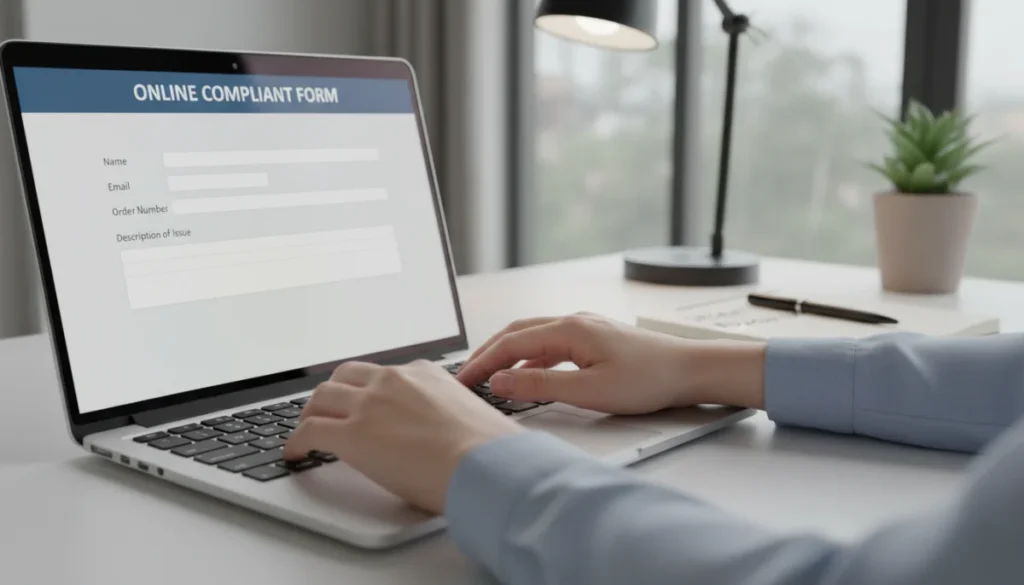
Filing an effective consumer complaint in the US involves documenting issues, contacting the business, and escalating to relevant agencies for a practical solution with a 48-hour response goal.
Navigating consumer issues can be frustrating, but knowing how to file an effective consumer complaint in the US: a practical solution with a 48-hour response goal is crucial. This guide will provide clear steps to help you resolve disputes efficiently, ensuring your voice is heard and problems are addressed promptly.
Understanding Your Consumer Rights in the US
Before initiating any complaint, it’s essential to understand the fundamental consumer rights afforded to you in the United States. These rights form the bedrock of consumer protection laws and empower you to seek redress when businesses fail to uphold their end of a transaction or service agreement. Knowing your rights can significantly strengthen your complaint and guide your strategy for resolution.
Key Consumer Protections
Various federal and state laws protect consumers from unfair, deceptive, or abusive practices. These laws cover a broad spectrum of areas, from product safety to financial services. Understanding which laws apply to your specific situation can help you articulate your complaint more effectively.
- Right to Safety: Products and services must be safe for their intended use.
- Right to Information: Consumers have the right to accurate and complete information about products and services.
- Right to Choose: Access to a variety of products and services at competitive prices.
- Right to Be Heard: The ability to express concerns and have them addressed.
- Right to Redress: The right to seek a remedy for unsatisfactory products or services.
These core principles are often reinforced by specific regulations governing industries like banking, telecommunications, and retail. Familiarizing yourself with these protections will provide a solid foundation for your complaint.
Ultimately, understanding your consumer rights is the first and most critical step in preparing to file an effective complaint. It equips you with the knowledge to identify breaches and to articulate clearly what recourse you are seeking, setting a realistic expectation for a resolution.
Gathering Essential Documentation for Your Complaint
The success of any consumer complaint hinges on the quality and completeness of your supporting documentation. Before you even consider reaching out to a company or agency, dedicate time to compile every piece of evidence related to your issue. This meticulous preparation will not only streamline the complaint process but also significantly increase your chances of achieving a favorable outcome.
Think of your documentation as the backbone of your argument. Without it, your claims might be perceived as unsubstantiated or less credible. The more organized and thorough your records, the more compelling your complaint becomes.
What to Collect
Begin by identifying all relevant items that can corroborate your story. This includes both physical and digital records, ensuring nothing is overlooked. A comprehensive collection will leave little room for doubt or dispute.
- Purchase Receipts/Invoices: Proof of purchase, date, and amount spent.
- Contracts/Agreements: Any signed documents outlining terms of service or product warranties.
- Correspondence: Emails, letters, chat logs, or text messages with the business.
- Product Information: Manuals, packaging, or product descriptions.
- Photos/Videos: Visual evidence of the defect, damage, or issue.
- Bank Statements/Credit Card Records: Proof of payment or unauthorized charges.
Beyond these, also keep a detailed log of all communications, including dates, times, names of representatives you spoke with, and a summary of each conversation. This log serves as a chronological record of your efforts to resolve the issue.
Thorough documentation is not just about proving your case; it’s about presenting it clearly and concisely. By having all your facts and evidence readily available, you demonstrate seriousness and preparedness, which can often expedite the resolution process.
Initial Contact: Direct Communication with the Business
The first and often most effective step in resolving a consumer issue is to directly contact the business involved. Many companies have dedicated customer service departments equipped to handle complaints and are genuinely interested in resolving problems to maintain customer satisfaction. Approaching this initial contact with a clear, calm, and well-documented perspective can often lead to a swift resolution, potentially within your 48-hour response goal.
Avoid emotional language and focus on presenting the facts clearly. Remember, the goal at this stage is to find a solution directly with the company before escalating the matter. Your professionalism can set a positive tone for the interaction.
Crafting Your Complaint Message
When contacting the business, whether by phone, email, or an online form, structure your complaint to be concise and impactful. State your issue, what happened, and what resolution you seek without unnecessary details.
- Identify Yourself: Provide your name, contact information, and account number (if applicable).
- State the Problem Clearly: Briefly describe the issue, including relevant dates and product/service details.
- Provide Evidence: Mention that you have supporting documentation ready to share.
- Propose a Solution: Clearly state what you expect as a resolution (e.g., refund, replacement, repair).
- Set a Reasonable Deadline: While aiming for a 48-hour response, give them a practical timeframe to respond, usually 5-7 business days.
If you’re calling, ask for the representative’s name and make a note of the call’s date and time. If you’re writing, keep a copy of your correspondence. This creates a paper trail that can be vital if further action is needed.
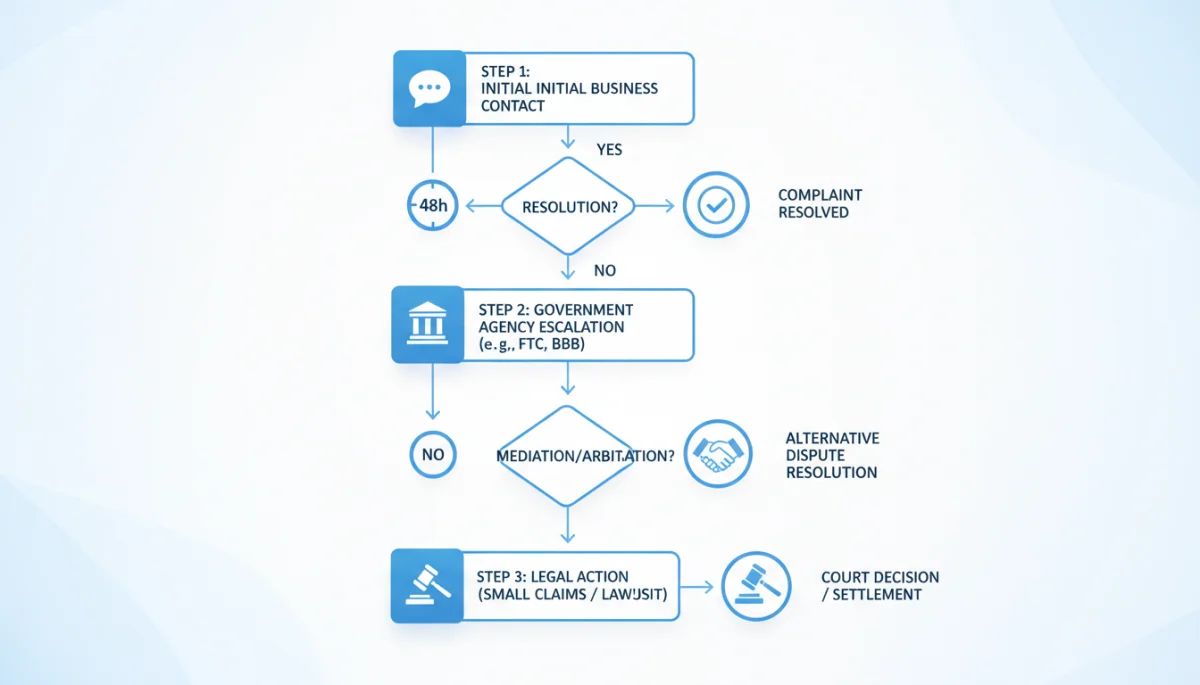
Direct communication is often the quickest path to resolution. Many companies are eager to protect their reputation and avoid negative publicity, making them responsive to well-articulated complaints. This initial step is a critical opportunity to resolve the issue amicably and efficiently.
Escalating Your Complaint: When Direct Contact Fails
If your direct communication with the business does not yield a satisfactory resolution within your desired timeframe, typically after a week, it’s time to consider escalating your complaint. This involves reaching out to external organizations that can mediate or enforce consumer protection laws. Escalation should be a strategic move, leveraging the authority of third parties to advocate on your behalf and push for a resolution.
Before escalating, ensure you have exhausted all avenues with the company itself, keeping detailed records of your attempts. This demonstrates your good faith efforts and strengthens your case when presenting it to external bodies.
Federal and State Consumer Protection Agencies
The United States has a robust network of government agencies dedicated to consumer protection. The specific agency you contact will depend on the nature of your complaint and the industry involved. These agencies have the power to investigate, mediate, and sometimes impose penalties on businesses that violate consumer laws.
- Federal Trade Commission (FTC): Handles complaints about unfair or deceptive business practices across various industries. While they don’t resolve individual disputes, they use complaints to identify patterns and take enforcement action.
- Consumer Financial Protection Bureau (CFPB): Focuses on financial products and services, including mortgages, credit cards, and student loans. They can mediate disputes directly with financial institutions.
- State Attorney General’s Office: Your state’s Attorney General often has a consumer protection division that can assist with complaints specific to state laws.
- Better Business Bureau (BBB): A non-profit organization that mediates disputes between consumers and businesses, providing a rating system based on business practices.
When contacting these agencies, provide a clear, concise summary of your issue, including all relevant dates, names, and the outcome of your direct communication with the business. Attach copies of your documentation, but never send originals.
Escalating your complaint to a regulatory body or a reputable non-profit like the BBB signals to the business that you are serious about resolving the issue. These entities can apply pressure and facilitate a resolution, often more effectively than individual consumers can alone.
Leveraging Social Media and Online Reviews Strategically
In today’s digital age, social media platforms and online review sites have become powerful tools for consumers to voice their concerns and seek resolution. While direct communication and official channels are paramount, a strategic and professional use of public platforms can sometimes expedite a response, particularly for companies sensitive to their public image. This approach, when used judiciously, can complement your other efforts in achieving your 48-hour response goal.
It’s crucial to maintain a respectful and factual tone, even when expressing dissatisfaction. Emotional rants can often backfire, whereas a well-articulated, public complaint can draw the attention of customer service teams and even senior management.
Best Practices for Online Complaints
Before posting, ensure you have exhausted direct communication with the company and have your facts straight. Public complaints should be a last resort or a supplementary tactic, not the first step.
- Choose the Right Platform: Use platforms where the company is active (e.g., Twitter, Facebook, Yelp, Google Reviews).
- Be Concise and Factual: Briefly state your issue, the steps you’ve taken to resolve it, and what resolution you seek. Avoid excessive detail or emotional language.
- Tag the Company: Use the company’s official handle or page to ensure they see your post.
- Include Visuals (If Appropriate): A photo or short video can sometimes convey the issue more effectively.
- Avoid Threats or Profanity: Keep your tone professional. Threats or aggressive language can undermine your credibility.
Many companies actively monitor social media and review sites for mentions of their brand. A public complaint, especially one that gains traction, can prompt a quicker response than traditional channels, as companies are keen to manage their online reputation.
While powerful, using social media and online reviews should be done thoughtfully. It’s a tool to amplify your voice and encourage a response, but it should always be backed by thorough documentation and a clear objective. When used correctly, it can be an invaluable part of your strategy for an effective consumer complaint.
Considering Legal Action and Alternative Dispute Resolution
When all other avenues for resolving a consumer complaint have been exhausted, and you haven’t achieved a satisfactory outcome, it may be time to consider more formal approaches such as legal action or alternative dispute resolution (ADR). These options are generally pursued when the stakes are higher, the financial loss is significant, or the principle of the matter is paramount. While they may not align with a 48-hour response goal, they offer definitive pathways to resolution.
Before embarking on these paths, it’s wise to consult with a legal professional who specializes in consumer law. They can assess the strength of your case and guide you through the complexities of the legal system or ADR processes.
Alternative Dispute Resolution (ADR)
ADR methods offer a less formal and often quicker alternative to traditional litigation. They involve a neutral third party helping to facilitate a resolution between you and the business.
- Mediation: A neutral mediator helps both parties communicate and negotiate a mutually acceptable agreement. The mediator does not make decisions but guides the conversation.
- Arbitration: A neutral arbitrator hears arguments and evidence from both sides and then makes a binding or non-binding decision. This is often a quicker and less expensive process than court.
- Ombudsman Services: Some industries, particularly financial services, have ombudsman services that investigate complaints and provide impartial resolutions.
These methods can save time and money compared to going to court and can still provide a fair resolution. Many contracts, especially for services, include clauses requiring ADR before litigation.
If ADR is not suitable or unsuccessful, small claims court is another option for disputes involving smaller monetary amounts. It’s designed to be accessible to individuals without legal representation, though legal advice is still beneficial. For larger claims, pursuing a lawsuit in a higher court would involve more significant legal costs and time commitments, but it offers the full force of the law to seek redress.
Following Up and Documenting Progress Towards Resolution
Effective complaint resolution doesn’t end with sending an email or making a call; it requires diligent follow-up and meticulous documentation of all progress. This continuous engagement ensures that your complaint remains active and on track, pushing towards your desired 48-hour response goal, or at least a prompt resolution. Without consistent follow-up, even the most well-articulated complaint can get lost in the shuffle.
Maintaining a clear record of every interaction, response, and new piece of information is critical. This log serves as your personal case file, proving invaluable if the dispute escalates further.
Key Aspects of Effective Follow-Up
Timely and structured follow-up demonstrates your commitment to resolving the issue and helps hold the business or agency accountable. It’s about being persistent without being aggressive.
- Set Reminders: Note down dates for follow-up based on deadlines given or reasonable expectations (e.g., 48 hours for initial response, 5-7 business days for a substantive reply).
- Reference Previous Communications: When following up, refer to specific dates, times, and individuals from prior interactions. This shows you are organized and serious.
- Summarize Progress: Briefly recap what has transpired since your last communication and reiterate the desired resolution.
- Keep Records Updated: Immediately log every new piece of information, including phone calls, emails, and any actions taken by the business.
- Be Prepared to Escalate: If follow-up doesn’t yield results, be ready to move to the next level of complaint resolution as planned.
The act of following up also serves as a gentle reminder to the business that your issue has not been forgotten. It reinforces the expectation of a timely response and resolution, aligning with the proactive approach of aiming for a 48-hour turnaround.
Ultimately, a structured follow-up process, coupled with thorough documentation, is a cornerstone of an effective consumer complaint strategy. It empowers you to maintain control over the resolution process and significantly increases the likelihood of achieving a fair and prompt outcome.
| Key Step | Brief Description |
|---|---|
| Document Everything | Collect all receipts, communications, and evidence related to your complaint. |
| Contact Business Directly | Attempt resolution with the company first, clearly stating your issue and desired outcome. |
| Escalate to Agencies | If direct contact fails, report to relevant federal or state consumer protection agencies. |
| Follow Up Diligently | Consistently track and follow up on your complaint’s progress until resolved. |
Frequently Asked Questions About Consumer Complaints
While a 48-hour response goal is ambitious and effective for initial contact, a more realistic expectation for a substantive resolution from a business is typically 5-7 business days. Government agencies may take longer due to their investigation processes, but initial acknowledgment should still be prompt.
The most crucial evidence includes purchase receipts, contracts, detailed communication logs (emails, chat transcripts, call notes), and visual proof like photos or videos of the issue. These documents provide concrete facts to support your claims and strengthen your position.
Yes, but strategically. Social media can be effective for getting a company’s attention after direct contact fails. Keep your posts factual, professional, and concise. Avoid emotional language, and always be prepared to back up your claims with documented evidence if requested.
Legal action, such as small claims court or a lawsuit, should be considered when all other avenues (direct contact, agency complaints, ADR) have failed, and the financial or principal stakes are significant. Consulting a consumer law attorney is advisable before proceeding.
The BBB is a non-profit organization that helps resolve disputes between consumers and businesses through mediation. They do not have legal enforcement power but can facilitate communication and provide a public record of a business’s responsiveness to complaints, influencing their rating.
Conclusion
Successfully navigating a consumer complaint in the US requires a blend of clear communication, meticulous documentation, and strategic escalation. By understanding your rights, preparing thoroughly, and following a structured approach, you significantly increase your chances of achieving a prompt and satisfactory resolution. Remember, persistence and accurate record-keeping are your strongest allies in ensuring your voice is heard and consumer issues are effectively addressed.
