Small Claims Court: Consumer Disputes Guide 2026
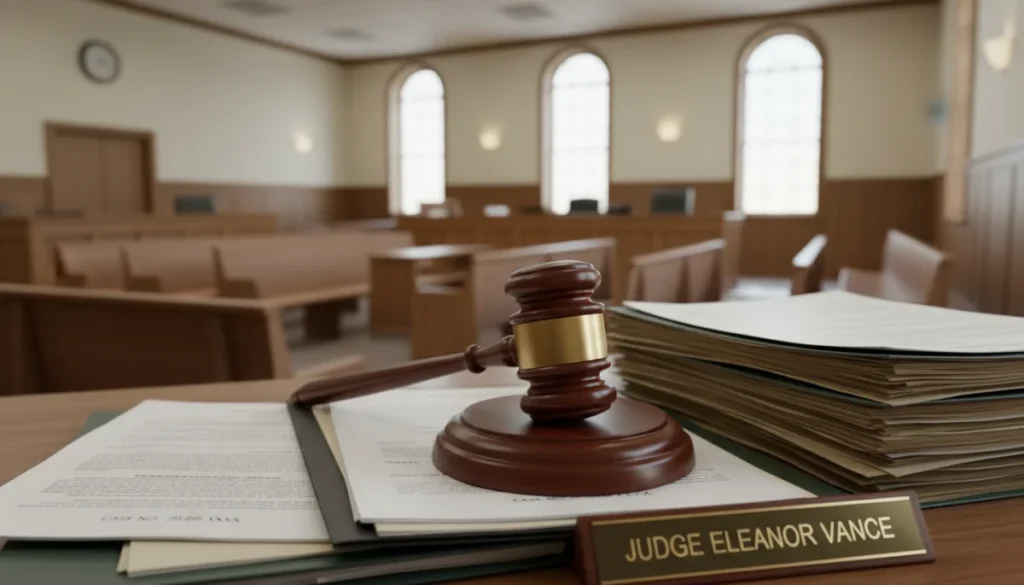
Effectively leveraging small claims court for US consumer disputes under $10,000 in 2026 involves understanding jurisdictional limits, proper documentation, and streamlined procedural steps to secure a favorable outcome.
In the complex landscape of consumer rights, understanding your options for recourse is paramount. For many Americans, navigating disputes with businesses or individuals can feel daunting, especially when the amounts involved don’t justify the expense of a traditional lawsuit. This is where small claims court becomes an invaluable tool, offering a simplified and cost-effective pathway to justice for claims under $10,000 in 2026. This guide will equip you with the insider knowledge needed to leverage this powerful system effectively.
Understanding Small Claims Court Jurisdiction and Limits
Small claims court is designed to provide an accessible forum for individuals to resolve minor legal disputes without the need for extensive legal representation. Each state in the U.S. sets its own monetary limits for small claims, though the federal guideline of $10,000 serves as a common benchmark. Understanding these limits and the types of cases accepted is the first critical step.
It’s important to research your specific state and even county’s regulations, as these can vary significantly. Some courts might also have restrictions on the types of entities that can sue or be sued, such as corporations. Generally, consumer disputes involving faulty products, unfulfilled services, or breach of contract fall squarely within the purview of small claims.
Key Jurisdictional Considerations
- Monetary Limits: While $10,000 is a common maximum, some states have lower limits (e.g., $2,500-$5,000) or higher ones (e.g., $15,000-$25,000). Always verify the exact limit in your jurisdiction for 2026.
- Types of Cases: Most small claims courts handle disputes over money, property, or specific performance of contracts. Personal injury cases might be included, but often have higher evidentiary standards.
- Geographic Jurisdiction: You typically must file your claim in the county where the defendant resides or where the incident occurred.
Failing to adhere to these jurisdictional requirements can lead to your case being dismissed, wasting valuable time and effort. A thorough understanding of these foundational elements ensures your claim is filed in the correct venue from the outset, laying a strong groundwork for success in your consumer dispute.
Gathering and Organizing Your Evidence
The success of any small claims court case hinges on the strength and clarity of your evidence. Unlike complex litigation, small claims courts prioritize straightforward, tangible proof. This means meticulously collecting and organizing all relevant documents, communications, and other supporting materials that substantiate your claim. Don’t underestimate the power of a well-organized file.
Begin by documenting everything from the initial point of contact to the dispute itself. This includes purchase receipts, contracts, warranties, email exchanges, text messages, photographs, and even notes from phone conversations. The more comprehensive your collection, the better equipped you’ll be to present a compelling case to the judge.
Essential Evidence Categories
- Transactional Records: Invoices, receipts, order confirmations, canceled checks, or credit card statements proving payment.
- Communication Logs: Emails, letters, text messages, and detailed notes of phone calls (including dates, times, and names of individuals spoken to) demonstrating attempts to resolve the issue.
- Product/Service Documentation: Warranties, service agreements, product manuals, advertisements, or descriptions that outline expectations or guarantees.
- Visual Evidence: Photographs or videos of damaged goods, faulty workmanship, or the condition of property relevant to the dispute.
Organizing your evidence chronologically or by category will make it easier to present during your hearing. Consider creating an index or a simple timeline of events. Remember, the judge is looking for clear, concise information that directly supports your narrative. A disorganized presentation can detract from even the strongest evidence. Proper preparation of evidence is paramount for a successful outcome in small claims court.

Navigating the Filing Process: Step-by-Step
Once you’ve confirmed jurisdiction and gathered your evidence, the next step is to officially file your claim. This process, while simplified compared to higher courts, still requires attention to detail. Each court will have specific forms and procedures, but the general steps remain consistent across most jurisdictions in the US.
Start by obtaining the correct forms from your local small claims court clerk’s office or their website. These typically include a “Plaintiff’s Claim” or similar document where you state who you are suing, why, and for how much. Be precise and factual in your description of the dispute, avoiding emotional language.
Key Filing Steps
- Obtain Forms: Secure the necessary forms (e.g., Complaint, Summons) from the court clerk or online portal.
- Complete Forms Accurately: Fill out all sections clearly and concisely, ensuring names, addresses, and the dollar amount claimed are correct. Provide a brief but thorough explanation of your dispute.
- File with the Court: Submit the completed forms to the court clerk. There will be a filing fee, which you may be able to recover if you win your case. If you cannot afford the fee, ask about a fee waiver.
- Serve the Defendant: This is a critical step. The defendant must be legally notified of the lawsuit. Service can be done by a sheriff, process server, or certified mail, depending on local rules. Improper service can delay or even derail your case.
After filing, the court will set a hearing date. It is crucial to adhere to all deadlines and procedural rules. Missing a deadline or failing to properly serve the defendant can result in your case being dismissed. Take your time, read all instructions carefully, and don’t hesitate to ask the court clerk for clarification on procedural questions, as they cannot offer legal advice but can explain processes.
Preparing for Your Small Claims Court Hearing
The hearing is your opportunity to present your case to the judge. While the atmosphere is less formal than a typical courtroom, preparation is still key to a successful outcome. Approaching the hearing with confidence and a clear presentation strategy will significantly improve your chances.
Review all your evidence well in advance. Practice what you will say, focusing on a concise and logical narrative of events. Anticipate potential questions from the judge and prepare brief, factual answers. Remember, the judge’s time is limited, so clarity and brevity are highly valued.
Effective Hearing Preparation Strategies
- Organize Your Presentation: Arrange your evidence in a logical sequence that mirrors your narrative. Use tabs or labels to quickly locate documents.
- Prepare an Opening Statement: A brief (1-2 minute) summary of your case, outlining who you are, who you are suing, what happened, and what you are seeking.
- Anticipate Defenses: Consider what arguments the defendant might raise and how you will counter them with your evidence.
- Practice Your Testimony: Rehearse your story to ensure it is clear, concise, and covers all essential points without rambling.
Dress appropriately, arrive early, and maintain a respectful demeanor throughout the proceedings. Address the judge as “Your Honor.” Be prepared to answer questions directly and honestly. Avoid interruptions and emotional outbursts. Presenting a calm, collected, and well-supported case will leave a positive impression on the judge and bolster your position in the small claims court.
Presenting Your Case and What to Expect at the Hearing
On the day of your hearing, you will present your side of the story to the judge, and the defendant will have the opportunity to present theirs. This is a direct, often informal, exchange where the judge acts as both fact-finder and interpreter of the law. Your goal is to clearly and compellingly convey why you are entitled to the relief you seek.
When it’s your turn to speak, present your evidence in an organized manner. Refer to specific documents by page number or exhibit label. Explain how each piece of evidence supports your claim. Be prepared for the judge to ask questions, which may interrupt your presentation. Answer these questions respectfully and directly, then continue with your narrative.
During the Hearing
The judge will typically allow both parties to present their case, ask questions, and potentially call witnesses. Be prepared to:
- State Your Case Clearly: Begin with a brief overview, then present your evidence point by point, explaining its relevance.
- Listen Attentively: Pay close attention when the defendant presents their case and when the judge speaks. This shows respect and helps you formulate any rebuttal.
- Be Respectful: Maintain a calm and professional demeanor, even if the defendant is hostile or makes inaccurate statements.
- Focus on Facts: Stick to the facts and avoid personal attacks or emotional appeals. Your case is built on evidence, not sentiment.
After both sides have presented, the judge may make a decision immediately or take the case under advisement, meaning a decision will be mailed to you later. Regardless of the outcome, understanding that you have exercised your right to seek justice through the small claims court system is a significant achievement.
Collecting Your Judgment and Post-Hearing Steps
Winning your small claims case is a significant victory, but it’s important to understand that a judgment is not automatically a payment. The court will issue a judgment, which is a legal declaration that the defendant owes you money. However, collecting that money is often a separate process, and sometimes the most challenging part of the small claims journey.
The defendant is expected to pay the judgment voluntarily. If they do not, you will need to take further steps to enforce the judgment. These collection methods vary by state but commonly involve liens, wage garnishments, or bank account levies. It’s crucial to understand these options and their limitations.
Post-Judgment Collection Strategies
If the defendant does not pay, you may need to pursue collection efforts:
- Abstract of Judgment: File this document with the county recorder to place a lien on any real property owned by the defendant.
- Writ of Execution: This court order allows you to seize the defendant’s assets, such as bank accounts or wages, through a sheriff or marshal.
- Debtor’s Examination: You can request a court hearing where the defendant must disclose their assets and income under oath.
It’s important to remember that if the defendant has no assets or income, collecting the judgment can be difficult or impossible. Some judgments may also expire after a certain number of years, so timely action is important. Consult with the court clerk or a legal aid service for guidance on the specific collection procedures available in your jurisdiction. While challenging, understanding these post-hearing steps ensures you are prepared to see your small claims court efforts through to successful completion.
| Key Aspect | Brief Description |
|---|---|
| Jurisdictional Limits | Understand state-specific monetary caps (often up to $10,000) and case types accepted. |
| Evidence Collection | Gather all relevant documents, communications, and visual proofs to support your claim. |
| Filing & Service | Accurately complete forms, pay fees, and ensure the defendant is properly served notice. |
| Hearing & Judgment | Prepare, present your case clearly, and understand steps for collecting awarded judgments. |
Frequently Asked Questions About Small Claims Court
Filing fees for small claims cases vary by state and county, typically ranging from $30 to $100. There may also be additional costs for serving the defendant. Many courts offer fee waivers for individuals who cannot afford these costs, ensuring access to justice for all.
No, you are generally not required to have a lawyer in small claims court. The system is designed to be user-friendly for individuals representing themselves, often called “pro se” litigants. However, you are permitted to consult with or hire an attorney if you choose, though it’s less common due to cost.
If the defendant was properly served but fails to appear, you may be granted a “default judgment.” This means the court rules in your favor without hearing the defendant’s side. You will still need to present your evidence to the judge to establish the amount of your claim.
Yes, most states allow appeals from small claims court decisions. The process for appeal varies, but typically involves filing a notice of appeal within a short timeframe (e.g., 30 days) and potentially a new hearing in a higher court. Grounds for appeal are usually limited to legal errors, not simply dissatisfaction with the outcome.
The duration of a small claims case can vary widely depending on the court’s caseload and the complexity of the dispute. Generally, from filing to judgment, a case can take anywhere from a few weeks to several months. Collection efforts, if necessary, can extend this timeline further.
Conclusion
Leveraging small claims court offers a practical and often empowering avenue for consumers in the United States to resolve disputes under $10,000 in 2026. By understanding the jurisdictional nuances, meticulously preparing evidence, navigating the filing process, and presenting a clear case, individuals can effectively advocate for their rights. While the process demands diligence, it provides a vital, accessible path to justice, ensuring that consumer grievances do not go unheard simply due to financial constraints. Empower yourself with this knowledge and confidently pursue your rightful claims.
