High-Yield Savings Accounts 2026: Earn 4.5%+ on Your Funds
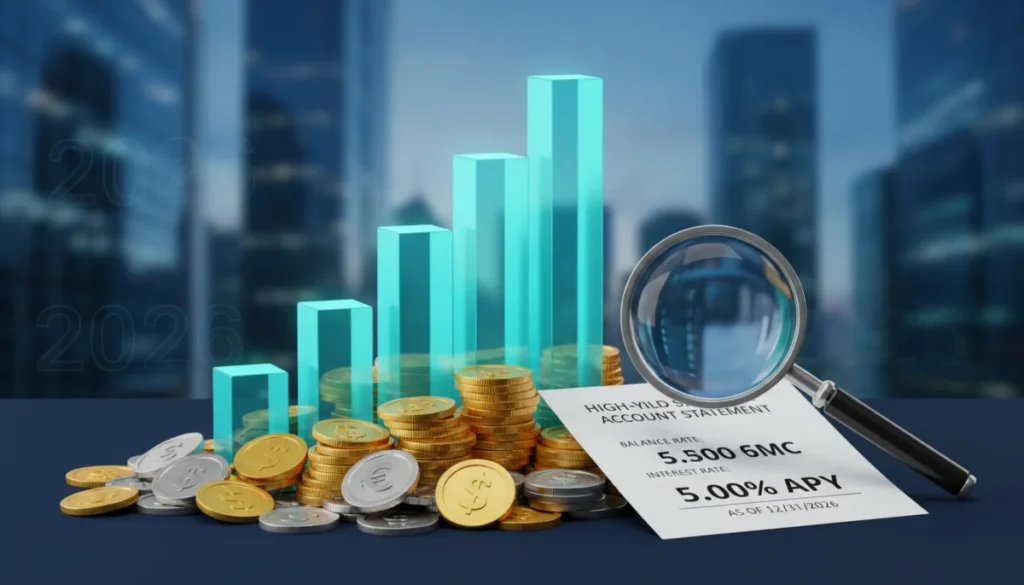
To effectively leverage high-yield savings accounts in 2026, individuals should seek out institutions offering competitive rates of 4.5% or more, ensuring their personal funds grow significantly while maintaining accessibility.
Are you looking for smarter ways to make your money work harder? In 2026, the landscape for personal finance continues to evolve, making it more critical than ever to understand how to maximize your savings. This guide will explore how you can start leveraging high-yield savings accounts in 2026: earning 4.5% or more on your personal funds, transforming your financial outlook.
Understanding high-yield savings accounts in 2026
High-yield savings accounts (HYSAs) are deposit accounts that offer significantly higher interest rates than traditional savings accounts. These accounts are typically offered by online banks, which have lower overhead costs compared to brick-and-mortar institutions. Their ability to operate with reduced expenses often allows them to pass those savings on to customers in the form of higher annual percentage yields (APYs).
In 2026, the appeal of HYSAs is stronger than ever, especially for those looking to counteract inflation and grow their emergency funds or short-term savings. The competitive environment among financial institutions continues to push rates upward, making it a prime time for consumers to benefit. However, it’s essential to understand that these rates can fluctuate based on broader economic conditions and Federal Reserve policies.
Why high-yield accounts matter now
The current economic climate, characterized by ongoing discussions around interest rate adjustments and inflation, underscores the importance of intelligent savings strategies. Traditional savings accounts often offer negligible returns, barely keeping pace with, or even falling behind, inflation. HYSAs, conversely, provide a genuine opportunity for your money to appreciate.
- Inflation Hedge: Higher APYs help mitigate the eroding effects of inflation on your purchasing power.
- Faster Growth: Your savings grow at an accelerated pace, reaching financial goals sooner.
- Liquidity: Funds remain accessible, unlike some investment vehicles, making HYSAs ideal for emergency funds.
In conclusion, high-yield savings accounts are not just a trend; they are a fundamental component of a robust financial strategy in 2026. By understanding their core function and advantages, you position yourself to make more informed decisions about where to park your hard-earned money.
Factors influencing HYSA rates in 2026
The interest rates offered by high-yield savings accounts are not static; they are influenced by a complex interplay of economic factors. Understanding these drivers is crucial for predicting potential rate changes and ensuring you consistently find the best accounts. The Federal Reserve’s monetary policy, in particular, plays a significant role in determining the baseline for interest rates across the banking sector.
When the Federal Reserve raises the federal funds rate, banks typically follow suit by increasing their own interest rates, including those on savings accounts. Conversely, a decrease in the federal funds rate usually leads to lower savings rates. Beyond the Fed, competition among banks, especially online-only institutions, also drives rates. Banks vie for deposits, using attractive APYs as a primary incentive.
The Federal Reserve’s impact
The Federal Reserve’s decisions are arguably the most influential factor. Their objective is to maintain economic stability, which involves managing inflation and employment. By adjusting the federal funds rate, they influence borrowing costs for banks, which then trickle down to consumer deposit rates. Keeping an eye on the Fed’s announcements and economic forecasts can give you an edge in anticipating rate movements.
- Quantitative Easing/Tightening: These policies directly affect the money supply, impacting interest rates.
- Inflation Targets: The Fed’s efforts to control inflation often involve rate adjustments.
- Economic Growth Indicators: Strong economic growth might lead to higher rates to prevent overheating.
Another factor is the overall economic outlook. During periods of economic uncertainty, consumers tend to save more, increasing the supply of deposits and potentially leading banks to offer slightly lower rates due to less competition for funds. Conversely, a booming economy might see banks competing more aggressively for deposits to fund loans, pushing rates higher.
To summarize, HYSA rates are a dynamic reflection of broader economic health and central bank policy. Staying informed about these macro-economic trends will empower you to make timely decisions about your savings.
Identifying high-yield accounts with 4.5% APY or more
Finding a high-yield savings account offering 4.5% APY or higher in 2026 requires a focused approach. While many banks advertise competitive rates, it’s essential to look beyond the headlines and delve into the specifics of each offer. Online banks are typically your best bet, as their operational model allows for more generous interest payments to depositors.
Begin your search by comparing rates from reputable online financial institutions. Websites specializing in financial product comparisons can be invaluable resources, providing up-to-date information on APYs, minimum balance requirements, and any associated fees. Don’t overlook smaller, newer online banks; they often offer introductory rates to attract new customers, which can be quite lucrative.
Key comparison points
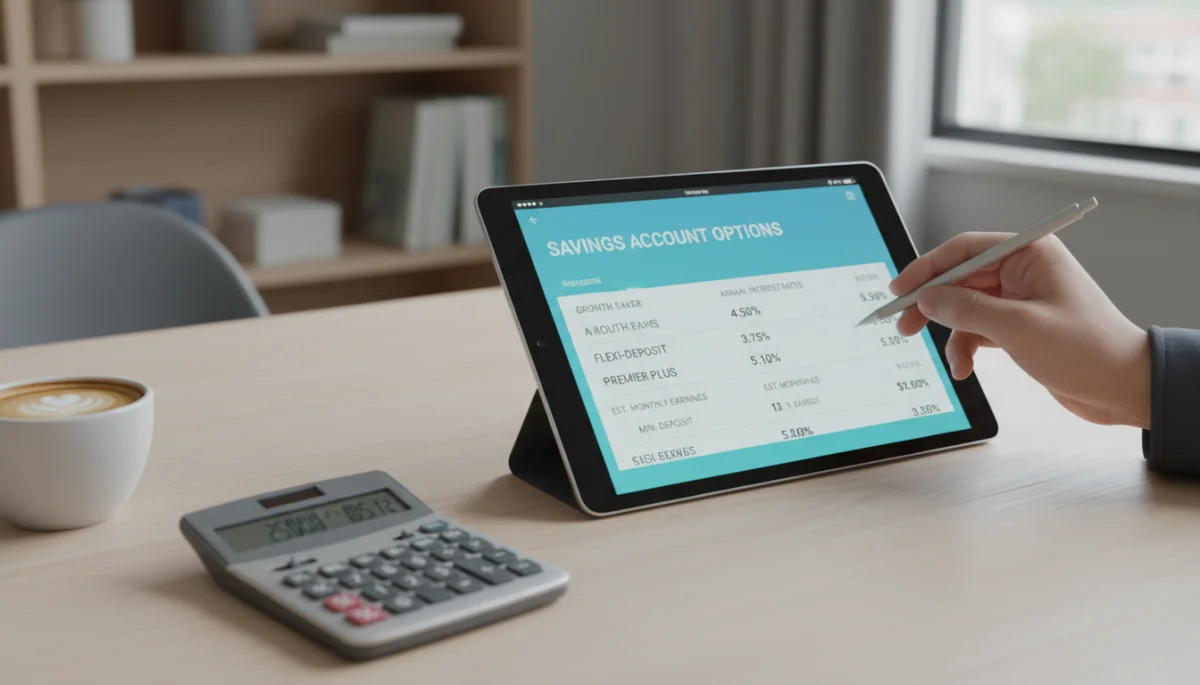
When evaluating different accounts, several factors should guide your decision. The APY is paramount, but it shouldn’t be the only consideration. Look for accounts with no monthly maintenance fees or easy-to-meet requirements to waive them. Minimum balance requirements for opening or earning the advertised APY are also important, as are any limitations on withdrawals or transfers.
- Annual Percentage Yield (APY): This is the effective annual rate of return, considering compounding interest.
- Fees: Scrutinize for monthly maintenance, excessive transaction, or ATM fees.
- Minimums: Check for minimum deposit to open and minimum balance to earn the stated APY.
- FDIC Insurance: Ensure the bank is FDIC-insured, protecting your deposits up to $250,000.
The ease of managing the account is another practical consideration. A user-friendly online platform and mobile app, along with responsive customer service, can significantly enhance your banking experience. Some banks also offer perks like early access to direct deposit or integration with budgeting tools, which can add further value.
Ultimately, identifying the right high-yield account involves a blend of rate comparison, fee analysis, and service evaluation. By taking a comprehensive view, you can secure an account that not only offers a high APY but also fits seamlessly into your financial life.
Maximizing your earnings: strategies and tips
Once you’ve identified a high-yield savings account that meets your criteria, the next step is to implement strategies to maximize your earnings. It’s not just about opening an account; it’s about actively managing your funds to take full advantage of the compounding interest and competitive rates. Consistency and attention to detail are key in this endeavor.
One of the most effective strategies is to automate your savings. Setting up automatic transfers from your checking account to your high-yield savings account ensures that you consistently contribute to your savings without having to actively think about it. Even small, regular contributions can add up significantly over time, especially with a high APY.
Optimizing your savings
Consider creating separate savings goals within your HYSA, if your bank offers this feature. Many online banks allow you to earmark funds for different purposes, such as an emergency fund, a down payment, or a vacation. This mental accounting can help you stay motivated and avoid dipping into funds allocated for specific objectives.
- Automate Transfers: Schedule regular, automatic deposits to ensure consistent growth.
- Monitor Rates: Periodically check if your bank’s APY remains competitive and switch if better options arise.
- Avoid Fees: Understand account terms to dodge any potential charges that could erode earnings.
- Consolidate Funds: If you have multiple low-interest accounts, consolidate them into one HYSA.
Another crucial tip is to regularly review the interest rates offered by your bank and its competitors. The financial market is dynamic, and a rate that was competitive a few months ago might not be today. Don’t hesitate to switch banks if you find a significantly better offer, as the process is often straightforward and worth the effort for increased returns.
In essence, maximizing your HYSA earnings involves a proactive approach: consistent contributions, vigilant rate monitoring, and a willingness to adapt your strategy as market conditions change. These habits will ensure your personal funds are always working their hardest for you.
Comparing HYSAs with other investment options
While high-yield savings accounts are excellent for accessible, low-risk savings, it’s important to understand how they compare to other investment options. This perspective helps you allocate your funds strategically, balancing liquidity, risk, and potential returns across your financial portfolio. HYSAs are generally at the lower end of the risk spectrum but also offer moderate returns compared to growth-oriented investments.
For immediate access to funds, such as an emergency fund, HYSAs are unparalleled. Their insured nature (FDIC) provides peace of mind, and the liquidity means you can withdraw funds without penalty, unlike certificates of deposit (CDs) or some investment accounts. However, for long-term wealth building, other vehicles might offer higher growth potential, albeit with increased risk.
Diversifying your financial strategy
Consider certificates of deposit (CDs) for funds you won’t need for a specific period, typically ranging from a few months to several years. CDs often offer slightly higher interest rates than HYSAs in exchange for locking up your money. The longer the term, generally the higher the interest rate, but early withdrawal penalties apply.
- Stocks and Bonds: Offer higher growth potential but come with greater market risk.
- Mutual Funds/ETFs: Provide diversification across various assets, balancing risk and return.
- Real Estate: Can offer significant appreciation but requires substantial capital and has lower liquidity.
- Retirement Accounts (401k, IRA): Tax-advantaged growth for long-term retirement planning.
For long-term goals like retirement or significant wealth accumulation, a diversified portfolio including stocks, bonds, and mutual funds is typically recommended. These investments carry market risk but historically offer higher returns over extended periods. The key is to match the investment vehicle to your specific financial goal and risk tolerance.
To conclude, HYSAs are a vital tool for short-term savings and emergency funds due to their safety and liquidity. However, a comprehensive financial plan should integrate them with other investment options to achieve a balanced approach to growth and security.
The future of high-yield savings in 2026 and beyond
Looking ahead to 2026 and beyond, the future of high-yield savings accounts appears bright, though subject to ongoing economic shifts. The trend towards digital banking and increased competition among financial institutions is likely to continue driving innovation and competitive rates. Consumers stand to benefit from this dynamic environment, provided they remain informed and proactive.
Technological advancements will undoubtedly play a significant role. We may see more personalized banking experiences, with AI-driven tools helping consumers optimize their savings automatically. Integration with broader financial planning platforms could also become more seamless, offering a holistic view of one’s financial health and opportunities.
Navigating future trends
Regulatory changes could also shape the landscape. Governments and financial bodies might introduce new regulations to protect consumers or foster greater competition, which could indirectly impact the rates and features of HYSAs. Staying abreast of these potential changes will be important for making informed financial decisions.
- Digital Innovation: Expect more sophisticated apps and online tools for managing savings.
- Rate Volatility: Be prepared for rate fluctuations influenced by global economic conditions.
- Personalized Offers: Banks may offer tailored rates and incentives based on customer profiles.
- Increased Competition: More players entering the market could lead to even higher APYs.
The importance of financial literacy cannot be overstated in this evolving environment. Consumers who understand economic indicators, banking trends, and the nuances of various financial products will be best positioned to capitalize on opportunities. This proactive engagement is key to ensuring your money continues to work effectively for you.
In conclusion, while the exact trajectory of high-yield savings accounts remains subject to future economic conditions, their fundamental role in personal finance is secure. By embracing technological advancements and staying financially literate, you can confidently navigate the future of savings and continue to grow your personal funds effectively.
| Key Point | Brief Description |
|---|---|
| HYSA Definition | Savings accounts offering significantly higher interest rates than traditional ones, often from online banks. |
| Rate Factors | Influenced primarily by Federal Reserve policy, economic conditions, and bank competition. |
| Maximizing Earnings | Automate savings, regularly compare rates, and avoid fees for optimal growth. |
| Future Outlook | Continued digital innovation and competition are expected to benefit consumers. |
Frequently asked questions about high-yield savings accounts
A high-yield savings account is a type of savings account that typically offers significantly higher interest rates than traditional savings accounts. These are most commonly found at online-only banks due to their lower operating costs, allowing them to pass on greater returns to depositors.
Yes, as long as the bank offering the HYSA is insured by the Federal Deposit Insurance Corporation (FDIC). FDIC insurance protects your deposits up to $250,000 per depositor, per insured bank, in case the bank fails, ensuring your money is secure.
To find such accounts, compare rates from various online banks using financial comparison websites. Look for institutions with low or no fees, minimal balance requirements, and strong FDIC insurance. Rates fluctuate, so regular comparison is key.
Yes, HYSA rates are variable and can change at any time based on market conditions, the Federal Reserve’s policies, and the bank’s own financial strategy. It’s wise to monitor your account’s APY and compare it with current market offerings periodically.
Many HYSAs, particularly those from online banks, have no monthly maintenance fees. However, some might charge fees for excessive withdrawals, wire transfers, or if your balance falls below a certain minimum. Always read the account’s fee schedule carefully.
Conclusion
In conclusion, leveraging high-yield savings accounts in 2026: earning 4.5% or more on your personal funds represents a smart and accessible strategy for enhancing your financial well-being. By understanding the economic forces that drive interest rates, diligently researching and comparing different banking options, and proactively managing your savings, you can ensure your money not only maintains its value against inflation but also grows significantly. While HYSAs offer safety and liquidity for short-term goals, integrating them into a broader, diversified financial plan will provide the most comprehensive path to long-term financial success. Staying informed and adaptable will be your greatest assets in the evolving financial landscape.
