Home Warranty vs. Homeowner’s Insurance 2026: Protect Your Investment
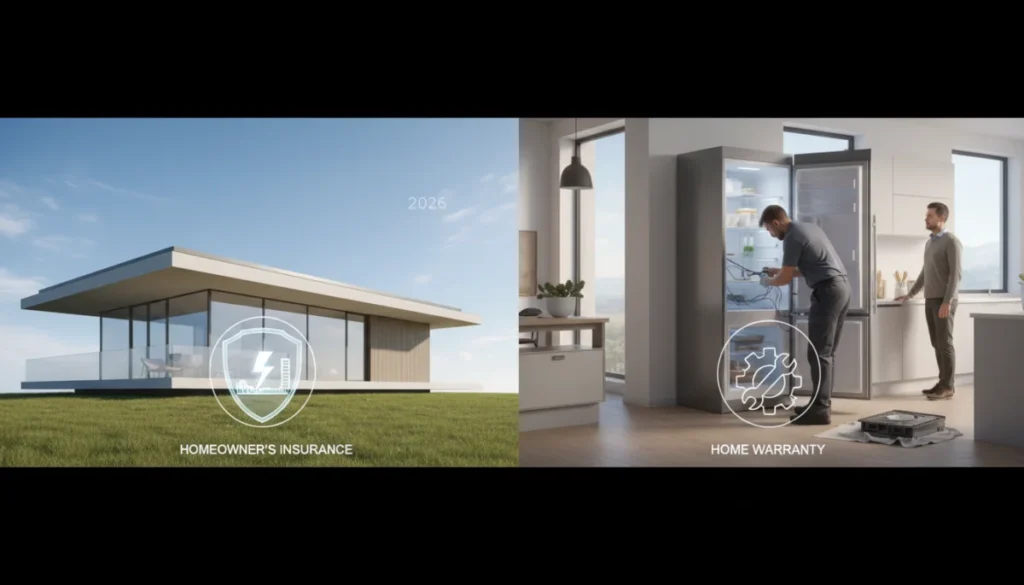
Navigating the complexities of property protection requires understanding the distinct roles of home warranty and homeowner’s insurance in 2026, as they cover different aspects of your home’s well-being and financial security.
As a homeowner, safeguarding your most significant investment is paramount. Understanding the nuances between a home warranty vs. homeowner’s insurance in 2026 is crucial for making informed decisions about protecting your property and finances. These two distinct forms of coverage, while often confused, serve different but equally important purposes in maintaining your home’s integrity and your peace of mind.
Understanding the Core Differences
Many homeowners find themselves puzzled when distinguishing between a home warranty and homeowner’s insurance. While both aim to protect your home, they address fundamentally different types of risks and expenses. Grasping these core distinctions is the first step toward building a robust protection strategy for your property in 2026.
What Homeowner’s Insurance Covers
Homeowner’s insurance is designed to protect against unforeseen and often catastrophic events. It’s a mandatory requirement for most mortgage lenders because it shields both the homeowner and the lender from significant financial losses due to major perils. This coverage is broad, encompassing structural damage and personal liability.
- Dwelling Coverage: Protects the physical structure of your home against perils like fire, windstorms, hail, and vandalism.
- Personal Property Coverage: Insures your belongings, such as furniture, clothing, and electronics, against covered losses, whether they are inside or outside your home.
- Liability Coverage: Protects you financially if someone is injured on your property and you are found responsible, covering legal fees and medical expenses.
- Additional Living Expenses (ALE): Covers costs if your home becomes uninhabitable due to a covered loss, including hotel stays, meals, and other temporary living expenses.
In essence, homeowner’s insurance is your shield against the big, unpredictable disasters that can devastate your property and finances. It’s about protecting against the unexpected and often unavoidable.
What a Home Warranty Covers
Conversely, a home warranty acts more like a service contract, covering the repair or replacement of major systems and appliances that break down due to normal wear and tear. It’s not about sudden, catastrophic events, but rather the inevitable aging and malfunction of mechanical components within your home. This distinction is vital for homeowners looking to manage their budgets and avoid unexpected repair costs.
- Major Appliances: Typically covers items like refrigerators, dishwashers, ovens, and washing machines.
- Home Systems: Includes coverage for HVAC systems, electrical systems, plumbing, and water heaters.
- Normal Wear and Tear: Specifically addresses breakdowns that occur over time through regular use, which homeowner’s insurance explicitly excludes.
A home warranty offers a financial buffer against the everyday operational failures that can quickly add up, providing peace of mind knowing that routine repairs won’t derail your budget. It’s a proactive measure against predictable maintenance issues.
When to Prioritize Each Type of Protection
Deciding which type of protection to prioritize, or perhaps how to combine them, depends heavily on your individual circumstances, the age of your home, and your financial comfort level. Both home warranty and homeowner’s insurance play critical roles, but their optimal use cases differ significantly. Understanding these scenarios can guide your decision-making process effectively.
Situations Favoring Homeowner’s Insurance
Homeowner’s insurance is non-negotiable for virtually all homeowners, primarily due to mortgage lender requirements and the sheer scale of financial risk it mitigates. Without it, you could face financial ruin from a severe storm, fire, or a serious liability claim. Its broad scope makes it the foundational layer of home protection.
Consider the following critical situations where homeowner’s insurance is indispensable:
- Catastrophic Events: Fires, severe wind damage, hail storms, theft, and vandalism can cause extensive damage to your home’s structure and contents.
- Personal Liability: If a guest is injured on your property, or your child accidentally causes damage to a neighbor’s property, liability coverage protects your assets.
- Mortgage Requirements: Lenders mandate homeowner’s insurance to protect their investment in your property, ensuring the loan can be repaid even if the home is destroyed.
Essentially, if you own a home, homeowner’s insurance is not just a recommendation; it’s a fundamental necessity to protect against major, unforeseen financial losses.
Situations Favoring a Home Warranty
While homeowner’s insurance handles the big, unexpected threats, a home warranty excels at managing the smaller, yet still costly, day-to-day issues that arise from normal wear and tear. It becomes particularly valuable in specific scenarios, offering a different kind of financial security. This is where the practical benefits of a home warranty truly shine, especially for those who prefer predictable budgeting.
A home warranty is especially beneficial in these situations:
- Older Homes: Properties with aging appliances and systems are more prone to breakdowns, making a home warranty a cost-effective solution for potential repair bills.
- First-Time Homebuyers: New homeowners, often on tighter budgets, can benefit from predictable repair costs, avoiding large, unexpected expenses.
- Budgeting for Repairs: For those who prefer to avoid large, unexpected repair bills, a home warranty offers a fixed annual or monthly cost, simplifying financial planning.
- Limited DIY Skills: If you’re not comfortable or capable of handling home repairs yourself, a home warranty provides access to a network of qualified service professionals.
A home warranty acts as a practical tool for managing the inevitable maintenance costs associated with homeownership, particularly as appliances and systems age.
Key Factors to Consider in 2026
The landscape of home protection is constantly evolving, with new technologies and economic factors influencing the decisions homeowners make. In 2026, several key factors should weigh into your consideration of both home warranty and homeowner’s insurance policies. Being aware of these elements will help you select the most appropriate coverage for your specific needs.
Technological Advancements and Smart Homes
The increasing prevalence of smart home technologies introduces new dimensions to home protection. While homeowner’s insurance might cover damage to these systems from perils, home warranties are beginning to adapt to cover the repair or replacement of smart appliances and integrated home systems due to mechanical failure. It’s crucial to check policy specifics to ensure your advanced systems are adequately protected.
The integration of smart systems means that what was once a simple appliance is now a complex network. Ensuring your coverage keeps pace with these technological shifts is vital. Some home warranty providers are now offering specialized add-ons for smart home devices, reflecting the changing nature of household systems.
Rising Repair Costs and Inflation
Inflationary pressures continue to affect the cost of materials and labor for home repairs. This trend makes both types of coverage potentially more valuable. The cost of replacing a major appliance or repairing a damaged roof can be significantly higher than in previous years, emphasizing the financial relief both insurance and warranties can provide. Staying informed about market trends is crucial.
For homeowner’s insurance, this means ensuring your dwelling coverage adequately reflects current rebuilding costs. For home warranties, it means the fixed service fee and coverage limits offer substantial value against rising repair expenses. Regularly reviewing your policy limits against current market costs is a wise practice.
Evaluating Policy Details and Providers
The devil is always in the details when it comes to insurance and warranty policies. Simply having coverage isn’t enough; understanding what that coverage entails, its limitations, and the reputation of the provider is paramount. A thorough evaluation ensures you’re not left exposed when you most need protection.
Understanding Coverage Limits and Exclusions
Both home warranty and homeowner’s insurance policies come with specific limits and exclusions. For homeowner’s insurance, this might include flood or earthquake damage, which often requires separate policies. For home warranties, pre-existing conditions, improper installation, or cosmetic damage are typically excluded. Always read the fine print carefully.
It’s vital to identify what is explicitly covered and, more importantly, what is not. This prevents surprises when filing a claim. Many policies also have aggregate limits, meaning there’s a maximum amount they will pay out over a policy term, regardless of the number of claims.
Choosing Reputable Providers
The quality of your coverage is only as good as the company backing it. Researching provider reputations, customer service ratings, and claim resolution processes is crucial. Look for companies with strong financial ratings and positive customer reviews. Industry watchdogs and consumer protection agencies can offer valuable insights into a provider’s reliability.
A reputable provider will have transparent policies, clear communication channels, and an efficient claims process. Don’t hesitate to ask for references or check online reviews to gauge the experiences of other customers. The peace of mind that comes from a trustworthy provider is invaluable.
Cost-Benefit Analysis: Is a Home Warranty Worth It?
When considering a home warranty, a common question arises: Is it truly worth the annual cost? This decision involves a careful cost-benefit analysis, weighing the annual premium and service fees against the potential costs of unexpected repairs. The answer often depends on your home’s unique characteristics and your personal financial philosophy.
Calculating Potential Savings
To determine the value, compare the annual cost of a home warranty (typically $300-$600) plus the service call fees (usually $75-$125 per claim) against the average cost of repairing or replacing major appliances and systems. For example, a new HVAC unit can cost several thousand dollars, and a refrigerator repair can easily run into hundreds. If you anticipate multiple breakdowns, a warranty can offer significant savings.
Consider the age of your appliances and systems. If they are nearing the end of their lifespan, the likelihood of breakdowns increases, making a warranty a more attractive proposition. Track your historical repair expenses to get a clearer picture of your needs.
Peace of Mind vs. Self-Insurance
Beyond the purely financial aspect, a home warranty offers a significant intangible benefit: peace of mind. Knowing that a single call can dispatch a qualified technician for a covered repair, without the stress of finding a reliable professional or facing a hefty bill, can be invaluable. This convenience is a key selling point for many homeowners.
Alternatively, some homeowners opt to self-insure by setting aside an emergency fund specifically for home repairs. This approach gives you full control over repairs and selections but requires financial discipline and a readiness to absorb potentially large, unexpected costs. The choice between a warranty and self-insurance hinges on your risk tolerance and financial planning preferences.
Combining Home Warranty and Homeowner’s Insurance for Optimal Protection
For many homeowners, the ideal strategy isn’t choosing one over the other, but rather combining both a home warranty and homeowner’s insurance. This layered approach provides comprehensive protection against both catastrophic events and the more common, wear-and-tear breakdowns, ensuring virtually all aspects of your home are covered. It’s about creating a robust safety net.
Synergistic Coverage
When used together, homeowner’s insurance and a home warranty create a synergistic protective shield. Your insurance policy covers the structure and major perils, while the warranty takes care of the mechanical systems and appliances. This eliminates most common coverage gaps, offering a holistic approach to home protection. For example, if a tree falls on your house (insurance), but then your furnace breaks down a month later (warranty), you’re covered for both.
This combined strategy is particularly appealing for those who want to minimize unexpected expenses and simplify the repair process. It means fewer out-of-pocket costs and less hassle when things go wrong, whether it’s a major disaster or a minor appliance malfunction.
Making an Informed Decision in 2026
As you navigate the options in 2026, assess your home’s age, the condition of its systems and appliances, your personal financial situation, and your comfort level with risk. For new homes with builder warranties, a home warranty might be redundant initially but valuable as the builder’s warranty expires. For older homes, both coverages become increasingly important. Ultimately, an informed decision involves understanding your needs and aligning them with the right protective solutions.
Consider consulting with an insurance agent or a financial advisor to tailor a protection plan that perfectly fits your specific circumstances. They can help you evaluate policy options, understand their implications, and ensure you have the most cost-effective and comprehensive coverage for your home. Investing time in this research now can save you significant stress and expense down the line.
| Key Protection Aspect | Description |
|---|---|
| Homeowner’s Insurance | Covers major perils like fire, theft, liability, and structural damage to your home and belongings. Mandatory for most mortgages. |
| Home Warranty | Covers repair or replacement of major appliances and systems due to normal wear and tear. Optional, provides budget predictability. |
| Key Differences | Insurance protects against sudden, accidental damage; warranty covers gradual breakdowns of systems and appliances. |
| Optimal Strategy | Combining both offers comprehensive protection against both catastrophic events and everyday wear-and-tear issues. |
Frequently Asked Questions About Home Protection
No, they are distinct. Homeowner’s insurance covers unexpected perils like fire, theft, and natural disasters, protecting the structure and your belongings. A home warranty covers repair or replacement of home systems and appliances due to normal wear and tear, acting as a service contract.
Homeowner’s insurance is typically mandatory if you have a mortgage. A home warranty is optional but highly recommended for comprehensive protection. Combining both provides a robust safety net against both catastrophic events and routine appliance/system breakdowns.
A typical home warranty covers major home systems such as HVAC, plumbing, and electrical systems, along with major appliances like refrigerators, dishwashers, ovens, and washing machines. Coverage specifics vary by plan and provider, so always review the contract carefully.
Generally, no. Homeowner’s insurance usually excludes breakdowns due to normal wear and tear or mechanical failure. It would only cover an appliance if its damage resulted from a covered peril, such as a fire or a power surge, not from simply ceasing to function over time.
Look for providers with strong customer service ratings, clear contract terms, and a good reputation for timely claim resolution. Compare different plans, understand their coverage limits, service fees, and exclusions. Reading customer reviews and industry reports can also be very helpful.
Conclusion
In the dynamic landscape of 2026, protecting your home investment requires a clear understanding of the distinct, yet complementary, roles played by homeowner’s insurance and home warranties. While homeowner’s insurance remains the essential safeguard against major unforeseen disasters and liability, a home warranty offers invaluable protection against the costly and inevitable breakdowns of everyday systems and appliances. By understanding their differences, evaluating your specific needs, and potentially combining both forms of coverage, you can create a comprehensive protection strategy that ensures financial security and peace of mind for your most valuable asset.
