Interviewing in 2026: Virtual & In-Person Job Techniques
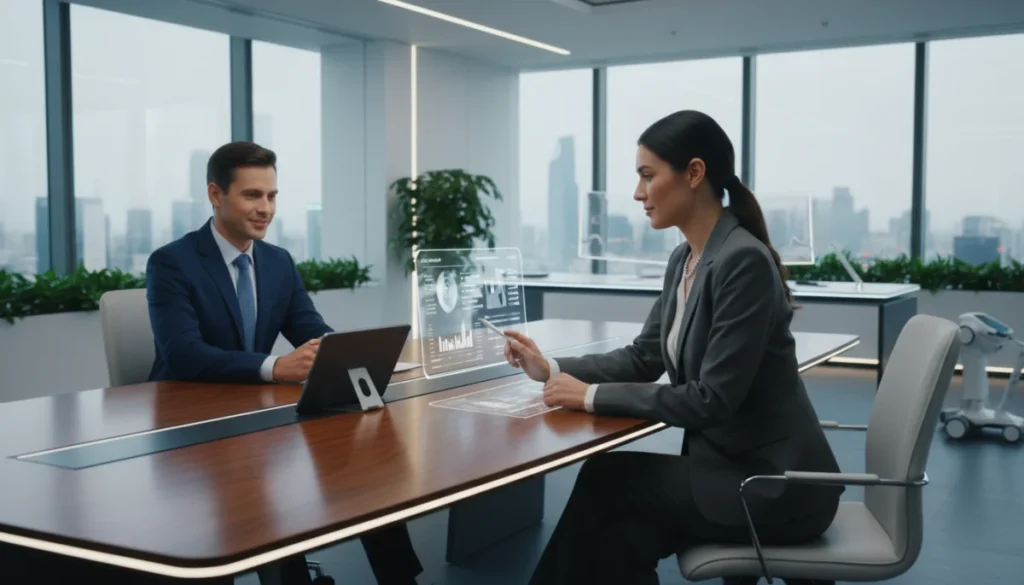
Mastering the job interview process in 2026 demands adaptability, blending virtual and in-person strategies, with success hinging on understanding hybrid formats, leveraging technology, and refining communication for both digital and traditional settings.
In the dynamic landscape of 2026, securing your dream job requires more than just a stellar resume; it demands mastery of modern interview techniques. Navigating both virtual and in-person scenarios effectively is crucial for anyone looking to stand out. This comprehensive guide will equip you with the essential strategies for interviewing in 2026, ensuring you are prepared for whatever format your next big opportunity presents.
The Evolving Interview Landscape in 2026
The world of work has undergone a profound transformation, and with it, the art of the job interview. In 2026, gone are the days when a single, standardized approach sufficed. Candidates now face a diverse array of interview formats, demanding a new level of adaptability and strategic preparation. Understanding this evolving landscape is the first step toward securing your desired role.
The shift towards hybrid work models has naturally extended to recruitment, making a blend of virtual and in-person interactions commonplace. This means that while traditional face-to-face meetings still hold value, proficiency in digital communication tools and etiquette is equally, if not more, important. Recruiters are seeking individuals who can seamlessly transition between these environments, demonstrating confidence and clarity regardless of the medium.
The Rise of Hybrid Interview Formats
Hybrid interviews are no longer an anomaly but a standard practice. These often involve initial virtual screenings followed by in-person final rounds, or even a mix where some interviewers are remote and others are present. This format requires candidates to be equally polished in both settings.
- Initial Virtual Screenings: Often conducted via video call, these focus on basic qualifications and cultural fit.
- Hybrid Panels: Some interviewers might be in the room, while others join remotely, testing your ability to engage with both.
- In-Person Deep Dives: Later stages may involve traditional face-to-face meetings for more in-depth discussions.
Candidates must prepare for each stage with specific strategies. For virtual interactions, ensuring a stable internet connection, appropriate lighting, and a clutter-free background are non-negotiable. For in-person meetings, traditional professionalism, including punctuality and appropriate attire, remains paramount. The key is to project a consistent, professional image across all platforms, demonstrating your readiness for the modern workplace.
Mastering Virtual Interview Techniques
Virtual interviews have become a cornerstone of the hiring process, and excelling in them requires a distinct set of skills beyond traditional interview etiquette. In 2026, simply knowing how to use video conferencing software isn’t enough; it’s about optimizing your digital presence to convey professionalism and competence. This section delves into the nuances of making a powerful impression from afar.
From technical preparation to non-verbal cues, every detail contributes to your overall presentation. A strong virtual interview performance shows not only your communication skills but also your adaptability and tech-savviness, qualities highly valued in today’s digital-first economy. Treat your virtual interview environment as an extension of your professional persona.
Technical Setup and Environment Optimization
Before the interview even begins, your technical setup can make or break your first impression. A reliable connection and a professional setting are fundamental.
- Internet Stability: Always test your internet connection beforehand. Consider having a backup plan, like a mobile hotspot.
- Audio and Video Quality: Use a good quality webcam and a headset with a microphone for clear audio. Avoid relying solely on built-in laptop microphones.
- Lighting: Position yourself with natural light facing you, or use a ring light. Avoid backlighting, which can make you appear as a silhouette.
- Background: Choose a clean, uncluttered, and professional background. Virtual backgrounds can be used, but ensure they are static and professional.
Beyond the technical aspects, consider your personal presentation. Dress as you would for an in-person interview, ensuring your attire is appropriate for the industry and role. Make eye contact by looking directly into your webcam, not at the screen. Practice active listening, nodding and smiling appropriately, and avoid distractions during the call. These small details collectively enhance your virtual presence and demonstrate your attention to detail.
Excelling in In-Person Interviews
While virtual interviews have gained prominence, in-person interviews remain a critical component of the hiring process, especially for senior roles or when cultural fit is paramount. These interactions offer a unique opportunity to build rapport and showcase your personality in a way that digital platforms sometimes limit. Excelling in an in-person setting requires a blend of traditional professionalism and modern awareness.
The tactile nature of an in-person meeting allows for subtle cues and direct engagement that can significantly influence an interviewer’s perception. From your arrival to your departure, every interaction contributes to the overall impression you leave. Prepare to leverage these opportunities to your advantage, demonstrating confidence and genuine interest.
Traditional Etiquette Meets Modern Expectations
The foundations of in-person interviewing haven’t changed drastically, but modern expectations mean a more nuanced approach to traditional etiquette.
- Punctuality: Arrive 10-15 minutes early to allow for unforeseen delays and to compose yourself.
- Professional Attire: Dress appropriately for the industry and company culture. When in doubt, err on the side of being slightly overdressed.
- Body Language: Maintain good posture, make consistent eye contact, and offer a firm handshake. Your non-verbal cues communicate confidence and engagement.
- Active Listening: Show you are engaged by listening attentively, nodding, and asking thoughtful follow-up questions.
Beyond these basics, be prepared to engage in genuine conversation. Research the company and the interviewers thoroughly to ask insightful questions that show your interest and understanding. Be ready to discuss your experiences with specific examples, utilizing the STAR method (Situation, Task, Action, Result) to structure your answers. Remember, an in-person interview is a two-way street; it’s also your opportunity to assess if the company and role are the right fit for you. Leave a lasting positive impression with a thoughtful thank-you note or email shortly after the meeting.
Leveraging Technology for Interview Preparation
In the age of digital transformation, technology isn’t just a tool for conducting interviews; it’s a powerful ally for preparation. In 2026, candidates who effectively leverage available tech resources will undoubtedly gain a competitive edge. From AI-powered practice platforms to advanced research tools, the digital landscape offers myriad ways to refine your skills and boost your confidence before the big day.
Gone are the days of solely relying on mock interviews with friends or family. Today, sophisticated applications can provide real-time feedback, helping you identify areas for improvement in your communication, body language, and even response content. Embracing these tools demonstrates your forward-thinking approach and commitment to excellence.
AI-Powered Practice and Feedback
Artificial intelligence is revolutionizing how candidates prepare for interviews, offering personalized and objective feedback.
- Virtual Interview Simulators: Platforms that mimic real interview scenarios, recording your responses and analyzing your speech patterns, tone, and eye contact.
- Personalized Feedback: AI tools can identify filler words, suggest improvements for clarity, and even assess your confidence level based on vocal inflections.
- Customized Question Banks: Access to extensive databases of industry-specific interview questions, often generated by AI to match current trends.
Beyond AI, utilize online professional networks like LinkedIn to research interviewers and company culture. Explore company websites, news articles, and financial reports to gain a comprehensive understanding of their mission, recent achievements, and challenges. Practice your answers out loud, perhaps even recording yourself to review your delivery. Technology provides unparalleled opportunities for self-assessment and refinement, ensuring you walk into every interview, virtual or in-person, fully prepared and confident. The proactive use of these tools signals a candidate who is serious about their career and adept at utilizing modern resources.

Crafting Compelling Stories and Responses
Beyond technical skills and polished presentation, the ability to tell compelling stories about your experiences is paramount in 2026 interviews. Recruiters are looking for more than just a list of accomplishments; they want to understand your thought process, problem-solving abilities, and how you apply your skills in real-world scenarios. Crafting impactful responses that resonate with interviewers is an art form that can significantly differentiate you from other candidates.
Every answer you provide should be an opportunity to showcase your value and align your experiences with the job requirements. This requires thoughtful preparation, not just memorizing answers, but internalizing your narratives so they feel authentic and natural during the conversation.
The STAR Method: Your Storytelling Framework
The STAR method (Situation, Task, Action, Result) remains an indispensable framework for structuring your answers to behavioral interview questions.
- Situation: Briefly describe the context or background of your experience.
- Task: Explain the specific challenge or goal you faced.
- Action: Detail the steps you took to address the task, highlighting your personal contribution.
- Result: Quantify the outcome of your actions and what you learned from the experience.
Practice applying the STAR method to various scenarios from your past roles. Tailor your stories to the specific job description and company values. For example, if the role emphasizes teamwork, share a story where your collaborative efforts led to a successful outcome. If innovation is key, highlight instances where you introduced new ideas or processes. Remember to quantify your results whenever possible, as numbers speak volumes. For instance, instead of saying “I improved efficiency,” say “I improved efficiency by 15% through implementing a new software.” This level of detail makes your stories more credible and memorable, leaving a lasting impression on the interviewer.
Post-Interview Follow-Up and Impression Management
The interview doesn’t truly end when you leave the virtual meeting or the office. The post-interview follow-up is a critical, often overlooked, stage that can significantly impact your chances of securing the job. In 2026, a thoughtful and strategic follow-up demonstrates your professionalism, continued interest, and attention to detail, reinforcing the positive impression you’ve already made.
This stage is your final opportunity to reiterate your enthusiasm, address any points you might have missed, and solidify your candidacy. A well-executed follow-up can set you apart in a competitive job market, showing recruiters that you are not only qualified but also genuinely invested in the opportunity.
Strategic Thank-You Notes and Beyond
A personalized thank-you note is non-negotiable, but in 2026, the approach can be more nuanced.
- Timeliness: Send a thank-you email within 24 hours of the interview. For in-person interviews, a handwritten note can also be a powerful touch, but ensure it arrives promptly.
- Personalization: Address each interviewer individually and reference specific points discussed during your conversation. This shows you were attentive and engaged.
- Reiterate Interest: Clearly state your continued enthusiasm for the role and the company.
- Add Value: If there was a question you felt you could have answered better, or if a relevant article/resource came to mind post-interview, briefly share it to demonstrate your ongoing thought process.
Beyond the initial thank-you, consider if there’s any additional information you can provide that strengthens your application, without being intrusive. This could be a portfolio update, a relevant project link, or a brief insight related to a challenge discussed. However, avoid excessive communication or badgering. The goal is to maintain a professional presence and remind them of your value without becoming a nuisance. A well-timed, thoughtful follow-up strategy ensures your application remains top-of-mind and reinforces your commitment to the role.
Navigating AI and Automation in Interviews
As we advance into 2026, artificial intelligence and automation are increasingly integrated into the interview process, transforming how candidates are screened and assessed. Understanding how these technologies work and adapting your approach accordingly is crucial for success. From initial resume screening to AI-powered video analysis, candidates must be prepared to interact with algorithms as much as with human recruiters.
This evolution presents both opportunities and challenges. While AI can streamline the process and reduce human bias in some aspects, it also requires candidates to optimize their profiles and communication style for algorithmic evaluation. Being aware of these technological shifts is key to navigating the modern job market effectively.
Optimizing for Applicant Tracking Systems (ATS)
Applicant Tracking Systems (ATS) are the first gatekeepers in many hiring processes, automatically filtering resumes based on keywords and formatting.
- Keyword Optimization: Tailor your resume and cover letter with keywords directly from the job description.
- Clean Formatting: Use standard, easy-to-read fonts and simple layouts that ATS can parse easily. Avoid complex graphics or tables.
- Quantifiable Achievements: Highlight achievements with numbers and metrics, as these are often picked up by ATS.
Beyond ATS, some companies utilize AI for initial video interviews, analyzing facial expressions, tone of voice, and even word choice to assess personality traits and communication effectiveness. While these systems are still evolving, it’s wise to practice speaking clearly, maintaining steady eye contact with the camera, and projecting confidence. Be mindful of your background and lighting, as these elements can also be part of the AI’s assessment. Remember that while AI plays a role, human interaction remains the ultimate decision-maker. Therefore, balance your tech-savvy approach with genuine human connection and authenticity in every stage of the interview process. Adapting to these AI-driven tools demonstrates your forward-thinking mindset and readiness for the future of work.
| Key Aspect | Brief Description |
|---|---|
| Hybrid Interviewing | Mastering both virtual and in-person communication is essential for 2026 job interviews. |
| Virtual Presence | Optimize technical setup, lighting, and background for a professional online impression. |
| Storytelling with STAR | Use the STAR method to craft compelling, results-oriented responses to behavioral questions. |
| AI in Recruitment | Understand ATS and AI video analysis to optimize resumes and communication for automated screening. |
Frequently Asked Questions About Interviewing in 2026
The most significant change is the prevalence of hybrid interview formats, requiring candidates to be equally proficient in both virtual and in-person settings. Adaptability across different platforms, leveraging technology effectively, and maintaining consistent professionalism are paramount for success in the modern job market.
Technical setup is extremely important for virtual interviews. A stable internet connection, clear audio, good lighting, and a professional background are crucial. These elements directly impact your first impression and ensure clear communication, reflecting your attention to detail and tech-savviness to potential employers.
Yes, sending a thank-you note is still essential. It reinforces your interest, professionalism, and helps you stand out. Personalize each note by referencing specific discussion points and reiterating your enthusiasm for the role. Timeliness, ideally within 24 hours, is key for maximum impact.
AI tools can significantly enhance interview preparation through virtual simulators that analyze your speech, tone, and body language, providing personalized feedback. They can also offer customized question banks and help you refine your answers, boosting your confidence and improving your overall delivery for various interview scenarios.
The most effective way to answer behavioral questions is by using the STAR method: Situation, Task, Action, Result. This structured approach allows you to tell a concise, impactful story about your experiences, showcasing your skills and the positive outcomes of your efforts in a clear and memorable way.
Conclusion
As we navigate the complexities of the 2026 job market, mastering both virtual and in-person interview techniques is no longer an option but a necessity. The landscape demands adaptability, technological proficiency, and the ability to articulate your value through compelling narratives. By understanding the nuances of hybrid formats, leveraging advanced preparation tools, and refining your communication skills for every setting, you can confidently approach any interview. Your dream job is within reach, provided you equip yourself with the strategies to succeed in this dynamic era of recruitment. Embrace these evolving methods, and you will undoubtedly stand out to potential employers, securing your place in the future workforce.
