2026 Standardized Testing Changes for US College Admissions
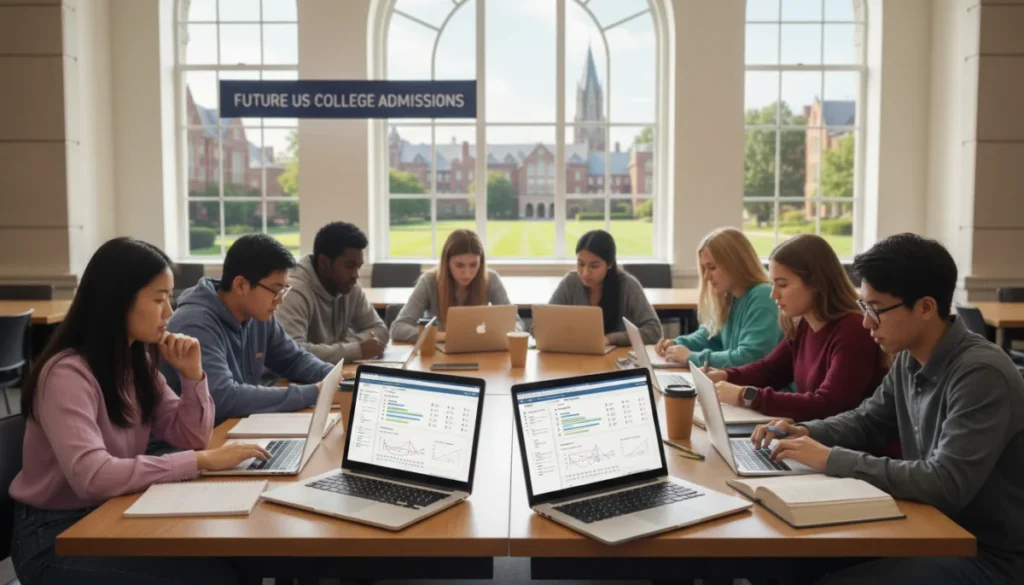
The 2026 changes to standardized testing for US college admissions are set to redefine how applicants are evaluated, focusing on digital formats and evolving equity considerations.
As the landscape of higher education continually evolves, prospective students and their families are keenly watching the upcoming 2026 standardized testing changes for US college admissions. These shifts promise to reshape how colleges evaluate applicants, making it crucial for everyone involved to understand the implications and prepare accordingly.
The evolving role of standardized tests in admissions
Standardized tests like the SAT and ACT have long been cornerstones of the US college admissions process. They provide a common metric for evaluating students from diverse educational backgrounds. However, their role has been subject to intense debate, particularly concerning equity, access, and predictive validity.
The push for change gained significant momentum during the pandemic, when many institutions adopted test-optional policies. This period offered a real-world experiment, revealing both challenges and opportunities in de-emphasizing standardized scores. The 2026 changes are a direct response to these evolving conversations, aiming to create a more holistic and equitable admissions framework.
Historical context and recent trends
For decades, the SAT and ACT were considered indispensable. Their perceived objectivity offered a seemingly fair way to compare students. However, critics often pointed to inherent biases related to socioeconomic status, access to test preparation resources, and cultural factors.
- Pre-pandemic era: Standardized tests were largely mandatory for selective colleges.
- Pandemic-driven shift: Widespread adoption of test-optional policies due to accessibility issues.
- Post-pandemic reassessment: Colleges are now evaluating long-term strategies, leading to new policies.
The move towards 2026 signifies a formalization of many lessons learned from the test-optional experiment. It’s not merely a return to old ways but a thoughtful recalibration, blending the desire for objective data with a commitment to broader access and fairness.
Understanding the historical backdrop helps contextualize why these changes are happening now. The goal is to move beyond a single data point and embrace a more comprehensive view of student potential.
Key changes to the SAT and ACT for 2026
Both the College Board (SAT) and ACT, Inc. are implementing significant modifications to their respective tests. These changes are designed to adapt to a digital world, enhance security, and potentially address some long-standing criticisms regarding test format and content. Students must be aware of these structural and logistical shifts.
The most prominent change is the transition to a fully digital format for the SAT, with the ACT also exploring similar adaptations. This isn’t just about moving from paper to screen; it involves fundamental alterations to test administration, timing, and question types. These updates will impact how students prepare and experience the tests.
Digital SAT implementation details
The digital SAT, which started its international rollout in 2023 and will be fully implemented in the US by spring 2024, sets the stage for the 2026 admissions cycle. Key features include:
- Adaptive testing: The test will be section-adaptive, meaning the difficulty of the second module in both Reading & Writing and Math sections will adjust based on performance in the first module.
- Shorter test duration: The digital SAT will be approximately two hours and 14 minutes long, compared to the previous three-hour paper test.
- Integrated calculator: A calculator will be permitted for the entire math section and will be built into the testing platform.
- Shorter reading passages: Reading passages will be shorter, with one question per passage, making them more focused.
These changes aim to make the test more engaging, secure, and accessible. The adaptive nature means that each student’s test experience will be slightly personalized, potentially leading to more precise scoring. For students, this means a different rhythm and approach to preparation, focusing on adapting to question types and managing time efficiently within the new structure.
The move to digital also opens doors for more flexible testing dates and faster score reporting, streamlining the entire process for students and institutions.
Impact on college admissions policies and requirements
The modifications to standardized tests will inevitably lead to shifts in how colleges approach admissions. While some institutions may fully embrace the new digital formats, others might continue to experiment with test-optional or test-blind policies. The landscape will likely become more varied, requiring students to carefully research individual college requirements.
Colleges are increasingly looking for a more holistic view of applicants, moving beyond just test scores and GPA. The 2026 changes provide an opportunity for admissions committees to emphasize other aspects of a student’s profile, such as essays, extracurriculars, recommendations, and demonstrated interests. This comprehensive evaluation aims to identify students who are a good fit for their specific academic and social environments.
Test-optional, test-blind, and test-preferred policies
The debate around standardized testing has led to a spectrum of policies among US colleges:
- Test-optional: Students can choose whether or not to submit scores. If submitted, scores are considered; if not, other application components are weighed more heavily.
- Test-blind (or test-free): Colleges do not consider standardized test scores at all, even if submitted.
- Test-preferred: While not mandatory, submitting strong scores can significantly enhance an application. This is often an unspoken policy at highly selective institutions.
For the 2026 cycle, more colleges might clarify their stance, potentially leading to an increase in test-optional policies that are more refined, or even a return to test-required for some institutions that found value in the scores. Students should monitor the admissions pages of their target schools closely, as policies can change right up to the application season. The flexibility offered by digital tests might also influence these decisions, making it easier for colleges to require scores if they choose.
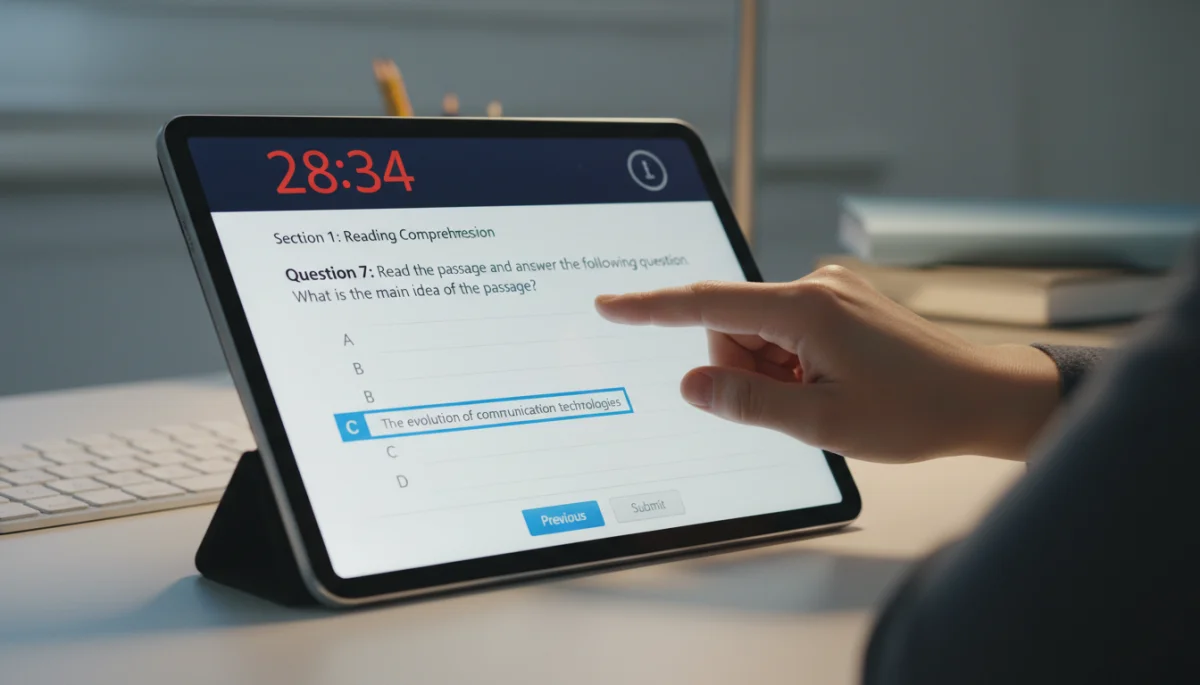
The shift means that a student’s entire application package, not just their test scores, will play a more critical role. This emphasizes the importance of a well-rounded academic record and compelling personal essays.
Strategies for students preparing for 2026 admissions
Given the significant changes, students aiming for college admissions in 2026 and beyond need to adapt their preparation strategies. The focus should be on understanding the new test formats, leveraging available resources, and building a strong overall application that showcases their unique strengths. Early preparation and a flexible mindset will be key.
It’s no longer enough to simply memorize facts or practice old test questions. The digital adaptive format requires a different kind of strategic thinking and familiarity with online testing environments. Students should prioritize diagnostic testing to identify their strengths and weaknesses within the new structure, and then target their study efforts efficiently.
Effective preparation techniques for the digital era
Preparing for the digital SAT or ACT demands a modern approach:
- Familiarize with digital platforms: Practice with official digital practice tests provided by College Board and ACT, Inc. to get comfortable with the interface, tools, and timing.
- Understand adaptive logic: Recognize that performance on early sections influences later sections. Maintain focus and accuracy throughout.
- Focus on core skills: While the format changes, the underlying academic skills in reading, writing, and math remain crucial. Strengthen these foundational abilities.
- Time management practice: The shorter test duration means efficient pacing is more critical than ever. Practice answering questions accurately under timed conditions.
- Leverage online resources: Utilize Khan Academy for SAT prep and other reputable online platforms that offer digital test simulations and targeted lessons.
Beyond test prep, students should also focus on developing a compelling narrative through their essays, securing strong letters of recommendation, and engaging in meaningful extracurricular activities. The holistic review process means every component of the application contributes to the overall impression. A balanced approach that combines strong academic performance with strategic test preparation will yield the best results.
Equity and access considerations in the new testing landscape
A primary driver behind the standardized testing changes is the ongoing conversation about equity and access in higher education. Critics have long argued that traditional tests disproportionately favor affluent students who can afford extensive test prep. The digital format aims to address some of these disparities, but new challenges may also emerge.
The College Board and ACT, Inc. are actively working to ensure that the transition to digital testing does not create new barriers. This includes providing devices and internet access for students who need them, as well as ensuring testing centers are widely available. However, the digital divide remains a significant concern, especially in rural or underserved areas.
Addressing the digital divide and resource disparities
Ensuring equitable access to digital tests involves several key initiatives:
- Device provision: Schools and testing centers are being equipped with devices for students who do not have their own.
- Internet access: Efforts are underway to ensure reliable internet connectivity at testing sites.
- Fee waivers: Continued availability of fee waivers for low-income students for both test registration and college applications.
- Free preparation resources: Partnerships with organizations like Khan Academy provide free, high-quality digital test prep resources to all students.
While these measures are vital, the underlying issue of educational inequality persists. Students from under-resourced schools may still face challenges in classroom preparation and access to advanced coursework, which are foundational for test success. The 2026 changes represent a step towards a more level playing field, but continuous advocacy and support will be necessary to truly close the gaps.
The hope is that by making tests more accessible and potentially more reflective of classroom learning, these changes can contribute to a fairer admissions process. However, the success of these equity initiatives will depend heavily on robust implementation and ongoing evaluation.
Preparing for a comprehensive application beyond scores
With the 2026 changes, the emphasis on a comprehensive application is stronger than ever. While standardized test scores may still play a role for many institutions, they are increasingly just one piece of a much larger puzzle. Students should focus on building a strong, well-rounded profile that highlights their unique talents, passions, and potential contributions to a college community.
This holistic approach means investing time and effort into every part of the application. Colleges are looking for individuals who will thrive academically and contribute positively to campus life. Therefore, demonstrating intellectual curiosity, leadership, resilience, and a commitment to service can be just as important as test scores.
Key components of a strong holistic application
To stand out in the 2026 admissions cycle, consider these application elements:
- Academic record: Maintain strong grades in challenging courses. This is often the most important factor.
- Essays and personal statements: Craft compelling narratives that reveal your personality, experiences, and aspirations. Authenticity is crucial.
- Extracurricular activities: Engage in activities that genuinely interest you and demonstrate sustained commitment, leadership, and impact. Quality over quantity.
- Letters of recommendation: Cultivate strong relationships with teachers and counselors who can speak to your character, work ethic, and potential.
- Interviews: If offered, prepare thoroughly to articulate your interests and demonstrate your fit with the institution.
- Portfolios/supplements: For specific programs (e.g., arts, engineering), submit strong portfolios or supplementary materials that showcase your talents.
Each component of the application provides an opportunity to tell your story and demonstrate why you would be a valuable addition to a college. By focusing on these elements, students can build an application that conveys their strengths and personality, regardless of how much weight a particular institution places on standardized test scores. The aim is to present a cohesive and authentic representation of who you are as a learner and as a person.
| Key Aspect | Brief Description |
|---|---|
| Digital Test Format | SAT is fully digital and adaptive, with shorter duration and integrated calculator. ACT is also exploring digital options. |
| Admissions Policies | Colleges may maintain or adjust test-optional, test-blind, or test-required policies. Research individual school requirements. |
| Student Preparation | Familiarize with digital platforms, practice adaptive sections, and focus on core academic skills for effective preparation. |
| Holistic Application | Emphasis on strong academic record, compelling essays, meaningful extracurriculars, and robust recommendations. |
Frequently asked questions about 2026 testing changes
The SAT will be entirely digital, shorter (around 2 hours 14 minutes), and adaptive. It will feature shorter reading passages with one question each, and a built-in calculator will be available for the entire math section. This aims to make the test more efficient and secure.
No, not all colleges will require scores. Many institutions are expected to continue with test-optional or test-blind policies. Students should research the specific requirements of each college they plan to apply to, as policies can vary significantly.
Preparation should focus on familiarizing oneself with the digital testing platform, understanding adaptive scoring, practicing with official digital materials, and strengthening core academic skills. Time management and strategic thinking for the new format are also crucial.
Equity is a key consideration. The digital format aims to reduce disparities, with efforts to provide devices, internet access, and fee waivers. However, addressing the digital divide and broader educational inequalities will remain an ongoing challenge for educators and policymakers.
Colleges prioritize a holistic review. A strong academic record, compelling essays, meaningful extracurricular activities, and insightful letters of recommendation are vital. These elements collectively demonstrate a student’s potential and fit for a particular institution.
Conclusion
The 2026 standardized testing changes for US college admissions mark a pivotal moment in higher education. This evolution, driven by technological advancements and a deepened commitment to equity, reshapes how students prepare and how colleges evaluate applicants. For prospective students, understanding these shifts is not just about adapting to new test formats; it’s about embracing a more comprehensive approach to their college applications. By focusing on strong academic performance, engaging in meaningful extracurriculars, crafting authentic essays, and strategically preparing for the digital tests, students can confidently navigate the evolving admissions landscape. The future of college admissions is less about a single score and more about presenting a well-rounded, compelling narrative of one’s potential and passions.
