Air Travel Consumer Rights 2026: Delays, Cancellations & Compensation

Understanding air travel consumer rights in 2026 is essential for passengers to effectively claim compensation and navigate airline policies when facing flight delays or cancellations.
Facing a flight delay or cancellation can quickly turn an anticipated journey into a stressful ordeal. However, in 2026, knowing your air travel consumer rights is more important than ever to ensure you are not left stranded without recourse. This comprehensive guide will walk you through the specifics of what to do when your flight plans go awry and how to claim the compensation you are rightfully owed.
Understanding the Landscape of Air Travel Consumer Rights in 2026
The regulatory environment governing air travel consumer rights is dynamic, with updates and clarifications frequently introduced to better protect passengers. In 2026, the United States Department of Transportation (DOT) continues to be the primary authority overseeing these protections, ensuring that airlines adhere to certain standards regarding delays, cancellations, and passenger welfare. These regulations are designed to provide a safety net for travelers, offering clear guidelines on what to expect and what actions to take when disruptions occur.
It is crucial for every traveler to be aware of these rights, as airlines are not always proactive in informing passengers of their entitlements. Being informed empowers you to advocate for yourself and secure the compensation or assistance you deserve. This section will delve into the fundamental aspects of these rights, setting the stage for a deeper understanding of specific scenarios.
Key Regulations and Protections
The DOT’s primary role is to ensure fair treatment and transparency within the airline industry. This includes rules around tarmac delays, denied boarding, and baggage liability. While there isn’t a single, all-encompassing law for every situation, a combination of federal regulations and airline contractual agreements forms the basis of your rights.
- Tarmac Delay Rule: Limits how long an airline can keep passengers on a plane without deplaning them, generally three hours for domestic flights and four hours for international flights, with exceptions for safety or security.
- Denied Boarding Compensation: Specifies the compensation passengers are due if they are involuntarily denied boarding due to overbooking, often up to 400% of the one-way fare, capped at a certain amount.
- Baggage Liability Limits: Sets the maximum liability for lost, damaged, or delayed baggage on domestic and international flights, providing a benchmark for claims.
These core protections serve as a foundation, but the specifics of assistance for delays and cancellations often depend on the airline’s own Contract of Carriage. This legally binding document outlines the terms and conditions of your travel, including what the airline will provide in case of disruptions. Familiarizing yourself with this document, particularly before travel, can save considerable frustration.
Understanding these foundational elements of air travel consumer rights in 2026 is the first step toward effective self-advocacy. The landscape is complex, but with knowledge, passengers can navigate it confidently. The next sections will explore specific scenarios and practical steps for claiming compensation.
Decoding Flight Delays: Your Rights and Recourse in 2026
Flight delays are an unfortunate reality of air travel, and in 2026, passengers still contend with various reasons for their occurrence, from weather to mechanical issues. When your flight is delayed, understanding your rights is paramount, as the specific assistance or compensation you are entitled to can vary significantly based on the length of the delay and its cause. The DOT distinguishes between delays that are within the airline’s control and those that are not, a distinction that heavily influences your recourse.
Generally, for significant delays within the airline’s control, passengers have a stronger claim for assistance. This includes delays caused by mechanical problems, crew issues, or operational decisions. Delays due to uncontrollable events like severe weather or air traffic control restrictions typically offer fewer mandated protections, though airlines may still offer goodwill gestures.
What Constitutes a Significant Delay?
While there isn’t a universally defined ‘significant delay’ in US regulations that automatically triggers compensation, airlines often have internal policies. However, the DOT does monitor delays and encourages airlines to provide amenities for extended ground delays. For delays impacting your travel plans, especially those over three hours, it’s wise to begin documenting your situation.
- Domestic Flights: Typically, delays of 3 hours or more may trigger certain airline responsibilities, though this isn’t a hard-and-fast rule for compensation.
- International Flights: For flights originating or ending in the US, similar unofficial thresholds apply, but some international agreements (like the Montreal Convention) can offer more specific compensation for delays on international legs.
- Airline Control vs. External Factors: Whether the delay was due to maintenance, crew availability (airline control) or weather, natural disasters (external factors) is key.
When a delay is substantial and attributable to the airline, you may be entitled to amenities such as meal vouchers, hotel accommodation if an overnight stay is required, and transportation between the airport and hotel. These provisions are not always automatically offered, so it’s essential to ask directly. Keep all receipts if you incur expenses for food or lodging that you believe the airline should cover.
Ultimately, navigating flight delays in 2026 requires patience and persistence. Document everything, communicate clearly with airline staff, and know the difference between delays within and outside the airline’s control to best assert your air travel consumer rights. This proactive approach will be invaluable should you need to pursue further action.
Flight Cancellations in 2026: Your Options and Compensation Pathways
A flight cancellation is arguably more disruptive than a delay, often leaving travelers scrambling to find alternative arrangements. In 2026, airlines have clear obligations to passengers when a flight is canceled, particularly if the cancellation is within their control. The core principle is that if an airline cancels a flight, they must offer you a refund for the unused portion of your ticket or rebook you on another flight, even if it’s with a different airline. This choice is yours, not the airline’s.
Understanding this fundamental right is crucial, as airlines will often prioritize rebooking on their own services. However, if their alternatives are unsuitable or significantly delayed, you have the right to a full refund. This applies even to non-refundable tickets, a common misconception among travelers.
Rebooking and Refunds: What You Need to Know
When faced with a cancellation, your immediate priority should be to understand your rebooking options and your right to a refund. Airlines are generally obligated to get you to your destination on their next available flight, or a partner airline’s flight, at no additional cost. However, if this new itinerary is unacceptable, you can opt for a full refund.
- Full Refund: If you choose not to travel due to the cancellation, the airline must provide a full refund, including any baggage fees or seat selection charges you paid. This applies even if your ticket was non-refundable.
- Alternative Transportation: If the airline cannot rebook you to your destination within a reasonable timeframe, they may be required to cover the cost of alternative transportation, though this is often determined on a case-by-case basis or by their Contract of Carriage.
- Vouchers vs. Cash: Be wary of accepting travel vouchers as a sole form of compensation if you are entitled to a cash refund. Vouchers often come with restrictions and expiration dates.
Beyond rebooking or refunds, if the cancellation is within the airline’s control and results in an overnight stay, you should also be offered meal vouchers and hotel accommodation. These are not always guaranteed for cancellations due to uncontrollable events like weather, but many airlines extend such courtesies as a matter of good customer service. Always inquire about these benefits directly with airline staff.
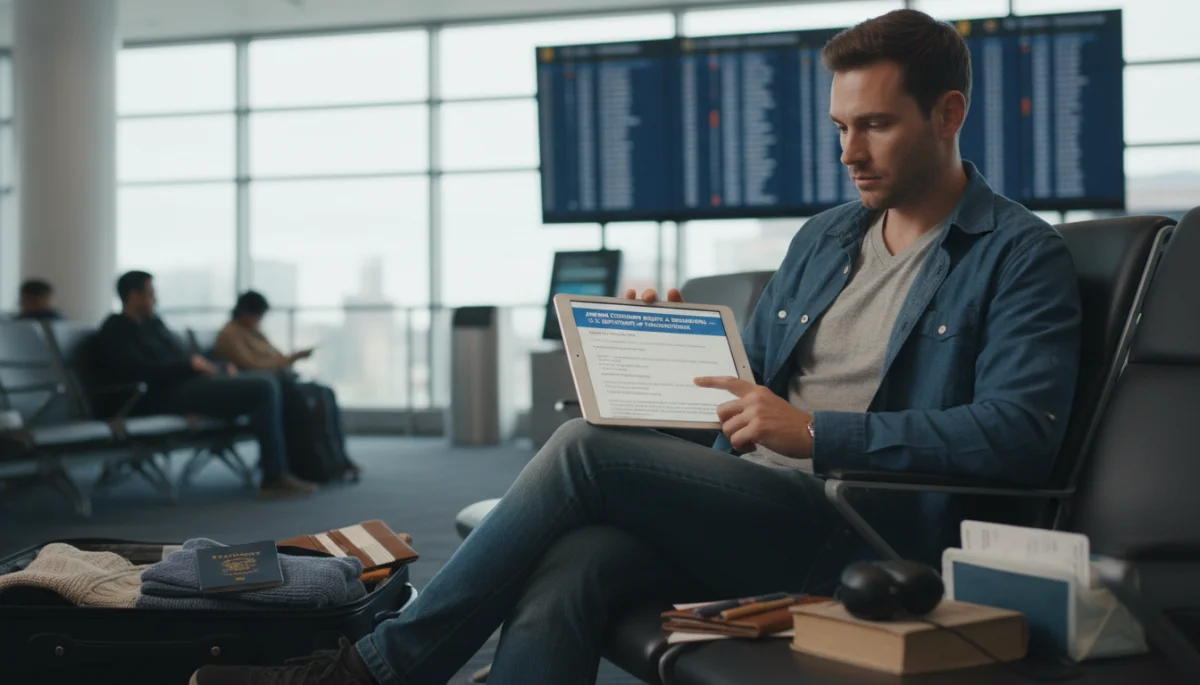
Successfully navigating flight cancellations in 2026 means being assertive and knowledgeable about your air travel consumer rights. Do not hesitate to ask for what you are entitled to, and be prepared to provide documentation of your original booking and any expenses incurred due to the cancellation.
The Role of the Department of Transportation (DOT) in Protecting Your Rights
The United States Department of Transportation (DOT) plays a critical role in safeguarding air travel consumer rights. It acts as the primary federal agency responsible for regulating various aspects of air travel, including consumer protection. While the DOT does not directly compensate passengers, it sets the rules that airlines must follow and investigates complaints, ensuring that airlines adhere to their stated policies and federal regulations. This oversight is vital for maintaining a fair and transparent aviation industry.
Understanding the DOT’s functions and how to engage with them can be a powerful tool for passengers who feel their rights have been violated. Their website is a treasure trove of information, offering detailed explanations of consumer rights, airline responsibilities, and complaint procedures. Familiarizing yourself with these resources is a proactive step in protecting your travel investments.
Filing a Complaint with the DOT
If you believe an airline has failed to uphold its obligations or violated your rights, filing a complaint with the DOT is an important step. This process helps the DOT identify patterns of misconduct and take appropriate action against airlines. While the DOT won’t resolve individual disputes directly, it will forward your complaint to the airline and require a response.
- Online Complaint Form: The easiest way to file a complaint is through the DOT’s Aviation Consumer Protection Division website.
- Detailed Information: Provide as much detail as possible, including flight numbers, dates, airline names, and a clear description of the issue and your desired resolution.
- Supporting Documentation: Attach copies of your tickets, correspondence with the airline, and any receipts for expenses incurred due to the disruption.
The DOT’s involvement serves as an important layer of accountability for airlines. While it may not result in immediate compensation for your specific case, a formal complaint can often spur the airline to re-evaluate your situation and offer a more satisfactory resolution. Furthermore, aggregated complaints inform future policy decisions and enforcement actions, ultimately benefiting all travelers.
In 2026, the DOT remains a cornerstone of air travel consumer rights in the US. Passengers should not hesitate to utilize this resource if they feel their concerns are not being adequately addressed by the airline. It represents a vital avenue for ensuring fair treatment and holding airlines accountable for their service.
Strategies for Claiming Compensation Effectively in 2026
Claiming compensation for flight delays or cancellations can sometimes feel like an uphill battle, but with the right strategies, you can significantly improve your chances of success. The key lies in thorough preparation, clear communication, and persistence. In 2026, passengers have several tools and resources at their disposal to navigate the claims process, from direct negotiation with airlines to leveraging third-party services.
Remember that airlines are businesses, and while they have obligations, they may not always volunteer the maximum possible compensation. It’s up to you to know your air travel consumer rights and assert them effectively. This section will outline practical steps and considerations for a successful compensation claim.
Document Everything and Communicate Clearly
The foundation of any successful claim is comprehensive documentation. From the moment a disruption occurs, start gathering information. This evidence will be crucial in supporting your case with the airline or any regulatory body.
- Keep Records: Save all boarding passes, ticket confirmations, and any communication from the airline regarding the delay or cancellation.
- Note the Details: Record flight numbers, dates, times, and the stated reason for the disruption. If you speak to airline staff, note their names and the time of the conversation.
- Track Expenses: Keep all receipts for meals, accommodation, or alternative transportation you had to pay for out-of-pocket due to the disruption.
- Clear Communication: When contacting the airline, be polite but firm. Clearly state your issue, your understanding of your rights, and what compensation you are seeking.
Initial contact with the airline should ideally be through their official customer service channels, such as their website’s complaint form or a dedicated email address. Avoid relying solely on verbal agreements made at the airport, as these can be difficult to prove later. If your initial attempts are unsuccessful, consider sending a formal letter or email, clearly outlining your case and including all supporting documentation.
If direct negotiation with the airline proves fruitless, you might consider escalating your complaint to the DOT, as previously discussed. Additionally, there are several online services that specialize in helping passengers claim compensation, often operating on a no-win, no-fee basis. While they take a percentage of the compensation, they can be invaluable for complex cases or if you wish to avoid the administrative burden.
By adopting these strategies, passengers in 2026 can significantly enhance their ability to claim fair compensation for disruptions, ensuring their air travel consumer rights are respected and upheld.
Travel Insurance in 2026: An Essential Layer of Protection
While air travel consumer rights provide a baseline of protection, travel insurance offers an additional, often crucial, layer of security for unforeseen events. In 2026, with the continued potential for disruptions ranging from unexpected delays to medical emergencies, a comprehensive travel insurance policy can be an invaluable investment. It often covers scenarios not addressed by airline policies or government regulations, providing financial reimbursement and assistance that goes beyond basic entitlements.
Choosing the right travel insurance policy requires careful consideration of your specific travel needs and the potential risks involved. Not all policies are created equal, and understanding the nuances of coverage is essential to ensure you are adequately protected.
Types of Coverage and What to Look For
Travel insurance policies typically offer a range of benefits, each designed to address different types of travel-related problems. When evaluating policies for your 2026 travels, pay close attention to the specific coverage details, especially those related to flight disruptions.
- Trip Cancellation/Interruption: Reimburses non-refundable expenses if your trip is canceled or cut short due to covered reasons, such as illness, severe weather, or unforeseen airline issues.
- Travel Delay: Provides compensation for meals, accommodation, and other necessary expenses if your trip is delayed for a specified period (e.g., 3-6 hours) due to a covered event.
- Baggage Delay/Loss: Offers reimbursement for essential items if your luggage is delayed and covers replacement costs if it’s lost or stolen.
- Medical Emergencies: Crucial for international travel, covering emergency medical treatment and evacuation.
It’s important to read the policy’s fine print, particularly the exclusions. For example, some policies may not cover disruptions due to pre-existing medical conditions or events that were foreseeable at the time of purchase. Always compare multiple policies from reputable providers to find one that best suits your trip and budget. Consider whether you need a single-trip policy or an annual multi-trip policy if you travel frequently.
While air travel consumer rights provide a foundation, travel insurance acts as a robust supplement, offering peace of mind and financial security against a broader spectrum of travel mishaps. In 2026, considering travel insurance as an integral part of your trip planning is a smart decision, ensuring you are well-prepared for any eventuality that might affect your journey.
Looking Ahead: Future Trends in Air Travel Consumer Rights (2026 and Beyond)
The landscape of air travel consumer rights is not static; it continually evolves in response to technological advancements, industry practices, and shifting passenger expectations. In 2026, we can anticipate further discussions and potential legislative changes aimed at enhancing passenger protections, especially in light of past global disruptions and the increasing complexity of air travel. Staying informed about these potential future trends is crucial for passengers to remain proactive in protecting their interests.
One significant area of focus is likely to be increased transparency regarding airline fees and policies. The DOT has consistently pushed for clearer disclosures, and this trend is expected to continue, potentially leading to more standardized compensation frameworks and easier access to crucial information for consumers.
Potential Legislative Changes and Advocacy
Advocacy groups and consumer protection organizations continually lobby for stronger passenger rights. In 2026, we might see legislative efforts aimed at addressing gaps in current regulations, particularly concerning compensation for significant delays or cancellations that are not explicitly covered by existing federal mandates. The goal is often to align US regulations more closely with those in other regions, such as the European Union, which has more stringent compensation rules.
- Enhanced Compensation for Delays: Discussions may continue around mandating compensation for lengthy domestic delays, similar to EU regulations (EC 261).
- Greater Refund Transparency: Further regulations could streamline the refund process, ensuring quicker and more automatic reimbursements for canceled flights.
- Improved Communication: Airlines might be required to provide more timely and comprehensive updates to passengers during disruptions, leveraging new technologies.
Another emerging trend involves the use of artificial intelligence and advanced analytics by airlines to predict and mitigate disruptions. While primarily aimed at improving operational efficiency, these technologies could also indirectly benefit passengers by reducing the frequency of delays and cancellations. However, it will be important to ensure that these advancements do not inadvertently create new challenges for consumer advocacy or data privacy.
As we look beyond 2026, the ongoing dialogue between regulators, airlines, and consumer advocates will shape the future of air travel consumer rights. Being aware of these evolving trends will empower travelers to adapt and continue to assert their entitlements effectively in an increasingly dynamic travel environment.
| Key Aspect | Brief Description |
|---|---|
| Flight Delays | Rights depend on delay cause and length; seek amenities for airline-controlled issues. |
| Flight Cancellations | Entitled to full refund or rebooking, even for non-refundable tickets. |
| DOT Role | Sets regulations and investigates complaints, ensuring airline accountability. |
| Travel Insurance | Offers extra protection beyond airline obligations for various travel mishaps. |
Frequently Asked Questions About Air Travel Consumer Rights
If your flight is significantly delayed due to reasons within the airline’s control, you may be entitled to amenities like meal vouchers and hotel accommodation. While there’s no federal law mandating compensation for delays, airlines often have policies in their Contract of Carriage. Always ask airline staff directly about available assistance and keep records of all communications.
Yes, if your flight is canceled, regardless of the reason, and you choose not to travel, the airline must provide a full refund for the unused portion of your ticket. This applies even if your ticket was advertised as non-refundable. You have the right to choose a refund over rebooking on an alternative flight.
The Department of Transportation (DOT) sets regulations for air travel consumer rights and investigates complaints. While the DOT doesn’t directly resolve individual disputes, it forwards complaints to airlines and requires a response. This process helps the DOT identify systemic issues and can encourage airlines to resolve your specific case more favorably.
Travel insurance offers an additional layer of protection beyond your basic consumer rights. It can cover a wider range of unforeseen events, such as medical emergencies, lost baggage, or trip interruptions due to reasons not covered by airline policies. It provides financial reimbursement and assistance that complements federal regulations.
Immediately gather all flight information, document the reason for the disruption, and speak with airline staff. Inquire about rebooking options, refunds, and any available amenities like meal vouchers or accommodation. Keep all receipts for expenses incurred. If unsatisfied, consider filing a complaint with the airline and the DOT.
Conclusion
Navigating the complexities of air travel in 2026, particularly when faced with unexpected delays or cancellations, underscores the vital importance of understanding your air travel consumer rights. While disruptions are an inevitable part of flying, informed passengers are empowered to advocate for themselves, ensuring they receive the compensation and assistance they are due. By staying updated on DOT regulations, meticulously documenting every aspect of your travel issues, and understanding the role of travel insurance, you can transform a potentially frustrating experience into a manageable situation. Proactive engagement with airlines and regulatory bodies is key to asserting these rights, ultimately fostering a more equitable and transparent air travel experience for all.
