2026 Used Car Buying: Avoid Costly Mistakes with Our Checklist
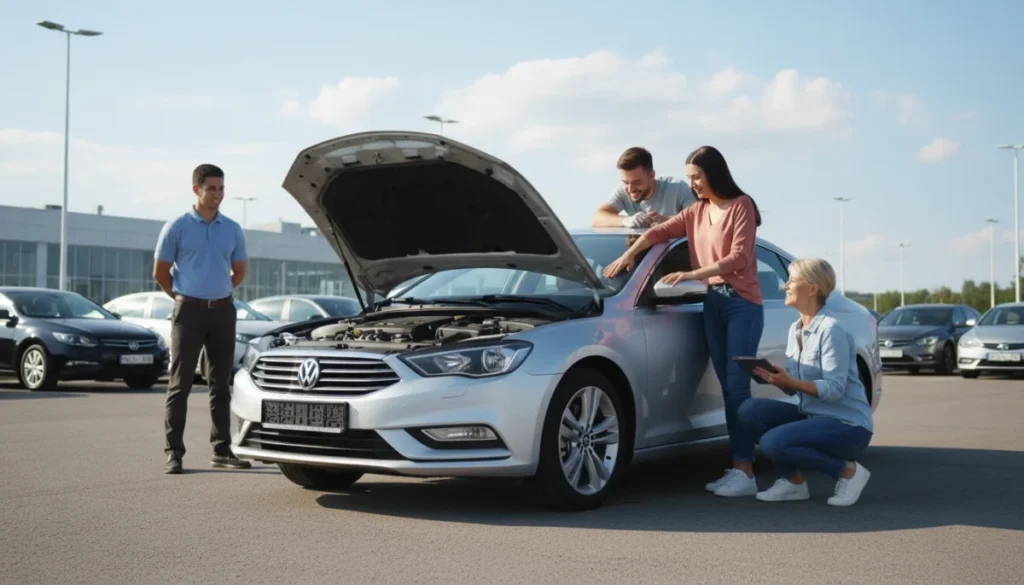
To avoid costly errors when purchasing a pre-owned vehicle in 2026, adhere to a comprehensive 10-step checklist focusing on thorough research, inspection, and negotiation.
Are you considering buying a used car in 2026? Navigating the pre-owned vehicle market can be complex, but with the right preparation, you can drive away with a great deal and peace of mind. This comprehensive guide, The 2026 Consumer’s Checklist for Buying a Used Car: 10 Essential Steps to Avoid Costly Mistakes, is designed to empower you with the knowledge and strategies needed to make an informed purchase and steer clear of common pitfalls.
Understanding the 2026 Used Car Market Landscape
The used car market in 2026 presents both unique opportunities and challenges. Economic shifts, technological advancements, and evolving consumer preferences continually reshape how pre-owned vehicles are valued and sold. Understanding these dynamics is the first crucial step in making a smart purchase. From electric vehicle integration to advanced driver-assistance systems (ADAS) in older models, the landscape is more varied than ever.
Supply chain improvements have somewhat stabilized inventory levels compared to previous years, yet demand remains robust for reliable, fuel-efficient, and tech-equipped vehicles. Recognizing popular models and their typical depreciation curves can give you a significant edge in negotiations. Moreover, the increasing availability of online platforms for used car sales means more choices but also highlights the importance of rigorous due diligence.
Key Market Trends to Monitor
- Electrification Impact: Used EVs are becoming more common, offering potential savings but requiring specific battery health checks.
- Advanced Features: Many 2020-2024 models now entering the used market boast sophisticated safety and infotainment features.
- Digital Sales: Online marketplaces and virtual tours are standard, making remote purchasing more prevalent but also riskier without proper checks.
By staying informed about these market trends, you can better identify value and anticipate potential issues. Knowledge of current pricing trends, influenced by factors like fuel prices and interest rates, will also be invaluable.
Step 1: Define Your Needs and Budget Precisely
Before you even start browsing, it’s essential to clearly define what you need and what you can realistically afford. This isn’t just about the purchase price; it includes insurance, maintenance, fuel, and potential repair costs. A clear understanding of your financial limits will prevent emotional overspending and help you focus on suitable options.
Consider your daily commute, family size, cargo needs, and personal preferences regarding fuel efficiency, safety features, and technology. Do you primarily drive in the city, or do you need something robust for longer trips? Is a sedan sufficient, or do you require the space of an SUV or minivan? Answering these questions will narrow down your search significantly.
Budgeting Beyond the Sticker Price
- Insurance Costs: Obtain quotes for specific models you’re considering, as rates vary widely.
- Maintenance and Repairs: Research typical maintenance costs for different makes and models. European luxury cars, for instance, often have higher repair bills.
- Fuel Efficiency: Factor in annual fuel costs based on your estimated mileage and current gas prices.
- Registration and Taxes: Don’t forget state-specific fees that can add a significant amount to the total.
Having a well-defined budget and needs list acts as your compass, guiding you through the vast used car market and preventing you from getting sidetracked by unsuitable or overpriced vehicles.
Step 2: Thorough Online Research and Price Comparison
In 2026, the internet is your most powerful tool for buying a used car. Start by researching specific makes and models that align with your defined needs and budget. Websites like Kelley Blue Book (KBB), Edmunds, and NADA Guides provide comprehensive pricing data, consumer reviews, and expert opinions. These resources help establish a fair market value for vehicles you’re interested in.
Look for common issues or recalls associated with particular models and years. Owner forums and consumer reports can offer invaluable insights into long-term reliability and satisfaction. Compare prices from various sellers – private parties, independent dealerships, and certified pre-owned (CPO) programs – to understand the price range for similar vehicles in your area.
Leveraging Digital Tools for Research
- Vehicle History Reports: Use services like Carfax or AutoCheck to review a car’s past accidents, service records, and ownership history.
- Dealer Reviews: Check online reviews for dealerships to gauge their reputation and customer service.
- Price Tracking Apps: Some apps can alert you to price drops on vehicles you’re monitoring.
This extensive online research phase is critical for building a strong foundation of knowledge, allowing you to approach sellers with confidence and identify potential red flags before investing too much time.
Step 3: Scrutinizing Vehicle History Reports
A vehicle history report is non-negotiable when buying a used car. Services like Carfax and AutoCheck provide detailed insights into a car’s past, revealing crucial information that sellers might omit or be unaware of. These reports are generated using a car’s Vehicle Identification Number (VIN) and can uncover a wealth of data.
Pay close attention to accident history, flood damage, salvage titles, odometer discrepancies, and the number of previous owners. A clean title and a consistent service record are strong indicators of a well-maintained vehicle. Conversely, multiple owners in a short period or a history of significant accidents should raise immediate concerns.
What to Look For in a History Report
- Accident Records: Even minor accidents can indicate potential underlying issues if not repaired properly.
- Service History: Regular maintenance is a sign of a responsible owner. Look for oil changes, tire rotations, and major service intervals.
- Title Status: Avoid salvage, rebuilt, or flood-damaged titles unless you are an expert and understand the risks.
- Odometer Readings: Verify that the reported mileage aligns with service records to detect potential tampering.
A thorough review of the vehicle history report is an essential step in mitigating risk and ensuring you’re not purchasing a car with hidden problems that could lead to costly repairs down the line.
Step 4: The Initial Visual Inspection and Test Drive
Once you’ve narrowed down your choices, it’s time for an in-person visual inspection and a comprehensive test drive. Don’t rush this process. Start by inspecting the exterior for dents, scratches, rust, and inconsistent paintwork, which could indicate previous repairs. Check the panel gaps to ensure they are even, suggesting no major structural damage.
Inside, look for signs of wear and tear, paying attention to upholstery condition, dashboard lights, and the functionality of all electronic features – windows, locks, radio, air conditioning, and navigation. Ensure all seatbelts work correctly. During the test drive, choose a route that includes various road conditions: city streets, highways, and some bumps. Listen for unusual noises, feel for vibrations, and assess acceleration, braking, and steering response.
Key Aspects of the Test Drive
- Engine Performance: Does it start easily? Is acceleration smooth? Are there any strange noises or smells?
- Braking System: Does the car brake smoothly and in a straight line? Is there any grinding or pulsating?
- Steering and Suspension: Does the steering feel tight and responsive? Does the car pull to one side? How does it handle bumps?
- Transmission: Are shifts smooth and timely? Any jerking or slipping?
A meticulous visual inspection combined with a thorough test drive provides critical firsthand information about the vehicle’s current condition and how it performs on the road.
Step 5: Professional Pre-Purchase Inspection (PPI)
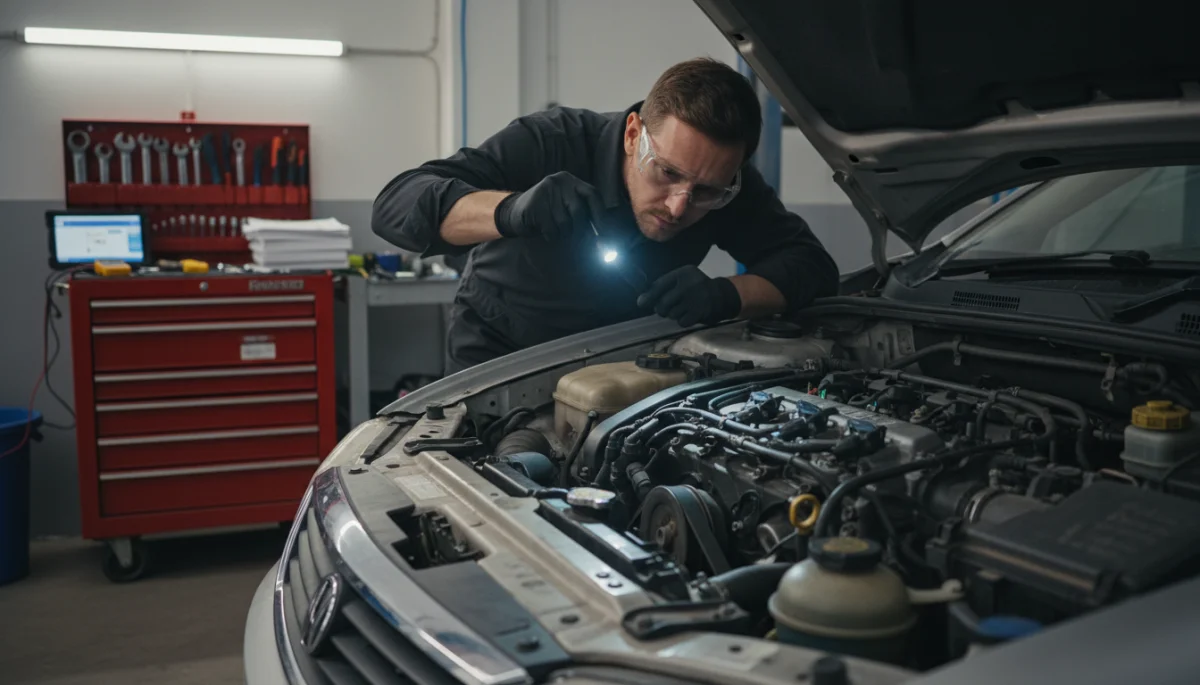
This step is arguably the most critical in The 2026 Consumer’s Checklist for Buying a Used Car: 10 Essential Steps to Avoid Costly Mistakes. Never buy a used car without a professional pre-purchase inspection (PPI) by an independent, certified mechanic. Even if the car looks and drives well, a skilled mechanic can uncover hidden issues that might be invisible to the untrained eye.
The PPI should cover the engine, transmission, suspension, brakes, tires, electrical system, and structural integrity. The mechanic will check for leaks, rust, worn components, and past repairs that might indicate deeper problems. They can also connect to the car’s diagnostic port to check for any stored error codes, even if no warning lights are currently active.
Benefits of a PPI
- Uncovers Hidden Problems: A PPI can reveal costly issues like a failing transmission, worn-out suspension components, or signs of accident damage not reported on history reports.
- Negotiation Tool: Any issues found can be used to negotiate a lower price or request that the seller cover repairs.
- Peace of Mind: Knowing a professional has thoroughly vetted the vehicle significantly reduces your risk and provides confidence in your purchase.
While a PPI incurs a small cost, it’s a worthwhile investment that can save you thousands of dollars in unexpected repairs and headaches down the road. It’s your ultimate safeguard against buying a lemon.
Step 6: Negotiating the Price and Terms
With your research, inspection results, and budget in hand, you’re ready to negotiate. Approach this stage with confidence and a clear understanding of the car’s fair market value and any issues identified during the PPI. Be prepared to walk away if the seller isn’t willing to meet a reasonable price or terms.
Start with a lower offer than you’re willing to pay, leaving room for counter-offers. Highlight any flaws or required repairs identified in the PPI to justify your offer. Don’t be afraid to ask for extras like new tires, a full tank of gas, or an extended warranty if you’re buying from a dealership.
Strategies for Effective Negotiation
- Know Your Limit: Stick to your maximum budget.
- Be Informed: Use your research and PPI report as leverage.
- Stay Calm: Avoid emotional decisions; negotiation is a business transaction.
- Consider the “Out-the-Door” Price: Focus on the total cost, including all fees, not just the advertised price.
Successful negotiation isn’t about being aggressive; it’s about being informed, patient, and prepared to compromise while protecting your financial interests.
Step 7: Understanding Financing and Warranty Options
If you require financing, explore your options before finalizing the purchase. Don’t automatically accept the financing offered by a dealership; often, banks or credit unions can provide more favorable interest rates. Get pre-approved for a loan to understand your borrowing power and use it as leverage during negotiations.
For warranties, understand what’s covered and for how long. Used cars often come with limited warranties, if any. Certified Pre-Owned (CPO) vehicles from dealerships usually offer extended warranties, which can provide peace of mind but often come at a higher price. Weigh the cost of an extended warranty against the potential repair costs and the car’s reliability history.
Key Considerations for Financing and Warranties
- Interest Rates: Compare offers from multiple lenders. A small difference in interest can save hundreds over the loan term.
- Loan Terms: Shorter loan terms mean higher monthly payments but less interest paid overall.
- Warranty Coverage: Read the fine print to understand what parts and repairs are covered, and what are excluded.
- Deductibles: Some warranties have deductibles you must pay before coverage kicks in.
Securing the best financing and making an informed decision about warranty coverage are crucial steps in managing the long-term cost of your used car.
Step 8: Completing the Paperwork Accurately
Once you’ve agreed on a price and terms, the final step involves completing the necessary paperwork. This stage requires careful attention to detail to ensure everything is correctly documented and legally sound. Whether you’re buying from a private seller or a dealership, there are specific forms that need to be filled out and signed.
For private sales, ensure you receive the vehicle’s title, signed over correctly by the seller. You’ll also need a bill of sale detailing the purchase price, VIN, mileage, and date of sale. For dealership purchases, review the sales contract thoroughly, checking for any hidden fees or discrepancies from your agreed-upon terms. Do not sign anything you don’t fully understand.
Essential Documents to Verify
- Vehicle Title: Ensure it’s clear, free of liens, and correctly transferred.
- Bill of Sale: A legal document detailing the transaction.
- Odometer Disclosure Statement: Verifies the car’s mileage at the time of sale.
- Warranty Information: If applicable, ensure all warranty terms are in writing.
Accurate and complete paperwork protects both the buyer and seller and is essential for properly registering the vehicle in your name and avoiding future legal complications.
Step 9: Registering and Insuring Your New-to-You Car
After the purchase, you’ll need to register the vehicle with your state’s Department of Motor Vehicles (DMV) or equivalent agency. This typically involves submitting the signed title, bill of sale, and proof of insurance, along with paying registration fees and sales tax. States have varying deadlines for registration, so be sure to complete this process promptly to avoid penalties.
Simultaneously, you must arrange for insurance coverage before driving the car off the lot. Most states require minimum liability insurance, and your lender will likely require comprehensive and collision coverage if you financed the purchase. Contact your insurance provider in advance to get quotes and ensure seamless coverage.
Key Post-Purchase Actions
- DMV Visit: Register the car and obtain new license plates or transfer existing ones.
- Insurance Activation: Ensure your new vehicle is properly insured before hitting the road.
- Smog Check/Inspection: Some states require a safety or emissions inspection before registration.
Timely registration and insurance are not just legal requirements; they are crucial steps in making your used car officially yours and protecting your investment.
Step 10: Post-Purchase Maintenance and Care
Congratulations, you’ve successfully purchased a used car using The 2026 Consumer’s Checklist for Buying a Used Car: 10 Essential Steps to Avoid Costly Mistakes! Your journey doesn’t end there. The final step is to establish a routine of post-purchase maintenance and care to ensure your vehicle remains reliable and extends its lifespan. Even with a thorough PPI, a used car can benefit from immediate attention to certain items.
Consider getting an oil change, checking all fluid levels, and replacing air filters shortly after purchase. If the PPI suggested any minor repairs or maintenance, address them promptly. Familiarize yourself with the car’s owner’s manual for recommended service intervals and understand its specific features and quirks. Regular cleaning, both interior and exterior, also contributes to the car’s longevity and your enjoyment.
Initial Maintenance Priorities
- Fluid Check and Change: Oil, transmission fluid, brake fluid, coolant.
- Filter Replacement: Engine air filter, cabin air filter.
- Tire Inspection: Check pressure, tread depth, and rotate if needed.
- Battery Health Check: Ensure the battery is in good condition, especially if the car sat for a while.
Proactive maintenance is key to protecting your investment and preventing minor issues from escalating into major, costly repairs. A well-cared-for used car can provide years of dependable service.
| Key Step | Brief Description |
|---|---|
| Define Needs & Budget | Establish clear requirements and financial limits to narrow down choices effectively. |
| Professional Inspection | Hire an independent mechanic for a pre-purchase inspection to uncover hidden issues. |
| Negotiate Smartly | Use research and inspection findings to negotiate a fair price and terms. |
| Complete Paperwork | Carefully review and accurately complete all legal documents for title transfer and sale. |
Frequently Asked Questions About Buying a Used Car in 2026
The 2026 market sees increased availability of used electric vehicles and cars equipped with advanced driver-assistance systems (ADAS). Digital sales platforms are more sophisticated, and supply chain improvements have led to more stable inventory, although demand for reliable, fuel-efficient models remains high.
A vehicle history report is crucial. It provides insights into past accidents, service records, ownership changes, and title status (e.g., salvage, flood damage). In 2026, with more complex vehicles, understanding a car’s complete history is vital to avoid hidden problems and ensure a safe purchase.
Absolutely. A professional pre-purchase inspection (PPI) by an independent mechanic is highly recommended. It can uncover mechanical issues, electrical faults, or structural damage not apparent during a test drive. This step is your best defense against buying a problematic vehicle and can provide strong negotiation leverage.
It’s best to explore multiple financing options, including banks, credit unions, and dealership financing. Getting pre-approved for a loan before shopping can give you a stronger negotiating position and help you secure the most favorable interest rates and terms, potentially saving you significant money.
After purchase, prioritize registering the vehicle with your state’s DMV and ensuring it’s fully insured. Additionally, schedule an immediate maintenance check, including oil change, fluid top-offs, and filter replacements, to establish a baseline for its ongoing care and address any minor issues.
Conclusion
Navigating the used car market in 2026 requires diligence, research, and a strategic approach. By following The 2026 Consumer’s Checklist for Buying a Used Car: 10 Essential Steps to Avoid Costly Mistakes, you equip yourself with the tools to make a confident and informed purchase. From defining your needs and scrutinizing vehicle history to securing a professional inspection and negotiating effectively, each step is designed to protect your investment and ensure you drive away with a reliable vehicle. Remember, patience and thoroughness are your greatest allies in avoiding costly errors and finding the perfect used car that meets your expectations and budget.
