Verify Product Authenticity in 2026: Protect Your Investment
Effectively verifying product authenticity in 2026 involves leveraging advanced digital tools, understanding evolving security features, and adopting vigilant purchasing habits to combat sophisticated counterfeit schemes.
In an increasingly digital world, understanding how to verify product authenticity is more critical than ever. The market is awash with counterfeit goods, making it challenging for consumers to distinguish genuine items from fakes. This guide provides practical, up-to-date solutions to help you protect your investments and ensure you’re getting exactly what you pay for.
The Rising Tide of Counterfeit Goods in 2026
The global counterfeit market continues to expand at an alarming rate, driven by advancements in manufacturing and distribution. In 2026, counterfeiters employ highly sophisticated techniques, making their products almost indistinguishable from originals to the untrained eye. This proliferation impacts not only luxury goods but also everyday essentials, electronics, and even pharmaceuticals, posing significant risks to both consumers and legitimate businesses.
The economic ramifications are vast, with billions of dollars lost annually to fake products. Beyond financial losses, counterfeit goods often fail to meet safety standards, leading to potential health hazards and compromised performance. Understanding the scope of this problem is the first step toward effective consumer protection.
Key Drivers of Counterfeiting
- E-commerce Growth: The anonymity and global reach of online marketplaces provide fertile ground for counterfeit sales.
- Technological Advancements: Improved manufacturing processes and access to advanced printing technologies allow for high-quality fakes.
- Consumer Demand for Deals: The desire for lower prices often leads consumers to unknowingly purchase counterfeit items.
- Weak Enforcement in Certain Regions: Inconsistent international laws and enforcement contribute to the flourishing trade.
The challenge of combating counterfeits requires a multi-faceted approach, combining technological solutions with consumer education. Being aware of the latest trends and methods used by counterfeiters is crucial for making informed purchasing decisions and safeguarding your interests.
Leveraging Digital Verification Technologies
As counterfeiters become more sophisticated, so do the tools designed to combat them. In 2026, digital verification technologies are at the forefront of ensuring product authenticity. These innovations provide consumers with immediate and reliable methods to confirm whether a product is genuine, directly from their smartphones.
From advanced QR codes to blockchain-based tracking, these technologies offer a new layer of security, empowering buyers with the information they need. Brands are increasingly integrating these solutions into their products, making verification an integral part of the consumer experience.
Advanced QR Codes and NFC Tags
Modern QR codes are far more than simple links; they often incorporate encrypted data that, when scanned with a brand’s official app, can confirm authenticity. NFC (Near Field Communication) tags embedded in products allow for a tap-and-verify process, providing instant access to product information and provenance.
- Encrypted Data: Prevents replication and ensures the integrity of the verification process.
- Official Brand Apps: Directs users to secure verification platforms, avoiding fake websites.
- Real-time Status: Can indicate if a product has been reported as stolen or recalled.
Blockchain for Supply Chain Transparency
Blockchain technology offers an immutable ledger that tracks a product’s journey from manufacturing to the consumer. Each step in the supply chain is recorded, creating a transparent and verifiable history. This makes it incredibly difficult for counterfeit products to infiltrate the legitimate supply chain undetected.
Consumers can use blockchain-enabled apps to trace the origin of their purchases, ensuring that every component and process aligns with the brand’s stated standards. This level of transparency builds trust and provides unparalleled assurance of authenticity. The adoption of blockchain is particularly strong in luxury goods, pharmaceuticals, and high-value electronics.
Physical Security Features and Packaging Inspection
Beyond digital solutions, physical security features remain a vital defense against counterfeit goods. In 2026, brands are incorporating increasingly complex and difficult-to-replicate elements into their packaging and products. Learning to identify these features is an essential skill for any discerning consumer.
A thorough inspection of packaging and product details can often reveal tell-tale signs of a fake. Attention to detail, even minute imperfections, can be the difference between a genuine article and a costly imitation. This requires a keen eye and an understanding of what to look for.
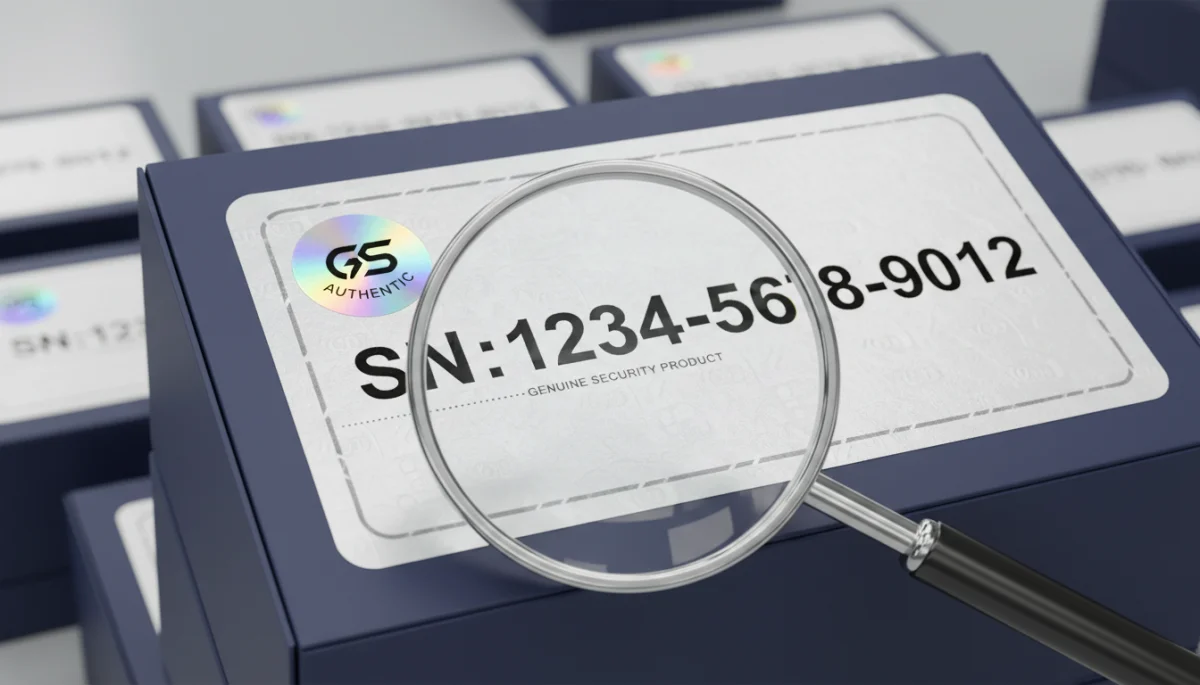
Holograms, for instance, are not just decorative; they often contain micro-text or kinetic effects that are extremely hard for counterfeiters to reproduce accurately. Similarly, specialized inks that change color or are only visible under UV light add another layer of protection.
Identifying Genuine Packaging
- Holograms and Security Seals: Look for distinct, multi-dimensional images and tamper-evident seals.
- Microprint and Fine Details: Genuine products often have tiny, legible text or intricate patterns that fakes cannot replicate clearly.
- Unique Serial Numbers: Cross-reference serial numbers with the manufacturer’s database.
- Quality of Materials: Authentic packaging uses high-quality materials, consistent printing, and precise construction.
Even the weight and feel of a product’s packaging can offer clues. Counterfeiters often cut corners on materials to save costs, resulting in a noticeably cheaper feel. Always compare the packaging to known authentic examples, either in person or through reliable online resources.
The Importance of Authorized Retailers and Direct Sourcing
One of the most effective ways to ensure product authenticity is to purchase from authorized retailers or directly from the manufacturer. In 2026, the rise of online marketplaces has blurred the lines between legitimate sellers and third-party vendors, making this distinction more important than ever. Authorized channels provide a direct link to the brand’s supply chain, significantly reducing the risk of encountering counterfeit goods.
Many brands offer lists of their authorized dealers on their official websites. Before making a purchase, especially for high-value items, it’s always wise to consult these lists. This simple step can save you considerable trouble and financial loss.
Verifying Online Retailers
- Official Brand Websites: Always check if the retailer is listed as an official partner on the brand’s main site.
- Secure Payment Gateways: Legitimate online stores use secure, encrypted payment systems.
- Clear Return Policies: Reputable sellers have transparent and fair return and refund policies.
- Customer Reviews and Reputation: While not foolproof, consistent positive reviews and a long-standing reputation can be indicators of trustworthiness.
Direct sourcing, such as purchasing directly from a brand’s official online store or a flagship physical store, offers the highest level of assurance. This eliminates intermediaries where counterfeit products might unknowingly enter the distribution chain. Be cautious of significantly discounted prices from unknown vendors, as these are often a red flag for counterfeit goods.
Emerging AI and Machine Learning Solutions for Authenticity
The fight against counterfeiting in 2026 is increasingly being bolstered by artificial intelligence (AI) and machine learning (ML). These advanced technologies are revolutionizing how product authenticity is verified, moving beyond traditional methods to offer predictive and highly accurate identification of fakes. AI and ML algorithms can analyze vast datasets, learning to distinguish between genuine and counterfeit products with remarkable precision.
From analyzing subtle variations in product images to detecting anomalies in supply chain data, AI offers a powerful new weapon in the hands of consumers and brands alike. These systems are constantly learning and adapting, making them formidable opponents for even the most skilled counterfeiters.
AI for Visual Inspection and Pattern Recognition
AI-powered visual inspection systems can analyze product images, packaging designs, and even microscopic details to identify inconsistencies that human eyes might miss. These systems are trained on extensive databases of authentic products, allowing them to recognize subtle variations in logos, fonts, material textures, and stitching patterns that indicate a counterfeit.
- Microscopic Analysis: AI can detect minute imperfections in printing or material composition.
- Pattern Matching: Identifies deviations from established brand patterns and design specifications.
- Real-time Detection: Can be integrated into manufacturing processes or consumer-facing apps for instant verification.
Machine learning models are also being used to predict potential counterfeiting hotspots by analyzing market trends, geographic data, and historical data on fake products. This proactive approach helps brands to focus their anti-counterfeiting efforts more effectively and protect consumers before fakes even reach the market. The continuous evolution of these technologies promises even more robust protection in the years to come.
Consumer Vigilance and Reporting Counterfeit Incidents
While technology and brand efforts play a significant role, consumer vigilance remains a critical component in the battle against counterfeit goods. In 2026, an informed and proactive consumer base is one of the strongest deterrents to counterfeiters. Being able to recognize red flags and knowing how to report suspicious products are essential skills for protecting yourself and others.
The collective action of consumers can significantly disrupt the counterfeit supply chain. By reporting incidents, you not only help law enforcement and brands track down counterfeiters but also warn other potential buyers. This collaborative approach fosters a safer marketplace for everyone.
Red Flags for Counterfeit Products
- Unbelievable Deals: Prices that are significantly lower than market value are a major warning sign.
- Poor Quality Packaging: Flimsy materials, misspellings, blurry printing, or inconsistent branding.
- Substandard Product Quality: Inferior materials, poor craftsmanship, or defects in the item itself.
- Unusual Selling Channels: Products sold in non-traditional or questionable retail environments.
- Lack of Documentation: Missing warranty cards, instruction manuals, or authenticity certificates.
If you suspect you have purchased a counterfeit item, it’s important to report it to the appropriate authorities. This includes contacting the brand directly, reporting to consumer protection agencies, and, in some cases, reporting to online marketplaces. Providing as much detail as possible, including purchase location, seller information, and photos of the product, will aid in investigations. Your actions contribute directly to a safer consumer environment.
Protecting Your Investment: A Holistic Approach
Protecting your investment from counterfeit goods in 2026 requires a holistic, multi-layered approach. It’s not just about one verification method but a combination of informed purchasing habits, leveraging technological tools, and exercising constant vigilance. The landscape of counterfeiting is ever-evolving, and so too must our strategies for combating it. By integrating various protective measures, consumers can significantly reduce their risk and ensure they are investing in genuine, quality products.
This includes staying updated on the latest anti-counterfeiting technologies, understanding the specific security features of the brands you purchase, and always prioritizing trusted sources. Educating yourself about common counterfeiting tactics empowers you to make smarter decisions, safeguarding both your finances and your well-being. Ultimately, a proactive stance is your best defense against the pervasive threat of fake goods.
| Key Verification Method | Brief Description |
|---|---|
| Digital Scan Tools | Utilize QR codes and NFC tags with official brand apps to confirm product authenticity. |
| Physical Security Features | Inspect holograms, microprint, and serial numbers for authenticity indicators. |
| Authorized Retailers | Purchase only from official brand stores or verified authorized dealers to minimize risk. |
| AI/ML Detection | Leverage AI and machine learning for advanced visual inspection and pattern recognition of fakes. |
Frequently Asked Questions About Product Authenticity
Common red flags include unusually low prices, poor quality packaging with misspellings or blurry printing, substandard product materials, and purchases from unauthorized or questionable online vendors. Always compare with genuine product images and descriptions.
Blockchain creates an immutable, transparent record of a product’s journey from manufacturing to sale. By scanning a product’s unique identifier, consumers can trace its entire supply chain history, ensuring its legitimacy and origin.
While major marketplaces implement anti-counterfeiting measures, third-party sellers can still list fake goods. Always verify the seller’s reputation, check reviews, and look for official brand stores within the marketplace. Prioritize authorized sellers.
AI and ML systems analyze visual details, patterns, and supply chain data to detect subtle anomalies indicative of counterfeits. They can perform rapid, highly accurate inspections, often identifying fakes that human eyes might overlook, enhancing verification processes.
If you suspect a counterfeit, contact the brand directly, report it to the online marketplace or retailer, and consider informing consumer protection agencies. Provide all available details, including purchase proof and photos, to aid investigations.
Conclusion
Navigating the consumer landscape in 2026 demands a proactive and informed approach to product authenticity. The fight against counterfeit goods is a shared responsibility, requiring both advanced technological solutions from brands and diligent vigilance from consumers. By understanding the evolving tactics of counterfeiters, leveraging digital verification tools, scrutinizing physical security features, and prioritizing purchases from authorized channels, you can effectively safeguard your investments and ensure the integrity of your purchases. Staying informed and exercising caution are your most powerful allies in securing genuine products in an increasingly complex market.
