K-12 Curriculum Reforms: 2025-2026 U.S. State Outlook
The 2025-2026 academic year will see significant K-12 curriculum reforms across U.S. states, driven by evolving educational philosophies, technological advancements, and a renewed focus on student outcomes and workforce readiness.
The landscape of American education is perpetually evolving, and for the 2025-2026 academic year, we are witnessing a wave of significant K-12 curriculum reforms across various U.S. states. These changes aim to better prepare students for a rapidly changing world, addressing both academic rigor and essential life skills.
Understanding the Driving Forces Behind Curriculum Changes
Curriculum reforms in K-12 education are rarely arbitrary; they are typically a response to a complex interplay of societal needs, economic shifts, and pedagogical advancements. For the 2025-2026 academic year, several key factors are compelling states to re-evaluate and modify their educational frameworks.
Economic demands play a crucial role. Industries are increasingly seeking graduates with strong critical thinking, problem-solving, and digital literacy skills. This has prompted states to integrate more robust STEM (Science, Technology, Engineering, and Mathematics) education and computer science into earlier grades. Furthermore, the globalized nature of modern economies necessitates an emphasis on cultural awareness and diverse perspectives.
Technological Integration and Digital Literacy
The rapid pace of technological innovation means that what was considered cutting-edge yesterday is commonplace today. Schools are under pressure to equip students with the skills needed to navigate a digital world, not just as consumers, but as creators and innovators.
- Coding and Computational Thinking: Many states are introducing coding as early as elementary school, fostering logical reasoning and problem-solving.
- Digital Citizenship: Emphasizing responsible online behavior, media literacy, and understanding digital footprints is becoming a core component.
- AI and Data Literacy: Preparing students to understand the basics of artificial intelligence and how to interpret data is emerging as a new frontier.
Societal values also shape curriculum. There’s a growing recognition of the importance of social-emotional learning (SEL) and mental health support. Schools are increasingly seen as vital institutions not just for academic instruction, but also for fostering well-rounded, resilient individuals. This holistic approach aims to address the emotional and psychological well-being of students, which directly impacts their ability to learn and thrive.
In essence, these reforms reflect a collective effort to ensure that education remains relevant and effective, preparing the next generation for challenges and opportunities that may not even exist yet. By adapting the curriculum, states are investing in the future capacity and capabilities of their students.
Key Trends and Common Themes in State Reforms
While each state approaches K-12 curriculum reform with its unique context and priorities, several overarching trends and common themes are discernible across the nation for the 2025-2026 academic year. These themes reflect a broader consensus on what constitutes effective and relevant education in the 21st century.
One of the most prominent trends is the continued emphasis on personalized learning pathways. Recognizing that students learn differently and at varying paces, many reforms aim to provide more flexible and individualized educational experiences. This can involve leveraging technology for adaptive learning, offering diverse course options, and encouraging student-led projects.
Prioritizing Workforce Readiness and Career Pathways
States are increasingly focused on ensuring that K-12 education directly connects to post-secondary success, whether that’s higher education or immediate entry into the workforce. This means a greater integration of career and technical education (CTE) programs and real-world skills.
- Early College Programs: Expanding opportunities for high school students to earn college credits or associate degrees.
- Industry Certifications: Offering pathways for students to gain valuable industry-recognized certifications before graduation.
- Internships and Apprenticeships: Facilitating hands-on experiences that bridge the gap between classroom learning and professional practice.
Another significant theme is the renewed focus on foundational literacy and numeracy skills. Despite advancements in technology and specialized subjects, states are recognizing the immutable importance of strong reading, writing, and mathematical abilities. Reforms often include enhanced instructional strategies and targeted interventions to ensure all students achieve proficiency in these core areas.
Furthermore, there’s a growing movement towards culturally responsive teaching and a more inclusive curriculum. This involves incorporating diverse perspectives, histories, and experiences into learning materials, ensuring that all students see themselves represented and feel connected to their education. This not only fosters a more equitable learning environment but also prepares students for a diverse global society. These common threads highlight a national movement toward more dynamic, relevant, and equitable educational systems.
State-Specific Reforms: A Glimpse into Varied Approaches
While national trends provide a broad overview, the true impact of K-12 curriculum reforms for 2025-2026 lies in the specifics of how individual states are implementing these changes. Each state faces unique challenges and opportunities, leading to diverse legislative and pedagogical approaches.
For instance, some states are prioritizing significant overhauls of their science and social studies standards. These revisions often involve incorporating more inquiry-based learning, emphasizing critical analysis of historical events, and integrating contemporary scientific discoveries. The goal is to move beyond rote memorization towards deeper conceptual understanding and application of knowledge.
Deep Dive into Specific State Initiatives
Consider a state like California, which continues to lead in integrating environmental literacy across subjects. Their reforms might include:
- Climate Change Education: Mandating the inclusion of climate science and its societal impacts from elementary grades through high school.
- Sustainable Practices: Encouraging schools to adopt and teach sustainable practices within their communities.
- Outdoor Education: Expanding access to nature-based learning experiences to foster environmental stewardship.
Conversely, a state in the Midwest might be focusing heavily on bolstering STEM education in rural areas, recognizing a workforce gap in these fields. Their initiatives could involve substantial funding for technology infrastructure, professional development for teachers in STEM subjects, and partnerships with local industries to create mentorship opportunities for students.
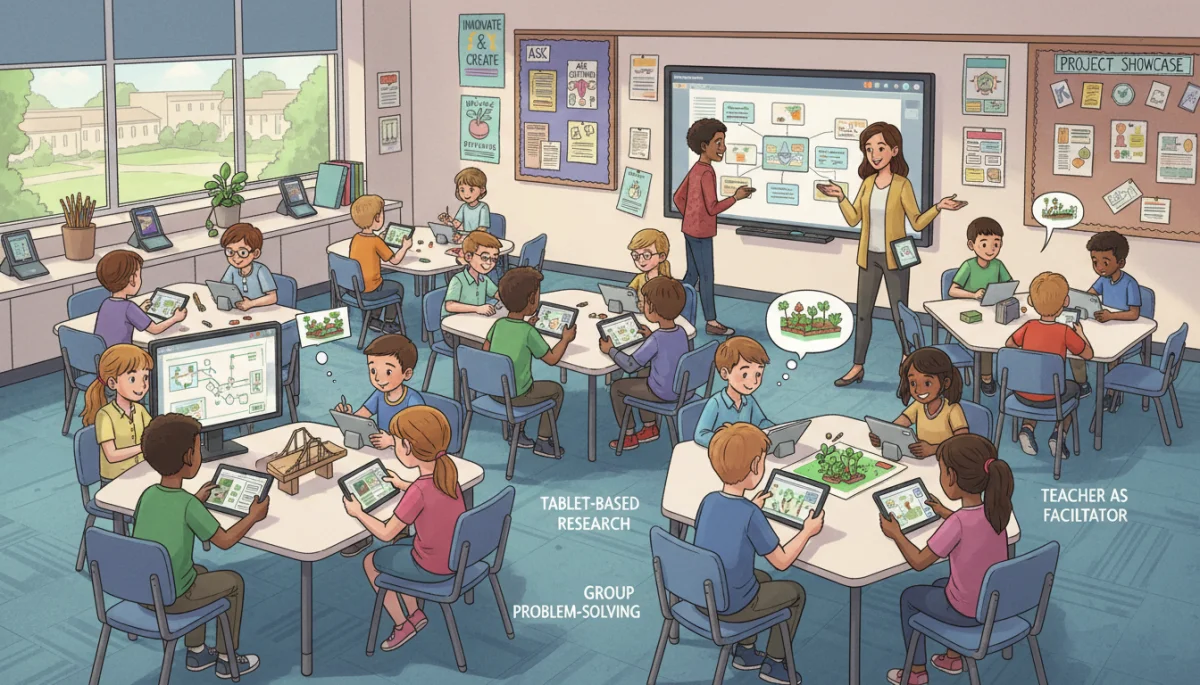
In the Northeast, some states are exploring innovative assessment models, moving away from traditional standardized tests towards performance-based assessments that measure skills like collaboration, creativity, and critical thinking. These assessments often involve portfolios, capstone projects, and real-world problem-solving scenarios.
These state-specific examples illustrate the varied pathways to reform, all while aiming for the common goal of enhancing educational outcomes. The decentralized nature of U.S. education allows for this experimentation and tailoring of reforms to local needs and aspirations.
Impact on Students: Navigating New Learning Environments
The most crucial aspect of any K-12 curriculum reform is its direct impact on students. For the 2025-2026 academic year, these changes are designed to create more engaging, relevant, and effective learning environments, but they also present new challenges for students to navigate.
One significant benefit is the potential for increased engagement. When curriculum is updated to reflect contemporary issues, incorporate technology, and offer more personalized pathways, students are often more motivated to learn. They can see the relevance of their studies to their lives and future careers, fostering a deeper connection to the material.
Developing 21st-Century Skills
Reforms are heavily focused on cultivating skills beyond traditional academic content. Students will increasingly be expected to demonstrate:
- Critical Thinking and Problem-Solving: Analyzing complex information and devising creative solutions.
- Collaboration and Communication: Working effectively in teams and articulating ideas clearly.
- Creativity and Innovation: Generating new ideas and approaches to challenges.
However, new curricula can also bring adjustment periods. Students may need to adapt to different teaching methodologies, such as more project-based learning or inquiry-driven instruction, which require a shift from passive reception of information to active exploration. This transition might initially be challenging for some, requiring strong support from educators and parents.
Furthermore, the increased emphasis on digital literacy means that access to technology and consistent internet connectivity become even more critical. While many schools are working to bridge the digital divide, disparities can still impact a student’s ability to fully participate in and benefit from technologically integrated curricula. The goal remains to ensure that these reforms create equitable opportunities for all learners, preparing them not just for tests, but for life.
Implications for Educators: Professional Development and Adaptation
For educators, K-12 curriculum reforms for the 2025-2026 academic year represent both exciting opportunities and significant professional responsibilities. Implementing new standards and pedagogical approaches requires substantial professional development and a willingness to adapt teaching practices.
Teachers are at the forefront of these changes, tasked with translating new curriculum frameworks into daily classroom instruction. This often means learning new content, mastering innovative teaching methodologies, and integrating new technologies effectively. Comprehensive and ongoing professional development is therefore paramount to the success of any reform effort.
Essential Areas for Teacher Support
To effectively implement new curricula, educators will need support in several key areas:
- Content Knowledge: Deepening understanding of new subject matter, particularly in areas like computer science or environmental science.
- Pedagogical Strategies: Training in inquiry-based learning, project-based learning, differentiated instruction, and culturally responsive teaching.
- Technology Integration: Proficiency in using new educational software, digital tools, and online resources to enhance learning.
Beyond formal training, educators will also need time for collaboration and peer learning. Sharing best practices, problem-solving challenges, and collectively refining instructional approaches can significantly ease the transition and improve implementation fidelity. School leaders play a critical role in fostering this collaborative environment.
The psychological aspect of change also bears consideration. Teachers, like students, may experience a learning curve and require encouragement and resources as they navigate new expectations. Recognizing and supporting their efforts is crucial for maintaining morale and ensuring a successful rollout of reforms. Ultimately, the quality of curriculum implementation hinges on the preparedness and empowerment of the teaching force.
The Role of Stakeholders: Parents, Communities, and Policy Makers
Successful K-12 curriculum reforms for the 2025-2026 academic year are not solely the domain of schools; they require the active involvement and collaboration of a wide array of stakeholders. Parents, local communities, and policy makers all play indispensable roles in shaping, supporting, and sustaining these educational changes.
Parents are vital partners in their children’s education. Understanding new curriculum standards, knowing what is expected of their children, and being equipped to support learning at home are crucial. Schools must effectively communicate changes to parents, offering workshops, informational sessions, and accessible resources to foster a strong home-school connection.
Community Engagement and Support
Local communities, including businesses, non-profits, and higher education institutions, can provide invaluable resources and expertise. Their involvement can enrich the curriculum and offer real-world learning opportunities.
- Mentorship Programs: Local professionals mentoring students in career pathways.
- Resource Sharing: Community organizations providing guest speakers, field trip locations, or specialized equipment.
- Volunteer Support: Community members assisting in classrooms or after-school programs.
Policy makers, from state legislatures to local school boards, hold the ultimate responsibility for setting the vision, allocating resources, and establishing the regulatory framework for these reforms. Their decisions on funding, accountability measures, and curriculum mandates directly impact the feasibility and effectiveness of educational changes. Thoughtful policy development, informed by educational research and stakeholder input, is essential.
Engaging all these groups ensures that reforms are not just top-down directives but are instead a collective endeavor. When parents, communities, and policy makers are aligned and actively participating, the chances of successful, sustainable K-12 curriculum reforms are significantly enhanced, leading to a more robust educational system for all students.
Anticipated Challenges and Future Outlook
As U.S. states embark on K-12 curriculum reforms for the 2025-2026 academic year, it’s prudent to anticipate potential challenges and consider the long-term outlook. While the intentions behind these reforms are overwhelmingly positive, implementation is rarely without hurdles.
One primary challenge will be equitable resource allocation. New curricula often require investments in technology, updated learning materials, and extensive professional development for teachers. Ensuring that all districts, especially those in underserved areas, have the necessary funding and support will be critical to prevent widening achievement gaps. The digital divide, for example, remains a persistent issue that can hinder the effective integration of technology in all classrooms.
Measuring Reform Effectiveness
A key aspect of the future will be the development of robust metrics to evaluate the effectiveness of these reforms. Beyond traditional test scores, states will need to consider:
- Student Engagement: Tracking attendance, participation, and student feedback.
- Skill Development: Assessing critical thinking, problem-solving, and collaboration through varied methods.
- Post-Secondary Outcomes: Monitoring graduation rates, college enrollment, career readiness, and employment rates.
Another challenge involves maintaining consistency and coherence across different grade levels and subject areas. Reforms must be carefully articulated to ensure a seamless progression of learning without creating disjointed educational experiences. This requires continuous communication and collaboration among educators and curriculum developers.
Looking ahead, the commitment to continuous improvement will be paramount. Education is not static, and future curriculum reforms will likely build upon the foundations laid in 2025-2026. The ability of states to gather feedback, analyze data, and adapt their approaches will determine the lasting success and impact of these transformative efforts on generations of students. The goal is to build resilient, responsive educational systems capable of meeting the demands of an ever-changing world.
| Key Aspect | Brief Description |
|---|---|
| Driving Forces | Economic demands, technological advancements, and societal values are pushing for K-12 curriculum updates. |
| Key Trends | Focus on personalized learning, workforce readiness, digital literacy, and holistic student development. |
| Impact on Students | More engaging learning, development of 21st-century skills, but also adaptation to new methodologies. |
| Educator Role | Requires extensive professional development, adaptation, and collaborative support to implement changes effectively. |
Frequently Asked Questions About K-12 Curriculum Reforms
The primary goals include enhancing student readiness for college and careers, fostering critical thinking and digital literacy, promoting social-emotional development, and ensuring equitable access to high-quality education across all U.S. states.
Classroom teaching methods are expected to become more interactive, project-based, and personalized. Educators will increasingly use technology, facilitate inquiry-driven learning, and focus on developing practical, real-world skills rather than just rote memorization.
Parents are crucial stakeholders. Their role involves understanding the new standards, supporting their children’s learning at home, and engaging with schools through informational sessions and feedback opportunities to ensure successful implementation of reforms.
No, while common themes exist, each state tailors reforms to its unique needs and priorities. This leads to varied approaches in areas like STEM integration, environmental education, and assessment models, reflecting local contexts and legislative decisions.
Anticipated challenges include ensuring equitable resource allocation across all districts, providing adequate professional development for teachers, and effectively measuring the long-term impact and effectiveness of the new pedagogical approaches and learning outcomes.
Conclusion
The K-12 curriculum reforms scheduled for implementation across U.S. states for the 2025-2026 academic year mark a pivotal moment in American education. Driven by societal evolution, technological advancements, and a sharpened focus on preparing students for future success, these changes aim to foster a more dynamic, relevant, and equitable learning experience. While the path to comprehensive reform will undoubtedly present challenges, the collaborative efforts of educators, parents, communities, and policymakers are essential to ensuring that these transformations ultimately lead to a more robust and responsive educational system for all students.
