2026 Guide to Fair Pricing: Spotting Price Gouging in the US
Consumers can effectively identify and challenge price gouging in the 2026 US market by understanding legal definitions, recognizing common indicators, and leveraging available reporting mechanisms to ensure fair pricing.
Welcome to The 2026 Guide to Fair Pricing: How to Spot and Challenge Price Gouging in the US Market. As consumers navigate an ever-evolving economic landscape, understanding what constitutes fair pricing and how to identify and challenge exploitative practices like price gouging has become more crucial than ever. This comprehensive guide will equip you with the knowledge and tools to protect your purchasing power and advocate for equitable transactions.
Understanding Price Gouging in the Modern US Market
Price gouging, at its core, involves sellers increasing the prices of goods or services to an unreasonable or unfair level, often following a sudden increase in demand or a disruption in supply, such as during emergencies or natural disasters. While the concept seems straightforward, its legal definition and application can vary significantly across states and situations in the United States.
In 2026, with advanced data analytics and rapid market shifts, identifying price gouging requires a nuanced understanding beyond simple price hikes. It’s about recognizing when a price increase crosses the line from legitimate market adjustment to predatory exploitation, particularly during times of vulnerability for consumers.
Defining Price Gouging: Legal Frameworks
Each state in the US has its own laws regarding price gouging, which typically activate during declared states of emergency. These laws often specify a percentage increase above the pre-emergency price that is considered unlawful. For instance, some states might deem a price increase of more than 10% or 25% during an emergency as price gouging. It’s vital to remember that federal law does not have a comprehensive price gouging statute, making state-level regulations the primary defense.
- State-Specific Definitions: Understand that what’s considered price gouging in Florida might differ from California.
- Emergency Declarations: Most laws are triggered by official declarations of emergency by state or federal authorities.
- Essential Goods and Services: Laws typically focus on necessities like food, water, fuel, shelter, and medical supplies.
The Economic Context of Price Increases
Not all price increases are price gouging. Businesses face legitimate cost increases due to supply chain issues, inflation, or higher operational expenses. Differentiating between a justifiable price adjustment and an exploitative one requires careful observation. Legitimate price increases usually reflect changes in the cost of production or distribution, while price gouging capitalizes solely on consumer desperation.
In 2026, with global supply chains still adjusting from various disruptions, it’s more important than ever to understand these distinctions. A sudden, drastic increase in the price of a single item, especially one critical during an emergency, is a red flag, particularly if other similar items or retailers haven’t followed suit.
Understanding these foundational aspects of price gouging is the first step in becoming an informed consumer. By knowing the legal definitions and the economic factors that influence pricing, you can better equip yourself to identify potentially unfair practices and protect your interests in the marketplace.
Key Indicators of Unfair Pricing Practices
Recognizing price gouging isn’t always straightforward. It requires vigilance and an understanding of what factors typically signal an unfair pricing practice. In 2026, with dynamic pricing algorithms and quick market reactions, these indicators are more important than ever for consumers to be aware of.
The core of identifying unfair pricing lies in observing rapid and significant price increases for essential goods or services during or immediately following a declared emergency. This includes items like bottled water, generators, gas, batteries, plywood, and even hotel rooms or contractor services.
Sudden and Drastic Price Hikes
The most obvious sign of price gouging is an abrupt and substantial increase in price for a product or service that has not experienced a proportional increase in its underlying costs. This often happens when demand surges due to an emergency, and unscrupulous sellers exploit the situation.
- Magnitude of Increase: Look for price jumps significantly higher than normal market fluctuations.
- Timing: Increases that coincide directly with a declared emergency or disaster are highly suspicious.
- Lack of Justification: If a seller cannot provide a reasonable explanation for the price hike, it’s a red flag.
Discrepancies Across Retailers and Locations
Another strong indicator is when prices for the same or similar goods vary wildly between different retailers in the same area, or when online prices from a specific seller are disproportionately higher than their usual rates. This suggests that some sellers are taking advantage while others are maintaining fair pricing.
Consumers in 2026 can leverage online price comparison tools and community forums to quickly identify these discrepancies. If one gas station is charging double the price of others nearby during a fuel shortage, it’s a clear sign of potential gouging. Similarly, if a single online vendor significantly inflates prices for in-demand items, it warrants scrutiny.
Exploitation of Scarcity
Price gouging often thrives on perceived or actual scarcity. When essential items become limited, some businesses will artificially inflate prices, knowing that desperate consumers will pay almost anything. This is particularly prevalent with items like N95 masks during health crises or construction materials after a hurricane.
It’s crucial to distinguish between genuine scarcity-driven price increases (where the cost to acquire the item has genuinely risen) and opportunistic price hikes. A seller who suddenly acquires a large stock of a scarce item and sells it at exorbitant prices is likely engaging in price gouging.
By staying alert to these key indicators, consumers can become powerful advocates for fair pricing. Awareness is the first line of defense against exploitative practices, empowering you to make informed decisions and take action when necessary.
Researching Fair Prices: Tools and Strategies for 2026
In an era of dynamic pricing and instant information, consumers have more tools than ever to research and determine fair prices. By 2026, leveraging technology and community resources is paramount to avoiding price gouging and ensuring you get the best value for your money, especially during emergencies.
Before making a significant purchase, particularly for essential goods during times of high demand, taking a few moments to research can save you a considerable amount. This proactive approach helps establish a baseline for what a fair price should be.
Leveraging Online Price Comparison Tools
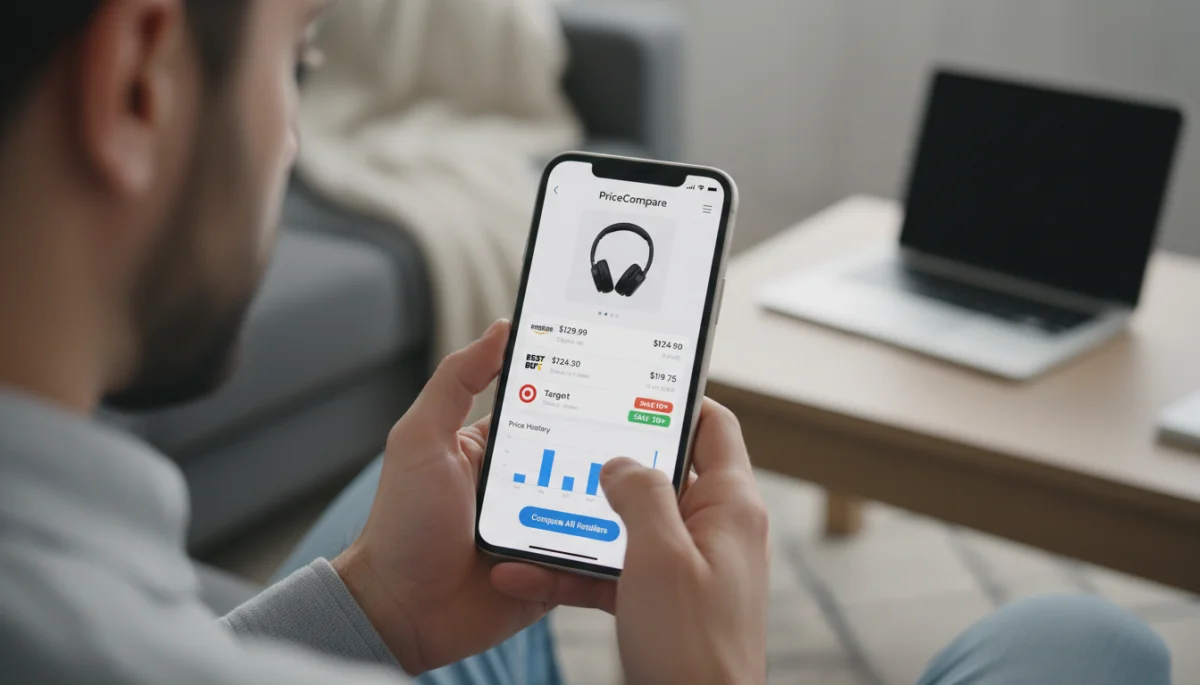
The digital landscape offers a wealth of resources for price comparison. Websites and apps dedicated to comparing prices across various retailers can quickly highlight significant discrepancies. These tools are invaluable for checking the current market rate for common goods.
- Dedicated Price Comparison Websites: Sites like Google Shopping, PriceGrabber, or CamelCamelCamel (for Amazon history) can show historical and current prices.
- Retailer Apps: Many large retailers have apps that allow you to check in-store and online prices, often revealing regional variations.
- Browser Extensions: Several browser extensions automatically compare prices as you browse, alerting you to better deals or suspicious increases.
Consulting Historical Price Data
Understanding the normal price range for a product before a crisis hits is a powerful defense against price gouging. Many online tools provide historical price data, allowing you to see if a current price is an outlier compared to its usual cost.
For example, if a gallon of gasoline typically costs $3.50 in your area, and suddenly jumps to $7.00 after a hurricane warning, historical data confirms this is an abnormal and potentially illegal increase. Keeping an eye on regular prices for essential items even when there isn’t an emergency can build a mental database for comparison.
Community Forums and Social Media Alerts
The power of collective consumer vigilance cannot be overstated. Local community groups on social media platforms or dedicated forums often serve as early warning systems for price gouging. Members can share real-time observations of unfair pricing, alerting others in the area.
Engaging with these communities allows you to quickly verify if an observed price hike is isolated or widespread, and to gather evidence from multiple sources. This collective intelligence is a powerful asset in the fight against unfair practices, providing quick, localized information that might not be immediately available through official channels.
By proactively utilizing these research tools and strategies, consumers in 2026 can empower themselves with knowledge, making it much harder for unscrupulous businesses to engage in price gouging. Informed decisions are the strongest defense against exploitation.
Steps to Take When You Suspect Price Gouging
Once you’ve identified potential price gouging, knowing the correct steps to take is crucial. Acting promptly and systematically can significantly increase the chances of a successful challenge and contribute to consumer protection efforts. Your actions can make a difference not just for yourself, but for your community.
The process generally involves documenting the evidence, attempting to resolve the issue with the seller (if safe and appropriate), and then reporting the incident to the relevant authorities. Each step requires careful attention to detail.
Documenting the Evidence
Thorough documentation is the bedrock of any successful price gouging claim. Without clear and compelling evidence, authorities will have difficulty acting on your report. The more information you can provide, the stronger your case will be.
- Photographs and Videos: Capture clear images or videos of the price tag, product, and store exterior (including signage).
- Receipts: If you made the purchase, keep the receipt as proof of transaction and price.
- Date and Time: Note the exact date and time of your observation or purchase.
- Location Details: Record the full name and address of the business.
- Comparison Prices: Document prices for the same item at other retailers or historical prices if available.
Contacting the Seller (Optional but Recommended)
In some cases, a price discrepancy might be an error or miscommunication. If you feel safe and comfortable, consider speaking with a manager or owner of the business first. Explain your concerns about the pricing and present your evidence. Sometimes, a quick conversation can resolve the issue without further escalation.
However, if the business is uncooperative, dismissive, or confirms the inflated price is intentional and justified by vague reasons, then proceed to official reporting channels. Always prioritize your safety and well-being when confronting a business.
Reporting to State and Federal Authorities
This is the most critical step. Price gouging laws are primarily enforced at the state level. Each state typically has an Attorney General’s office or a Department of Consumer Affairs that handles such complaints. The process is usually straightforward and can often be done online.
While federal law doesn’t have a broad price gouging statute, the Federal Trade Commission (FTC) can investigate unfair or deceptive practices. Reporting to both state and federal agencies ensures your complaint reaches a wider audience and increases the likelihood of action.
By following these steps, you are not only protecting yourself but also contributing to a fairer marketplace for everyone. Your vigilance and willingness to report can deter future instances of price gouging and help enforce consumer protection laws.
Legal Recourse and Consumer Rights in 2026
Understanding your legal recourse and consumer rights is paramount when facing price gouging. While reporting mechanisms are crucial, knowing the potential outcomes and protections available empowers you to advocate effectively for fair treatment. The legal landscape in 2026 continues to evolve, offering consumers various avenues for redress.
Consumer protection laws are designed to safeguard individuals from deceptive and unfair business practices, with price gouging being a prime example. These laws aim to restore justice and deter future misconduct by businesses.
State Attorney General Actions and Investigations
The primary enforcers of price gouging laws are state Attorneys General. Upon receiving complaints, their offices can launch investigations into businesses suspected of violating these statutes. If violations are found, the Attorney General can take various actions, which may include:
- Cease and Desist Orders: Requiring the business to immediately stop the illegal pricing.
- Fines and Penalties: Imposing significant monetary penalties on the offending business.
- Restitution for Consumers: Ordering the business to refund consumers who were overcharged.
- Legal Action: Filing lawsuits against persistent offenders to ensure compliance.
These actions serve not only to compensate affected consumers but also to send a strong message to other businesses about the consequences of exploiting vulnerable populations during emergencies.
Class Action Lawsuits and Private Litigation
In situations where numerous consumers have been affected by the same price gouging scheme, class action lawsuits can be a powerful tool. These lawsuits allow a group of individuals to collectively sue a business, often resulting in broader compensation and a more significant impact than individual claims.
Consumers may also have the option for private litigation, depending on state laws. Consulting with a consumer protection attorney can help determine the best course of action. While individual lawsuits can be complex and costly, they provide another layer of accountability for businesses engaging in illegal price gouging.
Federal Oversight and FTC Role
While there isn’t a single federal anti-price gouging law, the Federal Trade Commission (FTC) plays a vital role in consumer protection. The FTC can investigate businesses for unfair or deceptive trade practices, which can include certain forms of price gouging, especially if it involves misrepresentation or fraud.
The FTC’s actions often complement state efforts, providing an additional layer of enforcement and oversight. Reporting to both state and federal agencies ensures that your complaint is considered from all angles and increases the likelihood of a comprehensive response to unfair pricing practices.
Understanding these legal avenues empowers consumers to not just report, but to actively participate in seeking justice. Your awareness of these rights and recourses is a critical component in maintaining a fair and transparent marketplace.
Preventing Future Price Gouging: A Collective Effort
Preventing price gouging is not solely the responsibility of regulatory bodies; it’s a collective effort that requires active participation from consumers, businesses, and policymakers. By fostering a culture of transparency and accountability, we can build a more resilient and fair marketplace for 2026 and beyond.
Consumer education, ethical business practices, and responsive legislation all play critical roles in minimizing the prevalence and impact of price gouging during times of crisis.
Consumer Education and Awareness Campaigns
Informed consumers are the best defense against price gouging. Ongoing public awareness campaigns, particularly before and during emergency seasons, can educate citizens about their rights, how to identify gouging, and the proper reporting procedures. This includes:
- Public Service Announcements: Reminders on TV, radio, and social media about price gouging laws.
- Informational Websites: Government and non-profit sites providing clear guides and resources.
- Community Workshops: Local initiatives to teach citizens how to protect themselves.
The more consumers know, the less likely they are to fall victim to exploitative pricing, and the more likely they are to report it, leading to enforcement actions.
Promoting Ethical Business Practices
Businesses also have a crucial role to play. Encouraging and recognizing ethical business practices can create a competitive environment where fair pricing is the norm, even during emergencies. This involves:
Businesses that prioritize long-term customer relationships over short-term profits are less likely to engage in price gouging. Industry associations can also set standards and codes of conduct to guide members toward ethical behavior, promoting trust and loyalty within the community.
Legislative Updates and Enforcement Improvements
Policymakers must continually review and update price gouging laws to ensure they are effective in the face of evolving market conditions and new types of emergencies. This includes:
Strengthening enforcement mechanisms, providing adequate funding for consumer protection agencies, and establishing clear guidelines for businesses can create a more robust framework against price gouging. Collaboration between state and federal agencies can also streamline reporting and investigations.
By working together, consumers, businesses, and governments can create an environment where price gouging is not only illegal but also socially unacceptable, ensuring fair pricing for all, especially when it matters most.
The Future of Fair Pricing: Technology and Regulation in 2026
As we advance into 2026, the landscape of fair pricing is increasingly shaped by technological innovation and evolving regulatory approaches. The interplay between sophisticated pricing algorithms, real-time market data, and proactive legislative measures will define how effectively price gouging is detected and countered in the US market.
The future promises both new challenges and enhanced tools for consumer protection, requiring continuous adaptation from all stakeholders to maintain market integrity.
AI and Predictive Analytics in Pricing
Businesses are increasingly using artificial intelligence (AI) and predictive analytics to optimize pricing strategies. While this can lead to efficiencies and competitive pricing in normal circumstances, it also presents a potential risk for automated price gouging during emergencies. Algorithms could, in theory, automatically adjust prices based on real-time demand surges, inadvertently or intentionally leading to exploitative rates.
However, these same technologies can be leveraged by consumer protection agencies to monitor market prices more effectively. AI-powered systems can detect unusual price spikes across thousands of products and retailers, flagging potential instances of gouging much faster than manual oversight. This dual-use nature of AI requires careful regulatory consideration to ensure it serves fair market practices rather than undermining them.
Blockchain for Supply Chain Transparency
Blockchain technology, known for its immutable and transparent ledger system, holds significant promise for enhancing supply chain transparency. By tracking goods from manufacturer to consumer, blockchain could provide irrefutable evidence of legitimate cost increases versus opportunistic price hikes.
If every transaction along the supply chain is recorded on a blockchain, regulators and consumers could verify the true cost of goods, making it much harder for intermediaries to inflate prices without justification. This level of transparency could act as a powerful deterrent against price gouging, providing a clear audit trail for investigators.
Enhanced Regulatory Frameworks and Cross-State Cooperation
The patchwork of state-specific price gouging laws has long been a challenge for enforcement. In 2026, there is a growing push for enhanced regulatory frameworks that encourage greater cross-state cooperation and potentially more harmonized definitions and enforcement mechanisms. This could involve:
- Interstate Compacts: Agreements between states to share data and coordinate enforcement actions.
- Federal Guidelines: Development of federal guidelines or model legislation to encourage consistency across states.
- Digital Reporting Platforms: Centralized platforms for consumers to report gouging that can be accessed by multiple agencies.
These advancements aim to create a more cohesive and responsive system to combat price gouging, ensuring that consumer protections are robust and adaptable to the complexities of the 2026 market. The future of fair pricing will undoubtedly be a collaborative effort, leveraging technology and policy to protect consumers.
| Key Aspect | Brief Description |
|---|---|
| Defining Price Gouging | Unreasonable price increases during emergencies, varying by state law. |
| Identifying Indicators | Sudden, drastic price hikes and discrepancies across retailers. |
| Researching Fair Prices | Utilize online tools, historical data, and community alerts for comparison. |
| Reporting Suspected Cases | Document evidence and report to state Attorney General or consumer protection agencies. |
Frequently Asked Questions About Price Gouging
Price gouging occurs when sellers significantly raise prices on essential goods or services during a declared state of emergency. The specific legal definition, including the percentage increase considered unlawful, varies by state, as there is no overarching federal law against it.
Normal price increases are usually due to legitimate cost changes like supply chain issues or inflation. Price gouging is characterized by sudden, drastic hikes during emergencies, often without a proportional increase in underlying costs, exploiting consumer vulnerability.
You should gather strong evidence such as photos of price tags and products, receipts, the date and time of observation, the business’s full address, and comparison prices from other retailers or historical data to support your claim.
The primary authority is your state’s Attorney General’s office or Department of Consumer Affairs. You can also report to the Federal Trade Commission (FTC), which investigates unfair and deceptive trade practices, including certain aspects of price gouging.
Yes, if price gouging is confirmed by authorities, state Attorney General offices often order businesses to provide restitution to consumers who were overcharged. In some cases, class-action lawsuits or private litigation might also result in refunds for affected individuals.
Conclusion
Successfully navigating the US market in 2026 and combating price gouging requires a combination of informed consumer action, ethical business conduct, and robust regulatory oversight. By understanding what constitutes price gouging, recognizing its indicators, and actively utilizing the available tools for research and reporting, consumers become powerful agents of change. Your vigilance not only protects your own purchasing power but also contributes to a fairer, more transparent marketplace for everyone. As technology and regulations continue to evolve, a collective commitment to fair pricing remains essential for fostering trust and ensuring equitable commerce, especially during times of heightened vulnerability.
