2026 FICO Score Improvement: Boost Your Credit 50 Points in 120 Days
Improving your FICO score by 50 points in 120 days involves strategic management of payment history, credit utilization, and credit inquiries, requiring diligent monitoring and prompt action to optimize financial health by 2026.
Are you ready to transform your financial future? The 2026 Guide to FICO Score Improvement: Boosting Your Credit by 50 Points in 120 Days is here to empower you. A higher FICO score can unlock better interest rates, loan approvals, and a stronger financial foundation. This guide will walk you through the essential steps to achieve significant credit growth quickly and effectively.
Understanding your FICO score in 2026
Before embarking on any journey to improve your credit, it is crucial to understand what a FICO score represents and how it is calculated. In 2026, FICO scores remain a cornerstone of personal finance, influencing everything from mortgage rates to insurance premiums. Knowing the components of your score is the first step toward strategic improvement.
Your FICO score is a three-digit number, typically ranging from 300 to 850, that lenders use to assess your creditworthiness. This number is derived from the information in your credit reports, which are maintained by the three major credit bureaus: Experian, Equifax, and TransUnion. While the scoring models are complex, they generally weigh several key factors heavily.
Key FICO score components
Understanding these components helps you pinpoint areas for improvement. Each factor plays a significant role in your overall score, and neglecting any one could hinder your progress.
- Payment History (35%): This is the most critical factor. Making on-time payments consistently demonstrates reliability to lenders. Late payments, bankruptcies, and collections can severely damage your score.
- Amounts Owed (30%): Often referred to as credit utilization, this factor looks at how much of your available credit you are using. Keeping your credit utilization low, ideally below 30%, is vital for a healthy score.
- Length of Credit History (15%): The longer your credit accounts have been open and in good standing, the better. This shows a track record of responsible credit management over time.
- New Credit (10%): Opening too many new credit accounts in a short period can be seen as risky. Each hard inquiry can temporarily lower your score.
- Credit Mix (10%): Having a diverse mix of credit, such as installment loans (mortgages, car loans) and revolving credit (credit cards), can positively impact your score.
By focusing on these five areas, you can develop a targeted approach to FICO score improvement. Knowing where you stand with each component allows you to prioritize your actions and maximize your efforts over the next 120 days.
Strategic payment management for quick gains
Payment history is the single most influential factor in your FICO score. Consistently making payments on time is paramount for anyone looking to boost their credit significantly within a short timeframe. Even a single late payment can have a disproportionate negative impact, making diligent payment management a core strategy.
To ensure all your payments are made on time, consider setting up automatic payments for all your credit accounts. This eliminates the risk of forgetting a due date, which can be a common pitfall. Many banks and credit card companies offer this service, allowing you to set it and forget it, knowing your payments will always be processed punctually.
Addressing past late payments and collections
If you have any existing late payments or accounts in collections, addressing them proactively can minimize their impact. While a late payment will remain on your report for seven years, its impact diminishes over time. For collections, negotiating a pay-for-delete agreement or simply paying off the debt can be beneficial.
- Contact creditors: Reach out to creditors for any past-due accounts. Sometimes, they may be willing to remove a late payment notation if it’s an isolated incident and you agree to immediate payment.
- Debt validation: For collection accounts, consider requesting debt validation to ensure the debt is legitimate and accurate before making any payments.
- Payment plans: If you cannot pay off a large debt immediately, inquire about setting up a payment plan. Demonstrating a willingness to pay can sometimes lead to more favorable terms.
The goal is to establish a pristine payment history moving forward. Every on-time payment you make after a period of missed payments helps to dilute the negative impact of past mistakes. This consistent positive behavior is what lenders look for and is essential for rapid FICO score improvement.
Optimizing credit utilization within 120 days
Credit utilization, the amount of revolving credit you’re using compared to your total available credit, accounts for 30% of your FICO score. Keeping this ratio low is one of the fastest ways to see a positive change in your score. Lenders view high utilization as a sign of financial distress, even if you pay your bills on time.
The golden rule for credit utilization is to keep it below 30%. However, for optimal FICO score improvement, aiming for 10% or even lower can yield more significant results. This means if you have a total credit limit of $10,000 across all your credit cards, you should ideally keep your combined balances below $1,000.
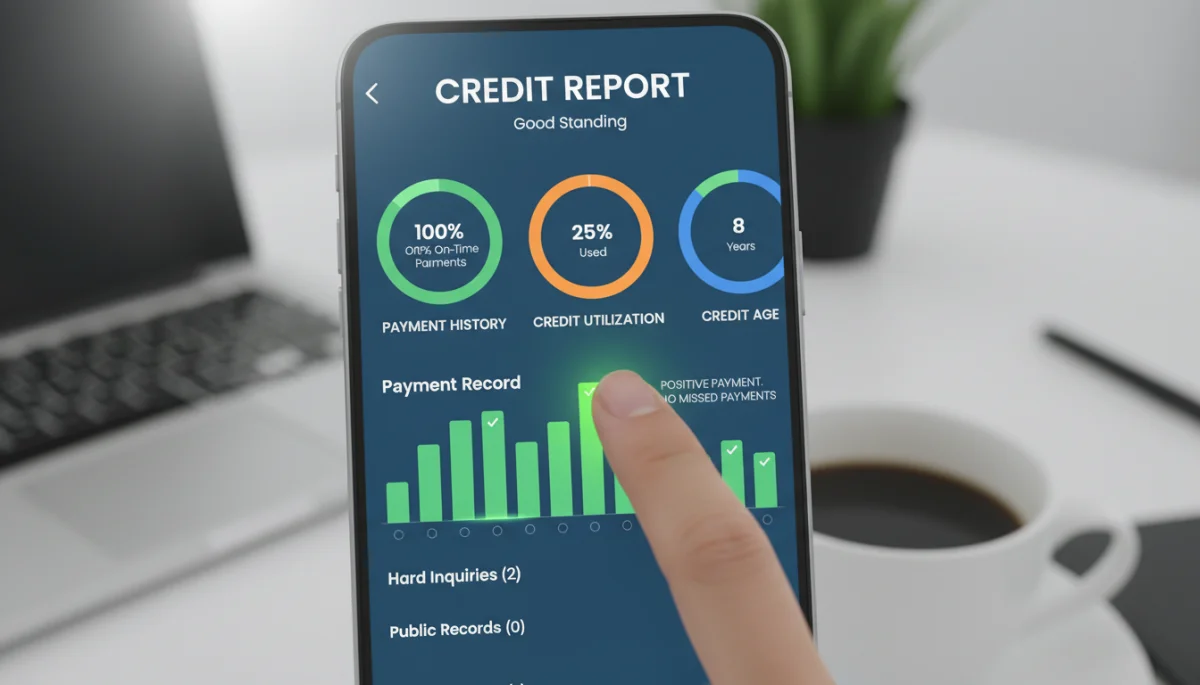
There are several practical strategies you can employ to quickly lower your credit utilization. These methods can be implemented almost immediately and often show results on your credit report within one to two billing cycles.
Strategies to reduce utilization
- Pay down balances: Focus on paying down the balances on your credit cards, especially those with the highest utilization. Even making multiple payments throughout the month can help, as your credit utilization is often reported based on your balance on the statement closing date.
- Request a credit limit increase: If you have a good payment history with a particular card issuer, you might request a credit limit increase. This increases your total available credit without adding new debt, thereby lowering your utilization ratio. Be cautious, as some limit increase requests can trigger a hard inquiry.
- Avoid new credit card applications: While increasing your total credit limit is good, opening new credit card accounts can lead to hard inquiries and temporarily reduce the average age of your accounts, which might slightly offset the benefits of increased limits.
Monitoring your credit utilization regularly is key. Most credit card companies provide tools to track your spending and available credit. By actively managing your balances and consciously keeping them low, you can significantly impact your FICO score within the 120-day timeframe.
Managing new credit and credit inquiries
New credit and credit inquiries make up 10% of your FICO score. While it’s a smaller percentage compared to payment history and amounts owed, it’s still an important factor, especially when you’re aiming for quick FICO score improvement. Each time you apply for new credit, a hard inquiry is typically placed on your credit report, which can cause a slight, temporary dip in your score.
During your 120-day credit improvement sprint, it’s advisable to minimize applications for new credit. This includes new credit cards, personal loans, or even store credit accounts. While a single hard inquiry might only reduce your score by a few points, multiple inquiries in a short period can signal to lenders that you might be a higher risk, especially if you’re denied for some of those applications.
Understanding hard vs. soft inquiries
Not all inquiries are created equal. It’s important to differentiate between hard and soft inquiries:
- Hard inquiries: These occur when you apply for new credit and a lender checks your credit report. They typically stay on your report for two years, though their impact on your FICO score usually fades after a few months.
- Soft inquiries: These happen when you check your own credit report, or when lenders pre-approve you for offers. Soft inquiries do not affect your FICO score and are not visible to other lenders.
Focus on maintaining your existing credit accounts in good standing rather than seeking out new ones. If you absolutely need new credit, research thoroughly and only apply for accounts you are confident you will be approved for. Spreading out applications over a longer period can also help mitigate the impact of inquiries.
By being mindful of how often you apply for new credit and understanding the difference between hard and soft inquiries, you can protect your FICO score from unnecessary dips during your 120-day improvement plan. This disciplined approach ensures that your efforts in other areas are not undermined by excessive credit applications.
Leveraging credit history length and credit mix
The length of your credit history and your credit mix each contribute 15% and 10% respectively to your FICO score. While these factors are generally slower to impact than payment history or credit utilization, there are still strategies you can employ within 120 days to optimize them, especially regarding existing accounts.
For credit history length, the primary advice is to keep your oldest accounts open and active, even if you don’t use them frequently. Closing old accounts, especially those with a long history of good payments, can shorten your average account age and negatively impact your score. If you have an old credit card you no longer use, consider making a small, occasional purchase and paying it off immediately to keep it active.
Diversifying your credit mix responsibly
A healthy credit mix shows lenders that you can responsibly manage different types of credit. This typically includes a combination of revolving credit (like credit cards) and installment loans (such as mortgages, auto loans, or personal loans). If your credit profile is heavily skewed towards one type, strategically adding another can be beneficial.
- Secured credit cards: If you primarily have installment loans, a secured credit card can help introduce revolving credit into your mix. These cards require a deposit but report to credit bureaus, building a positive payment history.
- Small personal loans: For those with only credit cards, a small personal loan, paid off diligently over a short term, can demonstrate responsible installment loan management.
- Authorized user status: Becoming an authorized user on a trusted family member’s credit card with a long, positive history can also indirectly boost your credit history length and potentially improve your credit mix, provided the primary account holder maintains good credit habits.
It’s important to approach these strategies cautiously. Only take on new credit if you are certain you can manage the payments responsibly. The goal is to diversify your credit responsibly, not to accumulate debt. By thoughtfully adjusting your credit mix and preserving your oldest accounts, you can positively influence these FICO score components over time, contributing to your 50-point boost.
Monitoring and disputing credit report errors
Even with perfect financial habits, errors on your credit report can unjustly depress your FICO score. Regularly monitoring your credit reports from all three major bureaus (Experian, Equifax, and TransUnion) is a critical step in your 120-day improvement plan. Identifying and disputing inaccuracies can lead to immediate score improvements once the errors are removed.
You are entitled to a free copy of your credit report from each of the three major credit bureaus once every 12 months through AnnualCreditReport.com. It’s wise to stagger these requests, perhaps pulling one every four months, to maintain continuous oversight. When reviewing your reports, look for discrepancies such as incorrect personal information, accounts you don’t recognize, incorrect payment statuses, or duplicated debts.
Steps for disputing errors effectively
Once an error is identified, prompt action is necessary. The Fair Credit Reporting Act (FCRA) mandates that credit bureaus investigate disputes and correct or remove inaccurate information within a reasonable timeframe, typically 30 days. This makes disputing errors a potentially fast track to FICO score improvement.
- Gather evidence: Collect any documents that support your claim, such as payment confirmations, bank statements, or copies of contracts.
- Contact the credit bureau: File a dispute directly with the credit bureau that reported the error. Most bureaus offer online dispute processes, but you can also send a dispute letter via certified mail for a paper trail.
- Contact the data furnisher: Simultaneously, it’s often beneficial to dispute the error with the company that reported the information (the data furnisher, such as a bank or credit card company).
- Follow up: Keep detailed records of your correspondence and follow up if you don’t receive a resolution within the expected timeframe.
Successfully removing negative, inaccurate information from your credit report can sometimes result in a significant jump in your FICO score. This proactive monitoring and disputing process is an essential, often overlooked, strategy for achieving your 50-point credit boost within 120 days, ensuring your score accurately reflects your financial responsibility.
| Key Action | Impact on FICO Score |
|---|---|
| On-time Payments | Highest impact, crucial for sustained growth (35%). |
| Lower Credit Utilization | Significant and quick improvement, aim below 30% (30%). |
| Dispute Credit Report Errors | Can lead to immediate score boosts if inaccuracies are removed. |
| Limit New Credit Inquiries | Prevents temporary score dips from hard inquiries (10%). |
Frequently asked questions about FICO score improvement
While some changes, like disputing errors, can be relatively quick (within 30-45 days), most significant improvements from paying down debt or making on-time payments typically manifest within one to two billing cycles, or roughly 30-60 days.
To optimize credit utilization, focus on paying down cards with high utilization ratios first, regardless of the absolute balance size. Reducing the percentage of credit used on any card can positively impact your score more effectively.
Yes, being an authorized user on an account with a long, positive payment history and low utilization can help your FICO score, especially if you have a thin credit file. Ensure the primary account holder is financially responsible.
Generally, no. Closing old accounts can reduce your total available credit, increasing your credit utilization ratio, and shorten your average length of credit history, both of which can negatively impact your FICO score.
While keeping your credit utilization below 30% is a good general guideline, for optimal FICO score improvement, aiming for 10% or even lower across all your revolving credit accounts is highly recommended by financial experts.
Conclusion
Achieving a 50-point boost in your FICO score within 120 days is an ambitious yet entirely attainable goal with the right strategies and consistent effort. By prioritizing on-time payments, meticulously managing your credit utilization, judiciously handling new credit inquiries, and diligently monitoring your credit reports for errors, you lay a solid foundation for financial improvement. Remember, credit health is a journey, not a destination, and these focused actions will not only enhance your score in the short term but also cultivate habits for enduring financial well-being in 2026 and beyond. Take control of your credit today and unlock a future of better financial opportunities.
